

You’ve just returned home from a relaxing trip, ready to unwind — until you check your bank statement and spot a hold or unexpected charge from the hotel. Sound familiar? You’re not alone. Hotel incidental charges catch countless travelers off guard every year, not because hotels are trying to trick you, but simply because most guests don’t know what they are or how they work. In plain terms, incidental charges are a pre-authorized hold placed on your payment card to cover any potential extra expenses during your stay — think room damage, minibar snacks, or room service. Understanding this practice can save you from unnecessary stress, help you budget smarter, and ensure you’re never caught off guard at the front desk again. In this guide, we’ll break down everything you need to know about hotel incidental charges — from what they cover to how long holds last and how to dispute errors.
What Are Hotel Incidental Charges?
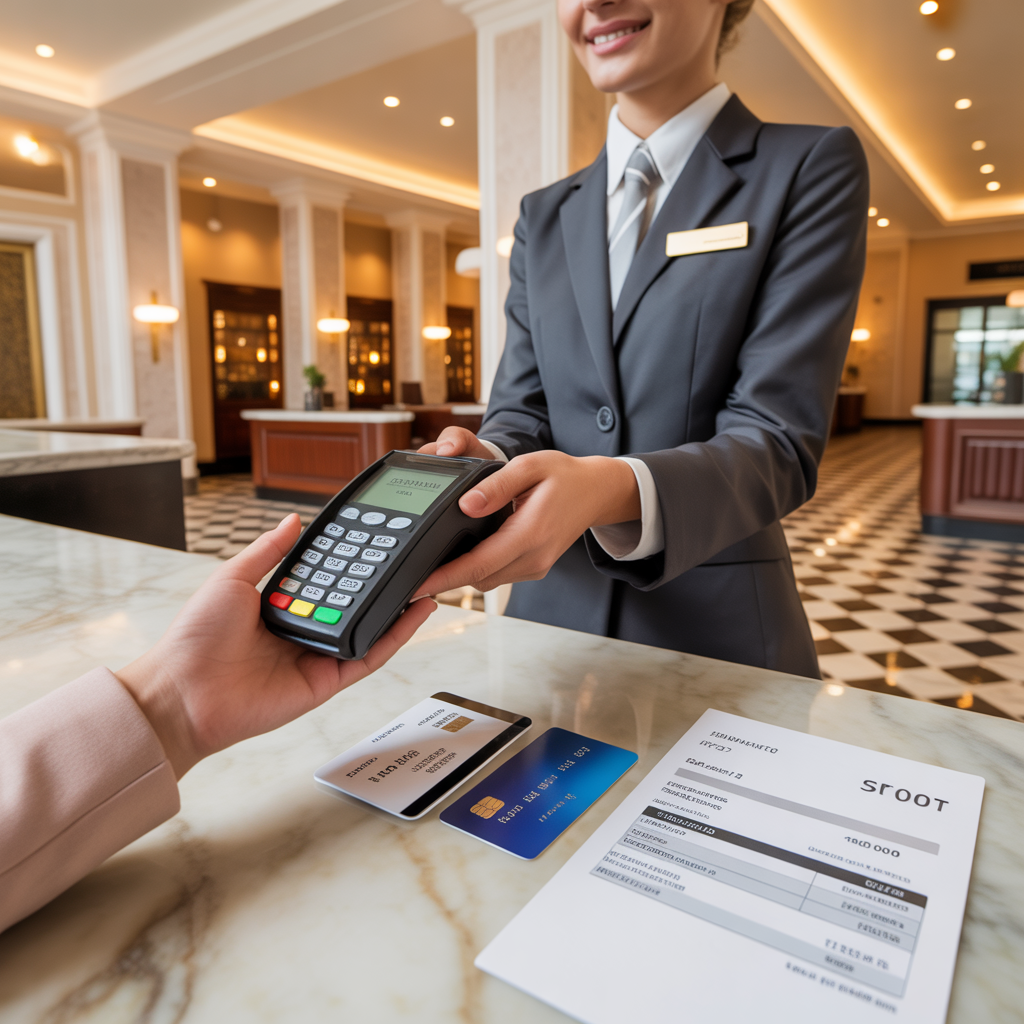
Hotel incidental charges are a pre-authorization hold — not an actual charge — placed on your credit or debit card at check-in to cover any additional costs you might incur during your stay beyond the room rate you’ve already paid. Think of it as a security deposit that sits quietly in the background, only becoming a real charge if you use extra services or cause damage.
Hotels collect incidentals as a form of financial protection. If a guest orders room service at midnight, raids the minibar, or accidentally breaks the TV, the hotel needs assurance that those costs can be recovered. Without this system, properties would have limited recourse when guests leave without settling extra bills.
It’s important to distinguish incidental charges from your room rate. Your room rate is what you paid for accommodation — either upfront online or at the property. Incidental charges are entirely separate and are only triggered if you use chargeable services or violate hotel policies.
You may also hear these referred to as “incidentals,” a “security deposit,” or an “authorization hold.” While the terminology varies between hotels, they all describe the same basic concept.
What Do Hotel Incidental Charges Cover?
The list of what incidentals can cover is broader than most travelers expect. Here’s a breakdown of the most common categories:
- Room damage: Broken furniture, stained linens, holes in walls, or any damage beyond normal wear and tear.
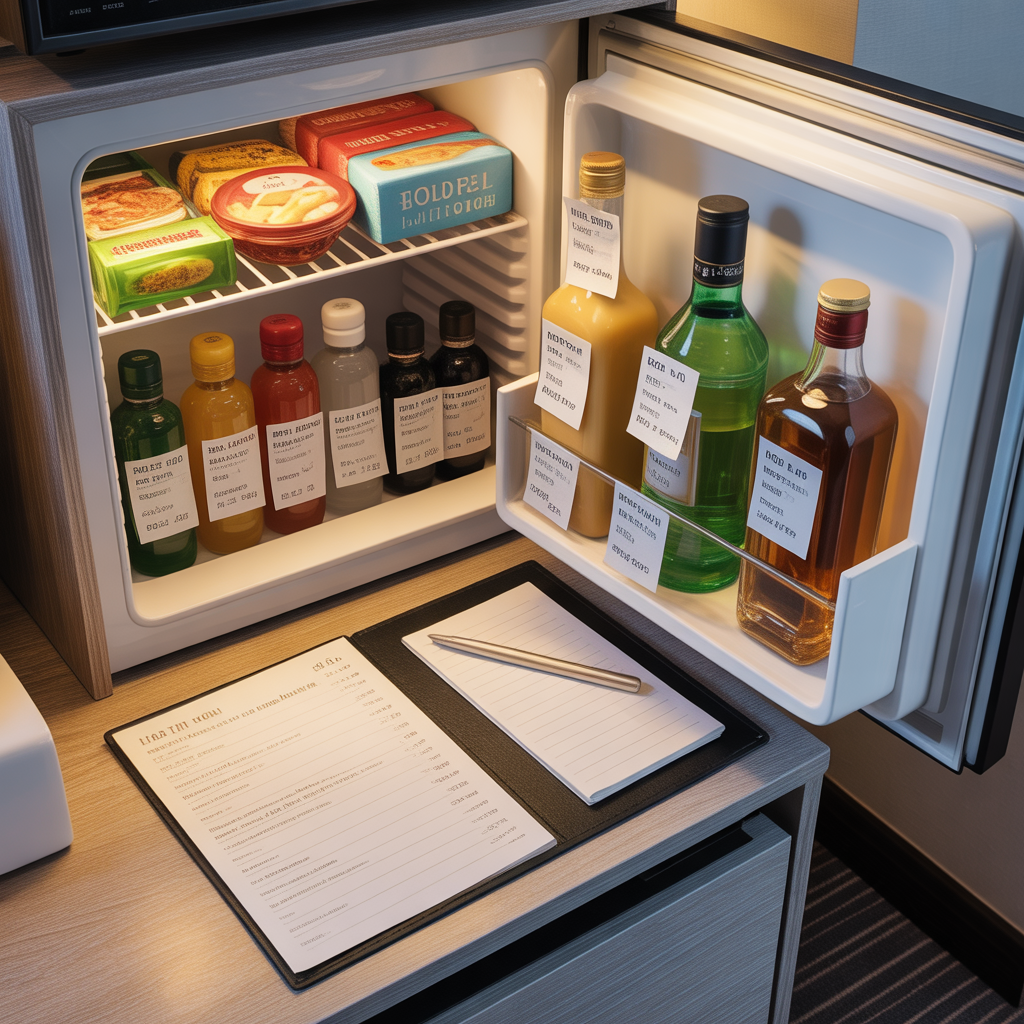
- Minibar and in-room dining: Those tempting snacks and drinks stocked in your room aren’t free — each item is logged and charged accordingly.
- Room service orders: Food and beverage orders delivered to your room are tracked against your incidental hold.
- Phone calls: Calls made from the in-room telephone, particularly international ones, can add up quickly.
- Parking fees: If you didn’t pre-pay for parking, charges are added to your incidental account.
- Pay-per-view or streaming services: In-room entertainment purchased during your stay falls under incidentals.
- Spa, gym, or resort amenity fees: Some properties charge for access to certain facilities or for treatments booked on-site.
- Smoking penalties: Lighting up in a non-smoking room can result in deep-cleaning fees that can range from $200 to $500 or more.
- Pet fees: If you bring a pet and it wasn’t declared at booking, or if additional cleaning is required, fees apply.
- Lost key cards or accessories: Replacement costs for room keys, remote controls, or other in-room items may be deducted from your hold.
How Do Hotel Incidental Charges Work? A Step-by-Step Breakdown
Understanding the process from start to finish removes all the mystery around incidental charges. Here’s exactly what happens:
- At Check-In: The front desk agent asks for a credit or debit card to place on file. Even if you’ve prepaid your room, the hotel will still request a card for incidentals.
- The Hold Is Placed: A pre-authorization hold is applied to your card. This temporarily reduces your available balance but is not an actual deduction from your account.
- During Your Stay: Any incidental services you use — room service, minibar, parking — are tracked and logged by the hotel’s billing system.
- At Check-Out: The hotel reconciles what you’ve actually used. If you ordered room service twice and had a few minibar items, those amounts are confirmed. The hold is adjusted to reflect the real total, or released entirely if you used nothing extra.
- After Check-Out: Any remaining portion of the hold that exceeds your final bill is released back to your card. However, this doesn’t happen instantly — the timeline depends on both the hotel and your bank.
How Much Are Incidental Holds Typically?
The amount hotels place as an incidental hold varies significantly based on several factors. As a general guideline, expect holds ranging from $50 to $200+ per night. Here’s how different factors influence the amount:
- Hotel star rating: A budget motel might place a $50 total hold, while a luxury five-star resort could hold $200–$500 per night.
- Length of stay: Many hotels calculate the hold based on the number of nights. A 5-night stay at $100/night incidental rate means a $500 hold on your card.
- Location: Hotels in major cities or high-cost tourist destinations tend to place higher holds.
- Hotel policy: Each property sets its own incidental hold amount, so there’s no industry-wide standard.
For example, a budget hotel near an airport might hold just $75 for a one-night stay, while a beachfront resort could place a $300-per-night hold that, over a week-long vacation, temporarily freezes $2,100 of your available credit.
Credit Card vs. Debit Card for Incidentals — What’s the Difference?
This distinction matters more than most travelers realize. Hotels strongly prefer credit cards for incidental holds, and there’s a very good reason for that — and for you.
When a hold is placed on a credit card, it simply reduces your available credit limit. Your actual bank balance is untouched, and you don’t risk overdrafting your account. Once the hold is released, your available credit returns to normal.
When a hold is placed on a debit card, it’s a different story. The funds are essentially frozen in your checking account. If the hotel holds $300 and you only have $400 in your account, you’re left with just $100 to spend during your entire trip. This can cause real financial strain, especially for budget travelers.
Tips for travelers using debit cards:
- Ensure you have enough buffer in your account to cover both daily expenses and the hold amount.
- Ask the hotel upfront how much the hold will be before check-in.
- Inquire whether the property accepts a cash deposit as an alternative.
If you don’t have a credit card, some hotels will accept a cash deposit, though this is becoming less common. Prepaid debit cards are sometimes accepted, but hotel policies vary, so always confirm before arrival.
Will You Always Be Charged? Myth vs. Reality
Here’s the good news that many travelers don’t realize: most people never pay incidental charges. The hold is simply released after check-out with no actual deduction from your account.
You will only be charged if you:
- Used chargeable in-room services (minibar, room service, pay-per-view)
- Caused damage to the room or hotel property
- Violated hotel policies (smoking, unauthorized pets)
- Lost or damaged hotel items (key cards, remote controls)
If you stayed in your room, used none of the extras, and left the room in the same condition you found it, the hold will simply disappear from your statement within a few business days. Think of incidentals less as a fee and more as a precautionary system that protects both guests and hotels.
How Long Does It Take for the Hold to Be Released?
Once you check out, the hotel’s system will flag the hold for release. However, the actual timeline depends on two parties: the hotel and your bank or card issuer.
- Typical release window: 1–7 business days for credit cards; up to 7–14 business days for debit cards.
- Credit cards: Generally release faster since no actual funds are moved — it’s purely a credit limit adjustment.
- Debit cards: Take longer because actual funds are involved, and banks process these differently.
If the hold hasn’t been released after the expected timeframe, here’s what to do:
- Contact the hotel’s billing department and request confirmation that the hold was released on their end.
- Call your bank or card issuer and provide the hotel’s confirmation. They can often expedite the release.
- Keep a record of all correspondence in case you need to escalate further.
Tips to Avoid Unexpected Incidental Charges
A little preparation goes a long way. These practical tips will help you stay in control of your hotel billing:
- Ask before you book: Inquire about the incidental hold policy when making your reservation — know the exact amount upfront.
- Use a credit card: Whenever possible, use a credit card for incidentals to protect your liquid cash flow.
- Document the room at check-in: Take photos or a short video of the room’s condition immediately after arrival. This protects you against false damage claims.
- Keep receipts: Hold onto any receipts for in-room purchases so you can cross-reference them with your final bill.
- Avoid the minibar: If you’re budget-conscious, simply don’t touch it. Minibar items are typically marked up significantly.
- Clarify resort fees: Some properties charge separate “resort fees” for amenities like the pool, gym, or Wi-Fi. These are different from incidentals and should be disclosed at booking.
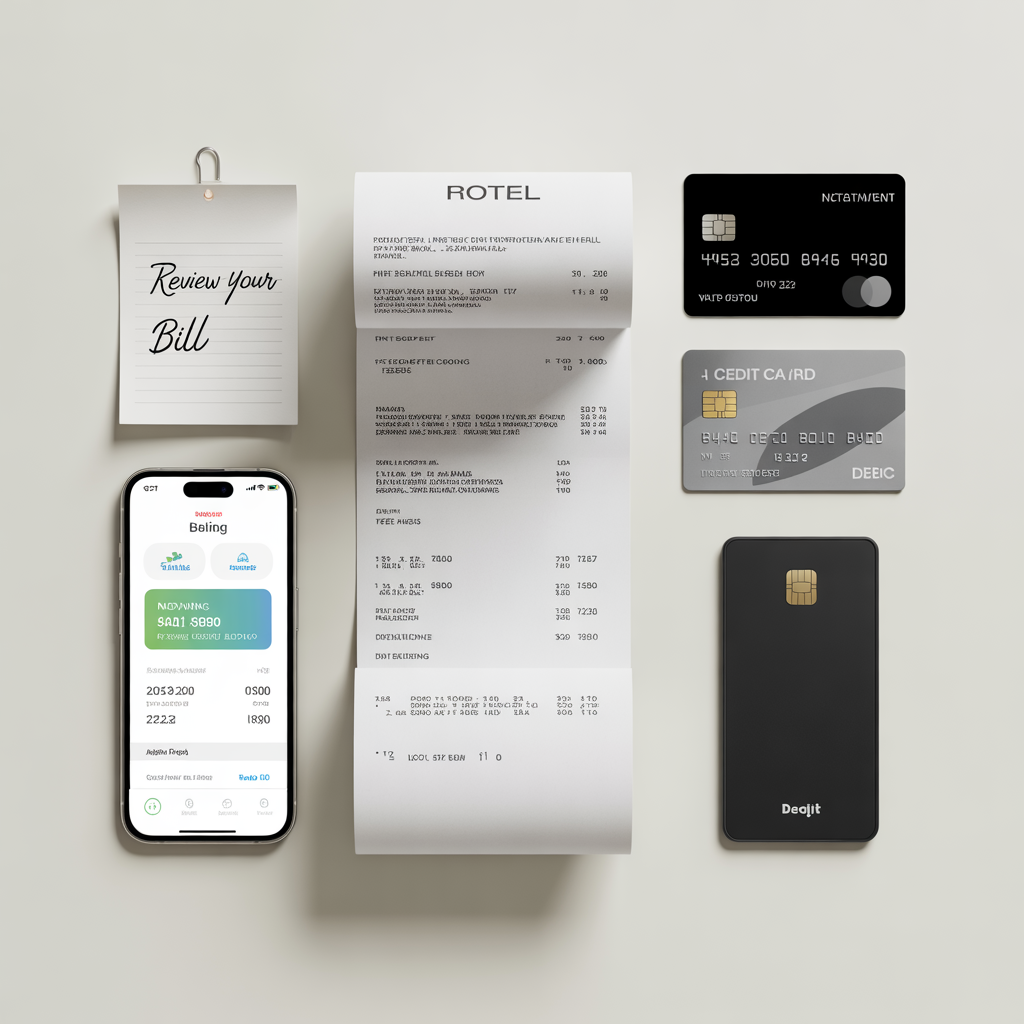
- Review your bill before leaving: Always ask for a detailed invoice at check-out and review every line item before signing off.
What to Do If You’re Incorrectly Charged
Mistakes happen. If you notice a charge on your statement that you believe is incorrect, here’s how to handle it effectively:
- Contact the hotel directly: Start with the front desk or billing department. Most errors are resolved quickly at this level. Be polite but firm, and reference specific dates and charges.
- Provide evidence: Share photos of the room taken at check-in, receipts for services you did or didn’t use, and any written confirmations from staff.
- Escalate to hotel management: If the front desk can’t resolve the issue, ask to speak with the general manager or guest relations team.
- Dispute with your card issuer: As a last resort, contact your credit card company or bank to initiate a formal dispute (chargeback). Document every step of your previous attempts to resolve the matter with the hotel.
Most disputes are resolved within 30–60 days when proper documentation is provided. The key is to act promptly — don’t wait weeks after noticing an error to raise the issue.
Frequently Asked Questions About Hotel Incidental Charges
Do all hotels charge incidentals?
Most hotels — from budget chains to luxury resorts — require an incidental hold. However, some budget properties or motels may not, so it’s always worth asking before your arrival.
Can I get the incidental hold waived?
In rare cases, yes. Loyalty program members with elite status, long-term guests, or those with a strong booking history may be able to negotiate a waiver. It never hurts to ask politely at check-in.
Do incidental charges affect my credit score?
No. Pre-authorization holds are not reported to credit bureaus and do not impact your credit score. They simply reduce your available credit temporarily.
What if I’m paying with cash?
Some hotels accept cash deposits in lieu of a card hold. The amount required is usually higher (since the hotel has less recourse for recovery), and the refund process for cash takes longer and must be done in person at check-out.
Are incidental charges the same as resort fees?
No. Resort fees are mandatory, pre-disclosed fees for property amenities (pool, Wi-Fi, fitness center) and are charged regardless of usage. Incidental holds are precautionary and only become real charges if you use extra services or cause damage.
Do Airbnb or vacation rentals have incidental charges?
Some do. Many short-term rental platforms and hosts collect a security deposit that functions similarly to hotel incidentals, covering potential damage or extra cleaning. The terms vary by host and platform, so always read the listing carefully before booking.
Final Thoughts
Hotel incidental charges are a completely standard and legitimate part of the hospitality industry — not a scam, not a hidden fee scheme, and certainly nothing to fear. Once you understand how they work, you’re in a much stronger position to plan your budget accurately, protect yourself from false charges, and navigate the check-in and check-out process with total confidence.
The golden rule? Always ask, always document, and always review your bill. A quick photo of the room at check-in and a two-minute review of your invoice at check-out can save you from headaches that last weeks after your trip ends.
For more practical travel tips, hotel guides, and destination inspiration, explore the full Travel section at RoomNetic.com — your trusted companion for smarter, stress-free travel.