

There comes a moment in every backpacker’s journey — you’re lying awake at 2 a.m., listening to a stranger snore six inches from your face, with a headlamp flickering somewhere in the darkness and someone else rustling a plastic bag for what feels like the fifteenth time. And you think: maybe it’s time. Maybe a private room, a real pillow, and a bathroom that doesn’t require flip-flops is worth reconsidering. If you’ve had that thought, you’re not alone — and you’re definitely not betraying your backpacker roots. Transitioning from hostels to hotels is less of a surrender and more of an evolution. It means you’re traveling smarter, not softer. This guide is for every budget-conscious adventurer who’s starting to wonder whether the upgrade is worth it — and how to make it happen without blowing your entire travel fund.

Why Backpackers Start Considering the Switch
The hostel lifestyle is genuinely wonderful — cheap, social, and full of spontaneous connections. But there are very real, very legitimate reasons why even the most hardcore backpackers eventually start browsing hotel options.
Physical Exhaustion from Shared Dorms
Sleep deprivation is no joke, especially on long trips. Dorm rooms are notoriously disruptive — late-night arrivals, early-morning departures, inconsistent air conditioning, and the ever-present symphony of snoring. After weeks or months on the road, your body starts to demand better rest. Chronic poor sleep affects your mood, your immune system, and ultimately your enjoyment of travel itself.
Shifting Travel Priorities
Travel goals change over time. A couple planning a romantic weekend away doesn’t need a 10-bed mixed dorm. A digital nomad needs reliable Wi-Fi and a desk, not a communal laptop corner. Someone recovering from an illness needs quiet and cleanliness, not a shared bathroom used by twenty people. These are all completely valid reasons to consider a hotel stay.
Age and Lifestyle Changes
There’s no shame in admitting that your body doesn’t bounce back the way it did at 22. Many travelers in their late 20s and 30s find that the dorm experience becomes increasingly uncomfortable — not because they’ve become “boring,” but because their physical and psychological needs have evolved. This is a natural part of growing as a traveler.
Special Occasions and Bleisure Travel
Anniversaries, birthdays, honeymoons — some moments call for a little more romance than a bunk bed can offer. Similarly, the rise of “bleisure” travel (blending business with leisure) often requires a hotel setting: reliable Wi-Fi, a proper workspace, early check-ins, and professional amenities that most hostels simply can’t provide.
Safety Concerns
In certain destinations, particularly those with higher petty crime rates or less regulated hostel standards, a hotel with 24-hour reception, key card access, and secure in-room storage offers significantly better peace of mind — especially for solo female travelers or those carrying expensive work equipment.
Understanding the Real Differences: Hostels vs. Hotels
Cost Breakdown
The price gap between hostels and hotels is real — but it’s often smaller than backpackers expect, especially when you account for hidden costs on both sides.
On average, a dorm bed in Southeast Asia runs between $5–$15 per night, while Europe ranges from $20–$45. A budget private hotel room in the same regions typically runs $25–$60 and $60–$120 respectively. That’s a gap — but not always an enormous one.
What many backpackers overlook are the hidden costs of hostels: locker rentals ($1–$3/day), towel hire ($2–$5), linen fees, breakfast add-ons, and activity commissions. On the hotel side, watch for resort fees (common in the US), paid parking, Wi-Fi charges (increasingly rare, but still present in older properties), and minibar temptations. When you tally all these up, a well-chosen budget hotel room can sometimes cost only marginally more than a hostel night — with significantly more comfort.
Amenities and Comfort
The difference in amenities is where hotels genuinely shine. An ensuite bathroom alone is a luxury that any dorm veteran will appreciate after their first hostel-free morning. Add to that climate-controlled rooms, quality bedding, lockable doors, adequate storage for your gear, and the simple pleasure of not waiting in line for a shower — and it’s easy to see why the switch appeals.
Privacy and personal space have real psychological value. Being able to unpack your bag, leave things out, and simply exist without managing other people’s schedules is deeply restorative during long trips.
Social Experience
This is the big trade-off that backpackers worry about most. And it’s a valid concern — hostels are social ecosystems. Common rooms, group dinners, pub crawls, and travel-tip exchanges make hostels genuinely irreplaceable for solo travelers looking to connect.
Hotels, by design, are more private and less communal. But this doesn’t mean your social life has to disappear. Staying in local independent hotels puts you in neighborhoods where you’ll interact with locals. Hotel bars, rooftop terraces, and hotel-hosted events can still generate connections. And increasingly, many boutique budget hotels are incorporating social spaces into their designs, blurring the line between hostel and hotel experiences.
Location Considerations
Hostels tend to cluster in well-worn backpacker zones — often vibrant, central, and affordable, but sometimes removed from where you actually want to be. Hotels offer far more geographic flexibility: city center locations, airport proximity for early flights, beach resorts, or quiet residential neighborhoods. This location freedom is an underrated advantage when planning itineraries with precision.
How to Find Budget-Friendly Hotels Without Feeling Like You’re Overpaying
Booking Strategies That Work
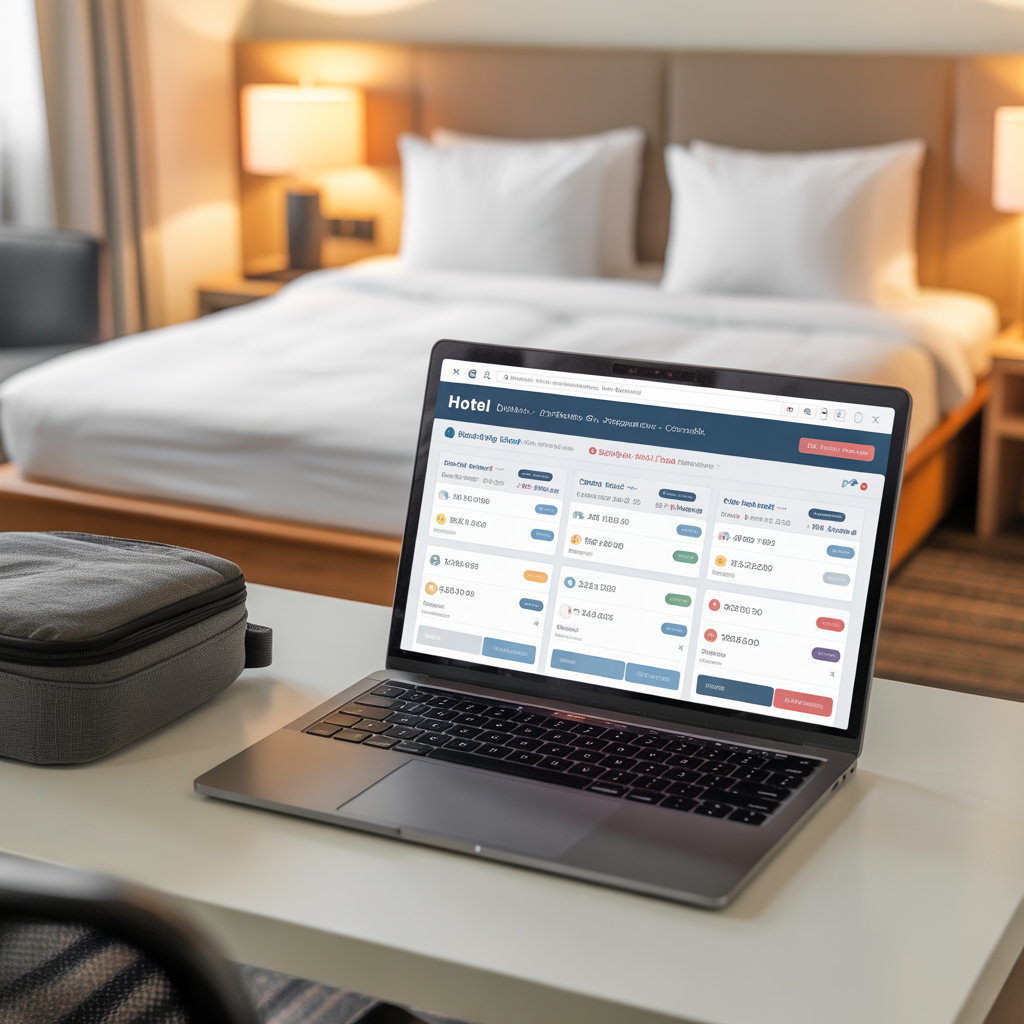
The good news is that finding cheap hotels has never been easier, thanks to a robust ecosystem of comparison tools and booking platforms.
- Booking.com — Huge inventory, flexible cancellation filters, and Genius loyalty discounts make this a first stop for most travelers.
- Agoda — Particularly strong in Asia, with competitive rates and frequent flash deals.
- Hotels.com — Their “collect 10 nights, get 1 free” program adds up quickly for frequent hotel guests.
- Google Hotels — Excellent for price comparison across platforms before committing to a booking.
As for timing: booking 2–4 weeks in advance typically yields the best rates in most destinations. Last-minute deals work brilliantly in low-season or in cities with high hotel density — but they’re risky in popular destinations during peak travel periods. Set price alerts on Google Hotels or Hopper to track rate fluctuations before committing.
Even as an occasional hotel guest, it’s worth joining loyalty programs. Marriott Bonvoy, IHG One Rewards, and Hilton Honors all offer free membership with genuine perks — free Wi-Fi, late checkout, room upgrades — that accumulate faster than you might expect.
Types of Budget Hotels Worth Knowing
- Boutique budget hotels — Independently owned, characterful, and often competitively priced. These frequently offer a more authentic experience than international chains.
- Guesthouses and B&Bs — The natural middle ground between hostels and hotels. Smaller, more personal, often family-run, and sometimes including breakfast. Excellent value in rural or less-touristed areas.
- Aparthotels and serviced apartments — Game-changers for stays of 5+ nights. Having a kitchen dramatically reduces food costs, and larger living spaces make longer stays genuinely comfortable.
- Motel-style accommodations — Ideal for road trip destinations where location flexibility matters more than luxury. No-frills, straightforward, and often well-priced.
- 3-star hotels — The sweet spot for budget-conscious travelers upgrading from hostels. Consistent standards, ensuite bathrooms, air conditioning, and generally reliable Wi-Fi without the price tag of 4 or 5-star properties.
Timing and Seasonal Tips
Shoulder season — the period just before or after peak tourist season — is the budget traveler’s best friend. You get lower prices, fewer crowds, and often better weather than the absolute height of summer or winter peaks. Midweek rates (Tuesday through Thursday) are consistently lower than weekends in most leisure destinations. And it’s worth noting holiday blackout periods: booking hotels during Christmas, New Year, Chinese New Year, or major local festivals often means paying 2–3x standard rates with reduced quality standards.
What to Look for When Booking Your First Hotel as a Former Backpacker
Backpackers have a finely tuned instinct for value — and that instinct serves you well when booking hotels, as long as you know where to focus your attention.
When reading reviews, filter for comments from solo travelers and budget-conscious guests. They’ll flag things that matter to you: noise levels, cleanliness, hidden charges, and actual Wi-Fi speeds — not whether the pool was heated. Look for recent reviews (within the last 6 months) and pay more attention to the 3-star reviews than the 5-star or 1-star extremes, as these tend to be the most balanced and truthful.
Key boxes to check before confirming a booking:
- Free breakfast included? This can save $10–$20 per day, making a slightly pricier hotel genuinely better value overall.
- Free cancellation policy? Always prioritize free cancellation when rates are similar — flexibility is worth real money, especially on long trips with evolving plans.
- Free Wi-Fi? Confirmed, in-room, with a reliable connection — not just lobby access.
- Room type clarity: Understand the difference between a single room (one small bed), double (one larger bed), and twin (two separate beds). Getting this wrong is a surprisingly common and frustrating mistake.
- Neighborhood safety and walkability: Use Google Street View to scout the area around the hotel. A cheap room in an inconvenient or unsafe neighborhood costs more in the long run.
- Public transport proximity: Near a metro station, bus stop, or tram line? This keeps you budget-conscious even while staying in hotels.
Adjusting Your Mindset and Travel Style
Budgeting for the Upgrade
The math of hotel travel isn’t as scary as it seems — it’s simply a matter of rebalancing your budget across categories. Staying in a hotel doesn’t automatically mean spending more overall; it often means spending differently. Cook more meals, travel more slowly (fewer transport costs), skip one splurge activity per week, and choose destinations where hotel prices are genuinely low. Many travelers find that switching from hostels to hotels has minimal impact on their total daily spend when they approach it thoughtfully.
A practical strategy for mixed-accommodation trips is the “one hotel night per week” model — use hostels as your base for social, high-energy legs of your journey and book a hotel night once a week as a recovery and reset. This keeps costs manageable while giving your body and mind the break they need.
Keeping the Backpacker Spirit Alive
The backpacker identity was never really about the bed you sleep in — it was about curiosity, openness, resourcefulness, and authentic engagement with the world. None of those qualities disappear when you check into a hotel.
Stay in local, family-run hotels rather than international chains. Eat at local markets and street food stalls regardless of where you sleep. Take public transit. Strike up conversations with locals, not just other travelers. Pack light — a hotel room doesn’t need to mean arriving with a full-sized suitcase. The spirit of backpacking is a mindset, and it travels with you wherever you stay.
Managing Expectations
One of the most important adjustments for former backpackers entering the world of budget hotels is recalibrating expectations. A $30-per-night hotel room will not look like an Instagram travel influencer’s suite. Budget properties can have inconsistent air conditioning, dated decor, thin walls, or slow Wi-Fi. The key is understanding that comfort and luxury are not the same thing. A clean, quiet, private room with a hot shower and a working outlet is a genuine upgrade — it just might not be photogenic.
Practical Tips for the Transition
Making the switch from hostels to hotels involves a few small but meaningful practical adjustments that will make your experience smoother from day one.
What to Pack Differently
In a hostel, you pack defensively: padlocks, a towel, flip-flops for showers, a sleep mask, earplugs, and a headlamp are essentials. In a hotel, many of these become redundant. You can leave the padlock at home (room doors lock), skip the flip-flops (private bathrooms), and retire the earplugs (most of the time). What becomes more relevant: a universal power adapter (hotel rooms often have fewer outlets than expected), a small powerstrip, and any skincare or toiletries you prefer over generic hotel supplies.
Tipping Culture
Hotel tipping norms vary significantly by country and culture. In the United States, tipping housekeeping ($2–$5 per night) and bellhops ($1–$2 per bag) is standard. In Europe and most of Asia, tipping is less expected but always appreciated. Concierge staff who go above and beyond a simple recommendation warrant a tip almost universally. When in doubt, observe local customs or do a quick search for tipping etiquette in your specific destination.
Hotel Etiquette Basics
If you’re new to the hotel experience, a few etiquette basics go a long way:
- Use the Do Not Disturb sign when you need uninterrupted rest — housekeeping will not disturb you.
- Communicate with the front desk proactively: early check-in requests, late checkout needs, and room issues are all best raised promptly rather than after the fact.
- Treat housekeeping staff with respect — they’re often the most invisible yet hardest-working people in any hotel.
- Don’t take items from the room beyond the consumables (shampoo, soap, coffee packets) — bathrobes, hangers, and remote controls are not souvenirs.
Making the Most of Hotel Amenities
Budget hotels often include amenities that backpackers underuse: hotel gyms (great for road-trip recovery), swimming pools, complimentary breakfast spreads, concierge recommendations (often better than generic guidebook advice), and luggage storage for days when your room isn’t ready. These inclusions add real value that doesn’t show up in the nightly rate — so use them.
The Hybrid Approach: Best of Both Worlds
For most travelers in transition, the smartest approach isn’t choosing between hostels and hotels — it’s using both strategically within the same trip. Think of it as a portfolio approach to accommodation.
Use hostels for social legs of your journey: new cities where you want to meet fellow travelers, destinations with vibrant hostel communities, or stretches of the trip where budget is the tightest constraint. Use hotels for recovery and milestone moments: after long travel days, at the start of an intensive sightseeing stretch, for special occasions, or in destinations where the hostel infrastructure is genuinely poor.
Destination-based decisions also make sense. In a city like Bangkok or Lisbon, where hostel culture is rich and the social scene centers on hostel common rooms, a hostel stay makes perfect sense. In a remote coastal town or a city with limited hostel options, a guesthouse or budget hotel might be both cheaper and better positioned.
Finding the right accommodation match — hostel, guesthouse, budget hotel, or boutique property — is exactly what platforms like RoomNetic are designed to help with. Rather than defaulting to the cheapest option or the most recognizable brand, the goal is finding the accommodation that genuinely fits your trip’s needs, your budget, and your travel style at that specific moment.
Conclusion
Transitioning from hostels to hotels isn’t a betrayal of everything backpacking stands for. It’s a recognition that great travel isn’t defined by how little you spend on a bed — it’s defined by how fully you engage with the world around you. The backpacker who chooses a quiet hotel room after three exhausting weeks on the road isn’t selling out; they’re investing in their own wellbeing so they can keep traveling better, longer, and more meaningfully.
Make accommodation choices based on genuine need, not guilt. Some nights call for a dorm bed and new friends around a communal table. Other nights call for a locked door, clean sheets, and eight uninterrupted hours of sleep. Both are valid. Both serve the journey.
Ready to find a budget hotel that fits your backpacker mindset? Explore handpicked accommodation options at RoomNetic.com — where comfort and budget don’t have to be a compromise.
Frequently Asked Questions
Is it worth staying in a hotel instead of a hostel?
It depends on your priorities. Hotels offer privacy, better sleep quality, ensuite bathrooms, and more security — all of which have real value, especially on longer trips. When budget hotels are priced competitively and hidden hostel costs are factored in, the upgrade is often worth it, particularly for travelers who prioritize rest and comfort over social interaction.
At what age do backpackers switch from hostels to hotels?
There’s no universal age, but many travelers start considering the switch in their late 20s to early 30s. The shift is usually triggered by changing physical needs, relationship status, work travel requirements, or simply a growing preference for uninterrupted sleep — rather than any specific birthday.
How do I find cheap hotels as a backpacker?
Use comparison platforms like Google Hotels, Booking.com, and Agoda to compare rates across multiple sources. Travel during shoulder season, book midweek when possible, consider guesthouses and 3-star properties, and join free loyalty programs to unlock member discounts. Setting price alerts also helps you catch deals before they disappear.
Can I still travel on a budget while staying in hotels?
Absolutely. Budget hotels — particularly in Southeast Asia, Eastern Europe, and Latin America — can be remarkably affordable. Offset accommodation costs by cooking more meals, traveling more slowly to reduce transport expenses, and choosing destinations where hotel prices are naturally lower. A balanced, mixed accommodation strategy makes budget hotel travel very achievable.
What is the cheapest type of hotel for budget travelers?
Guesthouses, family-run B&Bs, and motel-style accommodations tend to offer the lowest rates among hotel-style options. Aparthotels become the best value for stays of a week or longer, as kitchen access dramatically reduces daily food costs. In most regions, a basic 2-star or 3-star property hits the sweet spot between affordability and acceptable comfort.
Are guesthouses better than hotels for backpackers?
For many backpackers, yes. Guesthouses are smaller, more personal, often family-operated, and frequently include breakfast. They tend to be less corporate, more locally embedded, and better suited to independent travelers who value authentic interaction. They’re an excellent middle ground between hostel community and hotel privacy.
How do I compare hostel vs. hotel costs accurately?
Don’t compare headline rates alone. Calculate total nightly cost for both options: add locker fees, towel hire, linen charges, and any paid breakfast to the hostel rate. Add resort fees, parking, and Wi-Fi charges to the hotel rate. Then factor in the value of intangibles — sleep quality, security, and privacy — to get a true picture of which option represents better value for your specific needs.