

Solo travel is one of the most liberating experiences a person can have — the freedom to go where you want, when you want, at your own pace. According to a 2023 report by Booking.com, over 70% of travelers have taken or are planning a solo trip, with numbers rising every year. But with that freedom comes a responsibility that group travelers rarely have to shoulder alone: your own safety. And it all starts before you even step on a plane — it starts with choosing the right hotel. For solo travelers, especially those venturing into unfamiliar cities or countries, a hotel isn’t just a place to sleep. It’s your home base, your refuge, and your first line of defense. In this guide, we’ll walk you through everything you need to know about how to choose a safe and secure hotel as a solo traveler — from researching neighborhoods and reading reviews to evaluating security features and recognizing red flags that should send you looking elsewhere.
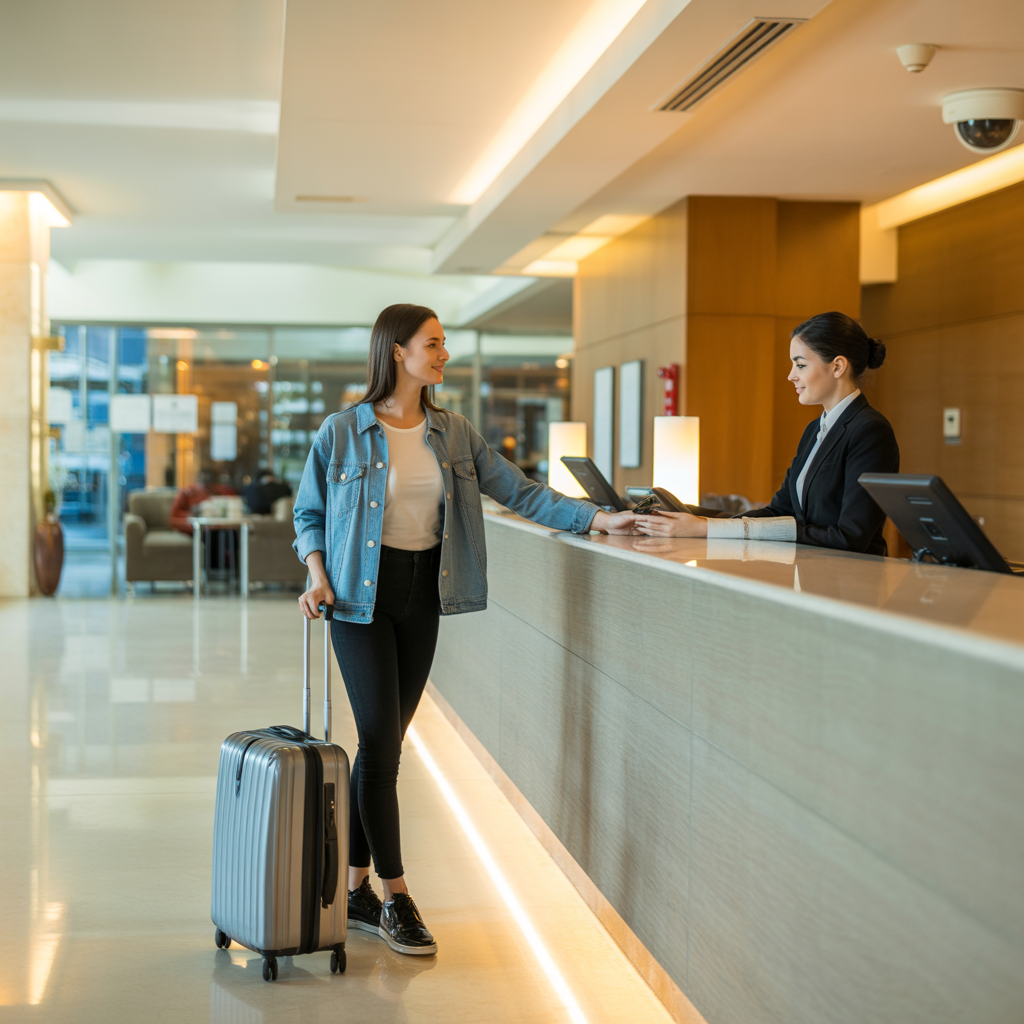
Understanding Your Safety Needs as a Solo Traveler
Traveling alone presents a fundamentally different security landscape than traveling with companions. When you’re part of a group, there’s inherent safety in numbers — someone to watch your bags, someone to notice if you seem unwell, someone to back you up if a situation turns uncomfortable. Solo travelers don’t have that built-in buffer.
The most common safety concerns solo travelers face include:
- Theft — from rooms, common areas, or while distracted at check-in
- Harassment — from other guests or even staff in poorly managed properties
- Unsafe neighborhoods — hotels in high-crime areas or poorly lit surroundings
- Room security vulnerabilities — weak locks, adjoining doors, accessible windows
It’s also worth acknowledging that safety priorities can differ depending on the traveler. Solo female travelers often face a heightened risk of harassment and need to pay closer attention to hotel policies around visitor access and staff professionalism. Solo male travelers, while statistically less targeted for harassment, are frequently targeted for theft and street crime. Understanding which risks are most relevant to your situation allows you to prioritize accordingly when evaluating hotel options.
Researching the Hotel’s Location Before Booking
The neighborhood your hotel sits in is just as important as the hotel itself. A beautifully rated property in a dangerous area is still a dangerous choice. Here’s how to do your location research effectively:
Use Google Maps Street View
Before booking, plug the hotel address into Google Maps and switch to Street View. Walk the virtual streets around it. Look for signs of neglect, poor lighting, or an absence of activity (or conversely, chaotic activity late at night). Check what businesses are nearby — are there reputable shops, restaurants, and public institutions? Or are there abandoned buildings and shuttered storefronts?
Check Crime Statistics
Many cities publish neighborhood crime statistics online. In the U.S., sites like CrimeMapping.com or the FBI’s Uniform Crime Reporting tool are invaluable. The UK’s Police.uk crime map is similarly useful. For international destinations, check travel advisories from official government sources (more on those later).
Read Travel Forums for Firsthand Accounts
TripAdvisor’s forum sections and Reddit’s r/solotravel community are goldmines of real traveler experience. Search the hotel name or neighborhood and read what people actually say — not just the star ratings, but the stories behind them.
Look for Proximity to Safe Zones
Ideally, your hotel should be reasonably close to hospitals, police stations, and reliable transportation hubs. These aren’t just conveniences — they’re lifelines in an emergency.
Red Flags to Avoid
- Isolated areas with little foot traffic, especially at night
- Poorly lit or unmonitored streets surrounding the property
- Zip codes or districts with recent travel warnings or high crime rates
- Properties located in industrial zones far from tourist infrastructure
Reading Reviews the Right Way
Star ratings are a starting point, not an endpoint. A hotel with 4 stars can still have serious security issues that don’t show up in an aggregate score. Here’s how to dig deeper:
What to Look for in Guest Reviews
- Mentions of theft — from rooms, safes, or common areas
- References to harassment by staff or other guests
- Comments about front desk responsiveness after hours
- Reviews that specifically mention security cameras, lighting, or lock quality
- Reviews from other solo travelers, especially solo women
Pay special attention to the most recent reviews — safety conditions at a hotel can change quickly with new management or ownership.
Best Platforms for Safety-Focused Reviews
- TripAdvisor — look at the “Solo” and “Business” traveler filter options
- Google Reviews — often less curated and more candid than hotel booking platforms
- Booking.com — only verified guests can leave reviews, which improves reliability
- Hostelworld — ideal for hostel-style accommodations, with detailed safety commentary
How to Spot Fake Reviews
Red flags for manipulated reviews include: a sudden flood of 5-star reviews in a short period, overly generic or promotional-sounding language, and a lack of specific details. Cross-reference reviews across multiple platforms — a hotel with glowing reviews on its own website but poor scores on Google and TripAdvisor is a warning sign.
Key Physical Security Features to Look For
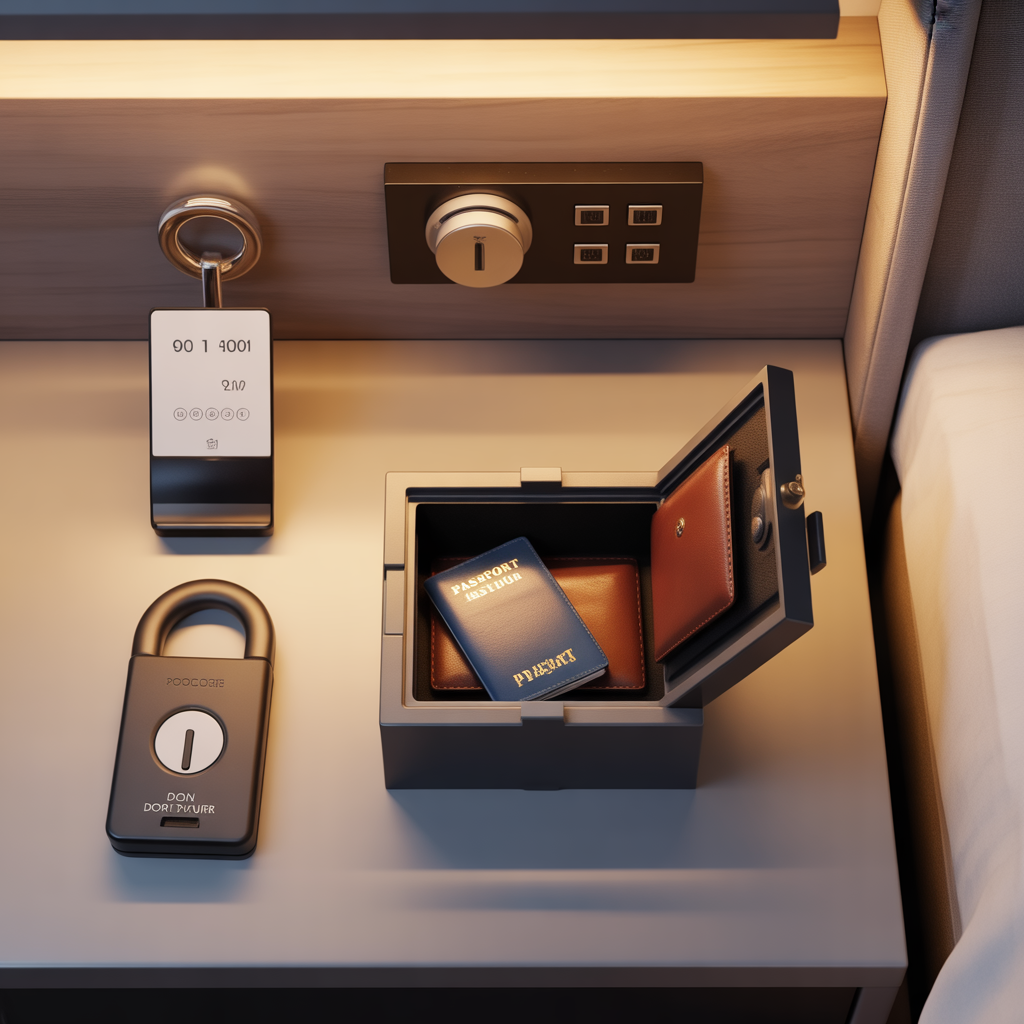
When evaluating a hotel’s physical security, knowing what to look for — and what to ask — can make a significant difference. Here are the features that should be non-negotiable for solo travelers:
- Room door locks — Look for deadbolts, chain locks, or security bars in addition to the standard electronic key card system. The more locking layers, the better.
- In-room safe — Essential for storing your passport, cash, and electronics. Check that the safe is large enough for a laptop if needed.
- Window and balcony security — Ground floor rooms with accessible windows are a security risk. Ensure windows have secure latches.
- 24/7 front desk staffing — A staffed front desk around the clock is a major safety asset. Avoid properties that go unmanned after hours.
- On-site security personnel — Larger hotels often have uniformed security staff, which is an additional layer of protection.
- Well-lit common areas — Corridors, lobbies, parking lots, and entrances should be brightly lit at all times.
- CCTV cameras in common areas — Not just present, but actively monitored.
- Controlled building access — Key card-restricted elevator floors or building entrances ensure that only registered guests can access guest areas.
When in doubt, call the hotel directly and ask about these features before booking. A hotel that can answer your security questions clearly and confidently is a good sign.
Evaluating Hotel Policies That Protect Solo Travelers
Beyond physical infrastructure, hotel policies play a critical role in your safety. Here’s what to look for:
- Guest verification and visitor policies — Does the hotel require ID from guests and restrict unregistered visitors from accessing room floors? This is especially important for solo travelers.
- Discreet check-in procedures — Staff should hand you your room number on a piece of paper or card, not announce it aloud at the front desk where strangers can overhear.
- Do-Not-Disturb signage — A robust DND system that’s actually respected by housekeeping staff is a must.
- Flexible housekeeping scheduling — Being able to set your own housekeeping time ensures you’re not surprised by unannounced room entries.
- Emergency protocols — Ask about or look for posted evacuation plans in your room. Knowing the emergency procedures is part of staying safe.
Choosing the Right Room for Maximum Safety
Not all hotel rooms are created equal from a safety perspective. Where your room is located within the building matters more than most travelers realize.
Best Floor for Solo Travelers
Security experts and experienced solo travelers generally recommend floors 2 through 6 as the sweet spot. Ground floor rooms are vulnerable to break-ins through windows and easy external access. Floors above the 6th can be harder for fire ladders to reach in an emergency.
Room Location Within the Floor
Rooms near the elevator offer quick access to the lobby but can be noisier and more observed. Rooms at the end of long hallways offer more quiet but can feel isolated. For most solo travelers, a room within visible distance of the elevator — but not directly adjacent to it — is a good balance.
Additional Room Features to Request
- A room with a peephole in the door
- Additional locking mechanisms beyond the standard key card
- Avoidance of rooms with adjoining doors (which can be a security vulnerability)
Verifying Hotel Legitimacy Before You Book
In an era of online booking, hotel scams are a real and growing problem. Before you hand over your credit card details, take these verification steps:
- Cross-check the official website — Compare the hotel’s own website with its listings on third-party platforms. Discrepancies in pricing, photos, or contact information can signal a fraudulent listing.
- Verify the physical address on Google Maps — Confirm that the address corresponds to a real building. Street View is your friend here.
- Call the hotel directly — A quick phone call to a number listed on the official website (not a third-party listing) can confirm the booking is real.
- Book through reputable platforms — Booking.com, Expedia, Hotels.com, and Airbnb (with verified hosts) all offer buyer protections that reduce the risk of scams.
- Check for tourism board accreditation — Many countries have official hotel registration systems. A registered, accredited hotel is far less likely to be fraudulent or operate below safety standards.
Special Considerations for Solo Female Travelers
While this guide applies to all solo travelers, women traveling alone face a set of additional safety considerations that deserve focused attention.
- Female-only floors or accommodations — Some hotels and hostels offer floors or dormitory rooms exclusively for women. These can provide significant peace of mind, especially in destinations where harassment is more common.
- Strong anti-harassment policies — Look for hotels that explicitly state their commitment to guest safety and have clear reporting mechanisms for harassment incidents.
- Trust your instincts at check-in — If something feels off the moment you walk in — uncomfortable staff behavior, disorganized security, a dismissive attitude toward your concerns — take it seriously. Many experienced solo female travelers recommend having a backup hotel option pre-researched so you can make a quick decision to leave if needed.
- Apps designed for women travelers — Apps like bSafe (with SOS alerts and GPS tracking), Sitata (travel risk monitoring), and TravelSafe can be invaluable safety tools specifically designed with solo women in mind.
Smart Personal Safety Habits Upon Arrival
Choosing the right hotel is step one. How you behave once you arrive is equally important. Follow these habits immediately after checking in:
- Locate all emergency exits — Walk the floor before you settle in. Know the nearest stairwell exit from your room.
- Test your room locks — Before you unpack, check that all locks work properly. If they don’t, report it to the front desk immediately and request a different room.
- Store valuables in the in-room safe — Passport, extra cash, backup credit cards, and expensive electronics should go in the safe every time you leave the room.
- Use a portable door lock or door stop alarm — These inexpensive devices add an extra layer of room security that no hotel lock can replicate. They’re especially useful in older hotels with outdated locks.
- Keep your room number private — Avoid mentioning your room number to new acquaintances, casual dining companions, or anyone you’ve just met.
- Share your itinerary with someone at home — A trusted friend or family member should know your hotel name, address, and check-in/check-out dates. Check in with them regularly.
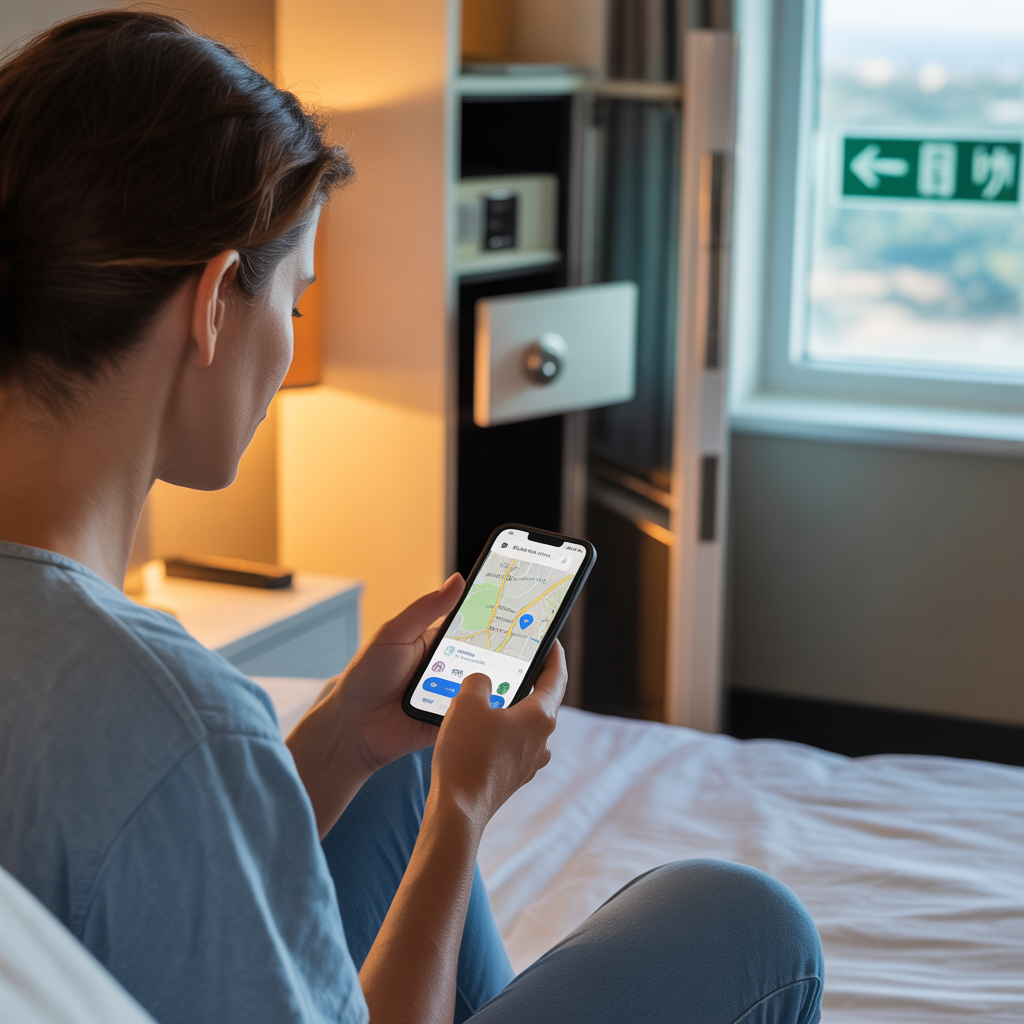
Red Flags That Should Make You Change Your Booking
Sometimes, despite your best research, a hotel reveals itself to be unsafe only upon arrival — or upon closer scrutiny. Here are the warning signs that should prompt you to reconsider or cancel:
- Staff who are dismissive or unhelpful when you raise security concerns
- Poor or broken lighting in hallways, stairwells, or parking areas
- No secure storage options (no in-room safe, no luggage locker)
- Requests for unusual or unverified payment methods (wire transfer, cryptocurrency, etc.)
- Overwhelmingly negative safety-related reviews across multiple platforms
- A location flagged in recent government travel warnings
- Broken locks, damaged doors, or windows that don’t close properly upon room inspection
If you find yourself in a hotel that feels unsafe, remember: your safety is always worth more than a booking fee. Most reputable booking platforms have cancellation and relocation support policies for exactly these situations.
Helpful Tools and Resources for Solo Travel Safety
Technology and community can be powerful allies for solo travelers. Here’s a curated toolkit:
Safety Apps
- bSafe — Real-time GPS sharing, SOS alerts, and a “Follow Me” feature for live tracking by trusted contacts
- Sitata — AI-powered travel risk monitoring with real-time alerts for your destination
- TripWhistle — Emergency numbers for every country in the world
- TravelSafe — Connects you to local emergency services abroad
Government Travel Advisories
- U.S. State Department — travel.state.gov
- UK Foreign, Commonwealth and Development Office (FCDO) — gov.uk/foreign-travel-advice
- Australian Department of Foreign Affairs and Trade (DFAT) — smartraveller.gov.au
Solo Travel Communities
- Reddit r/solotravel — Highly active community with destination-specific hotel safety advice
- Lonely Planet Thorn Tree — A long-running travel forum with in-depth regional knowledge
Travel Insurance
Always purchase travel insurance that covers hotel-related incidents, including theft, emergency accommodation changes, and medical evacuation. Providers like World Nomads, SafetyWing, and Allianz offer robust solo traveler plans.
Final Thoughts: Safety as the Foundation of Freedom
There’s a common misconception that prioritizing safety somehow diminishes the adventure of solo travel. In reality, the opposite is true. When you know your accommodation is secure, your belongings are protected, and you have a solid safety plan in place, you’re free to explore with genuine confidence. You can say yes to that late-night walking tour, strike up conversations with locals, wander into that tucked-away restaurant — because your foundation is solid.
Choosing a safe hotel as a solo traveler isn’t about being paranoid. It’s about being prepared. And preparation, as every experienced solo traveler knows, is what makes the difference between a trip you endure and a trip you love.
Have your own solo travel hotel safety tips? We’d love to hear them in the comments below. And if you found this guide helpful, explore more travel resources and hotel guides on RoomNetic.com — your trusted companion for smarter, safer travel.