

Have you ever checked a hotel room price one morning, only to find it’s jumped by $50 or more that same afternoon? You’re not imagining things — and it’s not a glitch. What you’re experiencing is dynamic pricing, one of the most sophisticated revenue strategies in the modern hospitality industry. Hotel room rates can shift dozens of times a day, driven by algorithms, market data, and real-time demand signals. For the uninformed traveler, this feels frustrating and unfair. But here’s the good news: dynamic pricing is far from random. It follows predictable, learnable patterns — and once you understand how it works, you can use it to your advantage. This guide breaks down everything you need to know about why hotel room rates change so often, and how you can book smarter on every trip.
What Is Dynamic Pricing in Hotels?
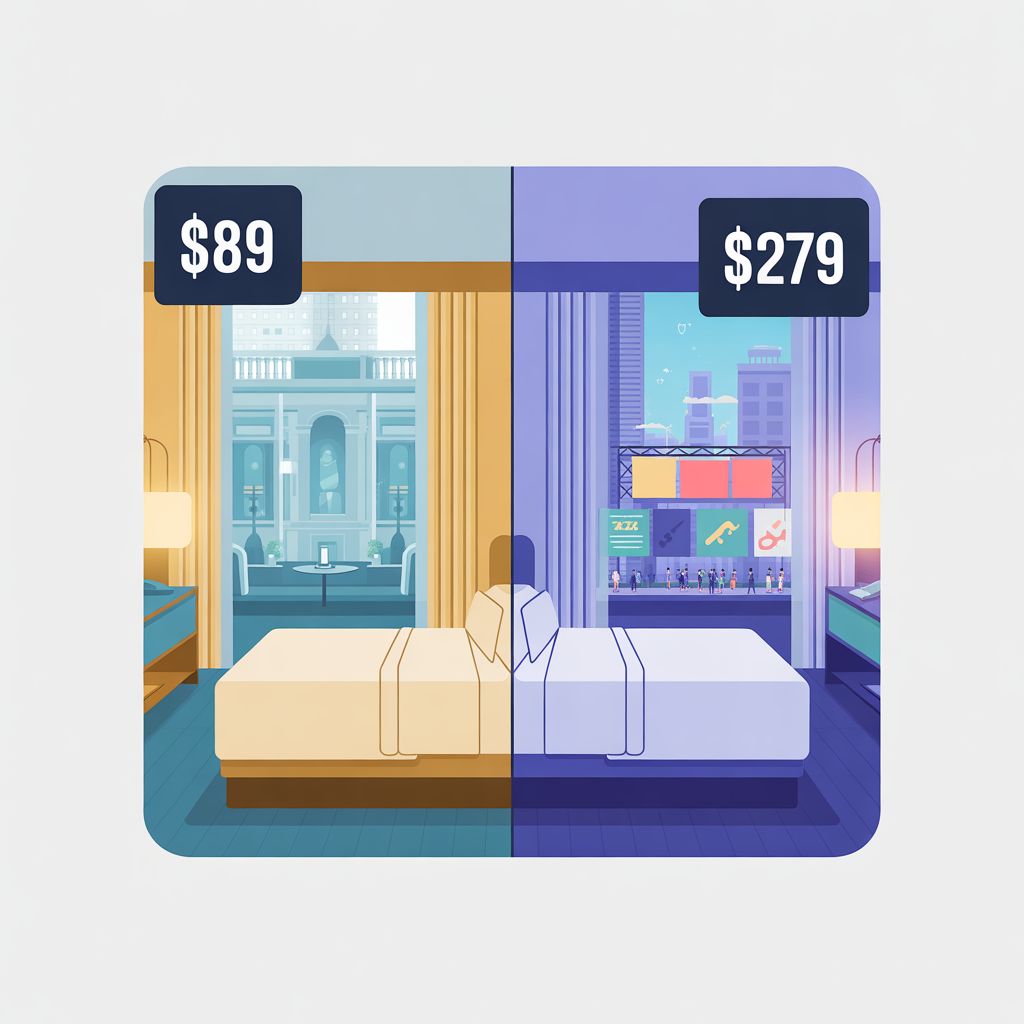
Dynamic pricing — also called demand-based pricing or surge pricing — is a strategy where prices are continuously adjusted based on current market conditions, supply and demand, and a wide range of other data inputs. Unlike a fixed or flat-rate pricing model where a hotel room costs the same $120 every night of the year, dynamic pricing means that same room might cost $89 on a slow Tuesday in February and $279 on a Saturday during a major festival.
Historically, hotels used static rate cards that were updated seasonally — perhaps once or twice a year. As the internet emerged and online booking platforms became mainstream in the late 1990s and early 2000s, hotels began to realize they could adjust rates far more frequently in response to real-time demand. Airlines had already pioneered this model, and hotels quickly followed suit. Today, dynamic pricing is the industry standard. According to hospitality research firm STR, the vast majority of full-service and branded hotels globally rely on some form of automated dynamic pricing system to set their room rates.
How Does Hotel Dynamic Pricing Work?
Behind every fluctuating hotel price is a sophisticated piece of software known as a Revenue Management System (RMS). These platforms ingest enormous amounts of data and use algorithms to calculate the optimal price for every room type at any given moment. Some of the key data inputs include:
- Current occupancy rates: How full is the hotel right now, and how fast are rooms selling?
- Booking pace and lead time: Are bookings coming in faster or slower than expected for a given date?
- Competitor pricing: What are nearby hotels charging for comparable rooms?
- Historical demand data: What happened to bookings and prices on this date last year?
- Local events and seasonality: Is there a concert, conference, or public holiday coming up?
Modern RMS platforms can update room rates in real-time — sometimes multiple times per hour. Hotels also use a concept called rate buckets, which are pre-set pricing tiers (e.g., Tier 1: $99, Tier 2: $129, Tier 3: $159) that the system moves through automatically as demand rises. When one tier fills up, the system automatically unlocks the next, higher-priced tier. Popular RMS platforms used by hotels today include IDeaS Revenue Solutions, Duetto, Cloudbeds, and Amadeus Revenue Management.
Key Factors That Cause Hotel Room Rates to Change
Understanding what actually triggers a price change puts you in a much stronger position as a traveler. Here are the most important drivers of hotel rate fluctuation:
Supply and Demand
This is the most fundamental principle. When a hotel has very few rooms left, it raises prices because it can. Conversely, if the hotel is sitting at 40% occupancy a week before your check-in date, expect discounts and promotional rates to appear as the property tries to fill beds.
Seasonality and Time of Year
Peak seasons — summer in coastal destinations, winter ski resorts, spring in cherry-blossom cities — carry predictably high prices. School vacation windows, national holidays, and major calendar events consistently push rates up. Traveling in the shoulder season (just before or after peak) is one of the most reliable ways to find good value.
Local Events and Conferences
A major music festival, a Formula 1 race weekend, or a large industry trade show can cause hotel rates within a 20-mile radius to double or even triple overnight. Hotels track public event calendars aggressively, and their pricing systems react immediately when high-demand events are announced. Always check the local event calendar before booking.
Day of the Week
Business-focused hotels in city centers tend to be most expensive Monday through Thursday when corporate travelers fill rooms, and then drop sharply on weekends. Resort and leisure hotels often show the opposite pattern — cheaper on weekdays, expensive on Friday and Saturday nights. Knowing which type of hotel you’re booking is key.
Booking Lead Time
The relationship between how far in advance you book and the price you pay is more nuanced than many travelers realize. Generally, booking well in advance gives you access to the best advance purchase rates. However, in some cases, last-minute deals appear when hotels need to fill unsold inventory. The risk of waiting for last-minute prices is that during high-demand periods, prices only get higher the closer you get to the date.
Competitor Pricing
Hotels constantly monitor what their competitors are charging using rate shopping tools. If the hotel across the street drops its price by $20, the RMS may automatically adjust your target hotel’s price to stay competitive. This creates a fluid, market-driven pricing environment where no single hotel operates in isolation.
Channel of Booking
The platform you use to book can affect the price you see. Online Travel Agencies (OTAs) like Booking.com, Expedia, or Hotels.com charge hotels a commission (typically 15–25%), which factors into the pricing equation. Some hotels offer lower rates through their own direct booking websites and may not always be required to maintain rate parity across all channels.
Length of Stay
Many hotels apply minimum stay requirements during high-demand periods (e.g., a 3-night minimum over a holiday weekend). Longer bookings may also unlock discounted per-night rates, as locking in a guest for multiple nights reduces uncertainty and operational costs for the hotel.
Cancellation Policies
Refundable rates (which give you the flexibility to cancel) typically cost more than non-refundable advance purchase rates. This pricing gap reflects the “flexibility premium” — you’re essentially paying for optionality. When you’re confident about your travel plans, choosing a non-refundable rate can yield significant savings.

The Role of Technology in Hotel Dynamic Pricing
The sophistication of hotel pricing has advanced dramatically thanks to artificial intelligence and machine learning. Modern Revenue Management Systems don’t just react to current data — they predict future demand with remarkable accuracy. These AI-driven models analyze millions of data points including web search trends, flight booking data, weather forecasts, and even social media activity to forecast demand weeks or months in advance.
One growing frontier is personalized pricing. Some hotels and OTAs are beginning to use individual browsing history, loyalty program status, device type, and geographic location to show different prices to different users. While this practice remains controversial and is subject to increasing regulatory scrutiny, travelers should be aware that the price someone else sees for the same room may differ from what they see.
OTAs add another layer of complexity. Platforms like Booking.com and Expedia aggregate prices from hundreds of properties and apply their own promotional frameworks, visibility algorithms, and discount programs — all of which interact with the hotel’s own dynamic pricing system.
Dynamic Pricing From the Hotel’s Perspective
For hotels, dynamic pricing is about maximizing a core performance metric known as RevPAR — Revenue Per Available Room. This is calculated by multiplying a hotel’s average daily rate by its occupancy rate. The goal isn’t simply to charge the highest possible price; it’s to optimize the balance between rate and occupancy to generate maximum total revenue.
Dynamic pricing allows hotels to reduce unsold inventory (an empty room is zero revenue), fill the property efficiently, and reward loyal guests with exclusive rates. However, critics argue that rapid and opaque price changes erode consumer trust and make it nearly impossible for average travelers to feel confident they’re getting a fair price. The hospitality industry faces a growing challenge in balancing revenue optimization with the kind of transparent, fair pricing that builds long-term customer loyalty.
How Dynamic Pricing Affects Travelers
The most immediate impact on travelers is frustration. You find a great rate, hesitate, come back an hour later — and it’s gone. This is sometimes intentional. Many booking platforms display messages like “Only 2 rooms left!” or “Booked 15 times in the last 24 hours” to create urgency and trigger Fear of Missing Out (FOMO). While these signals are sometimes genuine, they are also strategically deployed to accelerate purchasing decisions.
Dynamic pricing interacts with loyalty programs in interesting ways. Members of hotel loyalty programs (Marriott Bonvoy, Hilton Honors, IHG One Rewards) often access member-only rates that are discounted below the publicly available rate. However, these discounts don’t make loyalty members immune to price surges during peak periods — the member rate simply applies a percentage discount on top of whatever the dynamic rate happens to be.
Budget travelers who have fixed dates and limited flexibility are generally most exposed to the downsides of dynamic pricing. Travelers with flexible schedules and the patience to monitor prices over time tend to benefit most.
Smart Tips: How Travelers Can Beat Dynamic Pricing
You can’t stop hotels from using dynamic pricing — but you can absolutely learn to navigate it strategically. Here are the most effective approaches:
- Book at the right time: For most leisure destinations, booking 4–8 weeks in advance tends to hit the sweet spot between early availability and competitive rates. For high-demand periods, book even earlier.
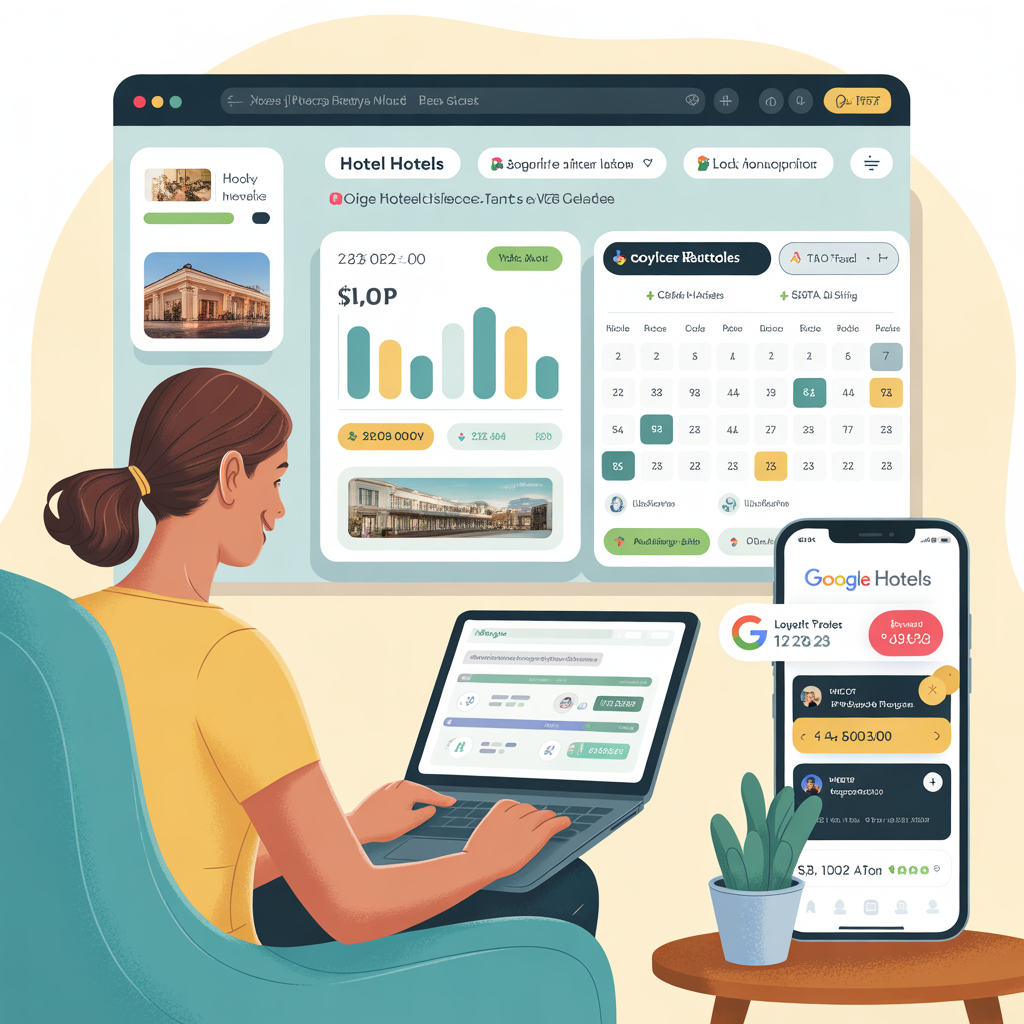
- Use price tracking tools: Google Hotels, Hopper, and Kayak all offer price alert features that notify you when a rate drops. Set an alert and let the tools do the watching for you.
- Compare across multiple platforms: Always check the hotel’s direct website alongside 2–3 OTAs. The price difference can be meaningful, and direct bookings sometimes include perks like free breakfast or room upgrades.
- Use flexible date search: Most booking platforms now offer a date-grid or calendar view that shows you the cheapest nights within a range. Shifting your arrival by even one day can save significantly.
- Join loyalty programs: Even basic loyalty membership often unlocks member-only rates that are 5–15% below public rates — with no additional cost to join.
- Consider non-refundable rates: If your plans are solid, non-refundable advance purchase rates can be 10–30% cheaper than flexible rates for the same room.
- Book direct for best rate guarantees: Many hotel chains guarantee they’ll match or beat any lower price you find elsewhere if you book directly — plus you often receive additional perks.
- Travel in shoulder season: The weeks just before and after peak season often offer near-peak weather or conditions with significantly lower prices and fewer crowds.
- Check local event calendars: Before finalizing dates, search for concerts, sports events, or conferences in your destination city during your planned travel window. These can be hidden price traps.
Common Myths About Hotel Dynamic Pricing — Debunked
There’s a lot of conventional wisdom about hotel pricing that simply isn’t accurate. Let’s clear up the most persistent myths:
- Myth 1: “Prices always drop closer to the check-in date.” This is only true if demand is low. During peak seasons or near major events, prices rise as the date approaches. Waiting for a last-minute deal in a popular destination is a gamble that often doesn’t pay off.
- Myth 2: “Using incognito mode shows cheaper prices.” This is largely a myth. While some OTAs may theoretically use cookie data to influence what you see, most price differences attributed to incognito browsing are simply coincidental rate fluctuations, not personalized pricing penalties.
- Myth 3: “OTAs always offer the best deals.” Not necessarily. Hotels sometimes offer exclusive rates, early check-in, or free breakfast only through direct booking channels that more than offset any small price advantage on an OTA.
- Myth 4: “Loyalty program members are immune to price hikes.” Member rates are discounted relative to the dynamic public rate — but they move up and down right along with it. During a sold-out weekend, even your member discount won’t make the room cheap.
- Myth 5: “Once I check a price, it won’t go down again.” Prices absolutely can and do decrease after you first check them, especially if demand softens, a competing hotel drops its rates, or the hotel runs a flash promotion. Price tracking tools make it easy to monitor this.
The Future of Hotel Dynamic Pricing
The evolution of hotel pricing is heading in a clear direction: more personalization, more automation, and more complexity. Hyper-personalized pricing — where AI models factor in individual user data like past booking behavior, loyalty status, geographic location, and even browsing patterns — is already being tested by major chains and OTAs. This could mean two travelers searching the same hotel on the same night see meaningfully different prices.
On the technology side, AI-driven predictive pricing models are becoming more accurate and more responsive, able to account for variables like local weather events, sudden news stories, or real-time social media buzz about a destination. Some industry observers are exploring blockchain-based price transparency initiatives that would create an immutable, auditable record of pricing decisions — though widespread adoption remains distant.
As consumer awareness of dynamic pricing grows, so does demand for regulation. The European Union has already introduced legislation targeting drip pricing and fake urgency tactics on booking platforms. Expect more regulatory scrutiny globally in the coming years, particularly around personalized pricing practices that may disadvantage certain groups of consumers.
For travelers, the takeaway is clear: staying informed, using the right tools, and booking strategically will become increasingly important skills as hotel pricing algorithms grow more sophisticated.
Conclusion
Dynamic pricing is not a conspiracy, a glitch, or an arbitrary whim of hotel managers. It is a sophisticated, data-driven system built to optimize revenue across thousands of room nights per year. Understanding that prices respond to demand, seasonality, local events, booking lead time, and technology gives you a powerful framework for making smarter hotel booking decisions.
The traveler who books blindly will pay whatever the algorithm demands. The traveler who understands the system — who watches price trends, compares channels, travels flexibly, and books at the right moment — consistently pays less for the same or better experience. Use the strategies outlined in this guide on your next trip, and you’ll notice the difference. Bookmark this page as your reference, and explore more travel-smart resources on RoomNetic.com, including our guides on the Best Time to Book a Hotel and Hotel Loyalty Programs Explained.
Frequently Asked Questions
Why do hotel prices change so often?
Hotel prices change frequently because hotels use Revenue Management Systems (RMS) that automatically adjust rates based on real-time data including current occupancy, competitor pricing, local events, and booking demand. Prices can update multiple times per day to maximize revenue from available rooms.
What is the best day to book a hotel room?
Research generally suggests that booking on a Sunday or Monday can yield slightly lower rates, as these are lower-traffic days for hotel booking platforms. However, booking timing relative to your check-in date (ideally 4–8 weeks in advance for leisure travel) typically matters more than the specific day of the week you make the reservation.
Do hotel prices go down closer to the date?
It depends on demand. During low-demand periods, prices may drop as check-in approaches because hotels want to fill empty rooms. During peak seasons or around major events, prices typically rise as availability decreases. Last-minute deals are more of a gamble than a reliable strategy.
Why is the same hotel room cheaper on different websites?
Different booking channels have different commission structures, promotional programs, and pricing agreements with hotels. Some platforms offer exclusive discounted rates, while hotels sometimes price their direct channel lower to avoid paying OTA commissions. Always compare the hotel’s own website with at least two OTAs before booking.
How do I know if I’m getting a good hotel deal?
Use price tracking tools like Google Hotels, Hopper, or Kayak to check historical price data for your target dates. Compare prices across at least three platforms, check the hotel’s direct website, and consider the cancellation policy in the total value equation. If the price is near or below the historical average for that property and date range, it’s likely a good deal.
What is revenue management in hotels?
Revenue management in hotels is the practice of strategically adjusting room rates, availability, and booking conditions to maximize total revenue from a finite number of rooms. It involves analyzing demand forecasts, competitor pricing, historical data, and market conditions — typically through specialized Revenue Management System (RMS) software — to sell the right room to the right guest at the right price and time.