

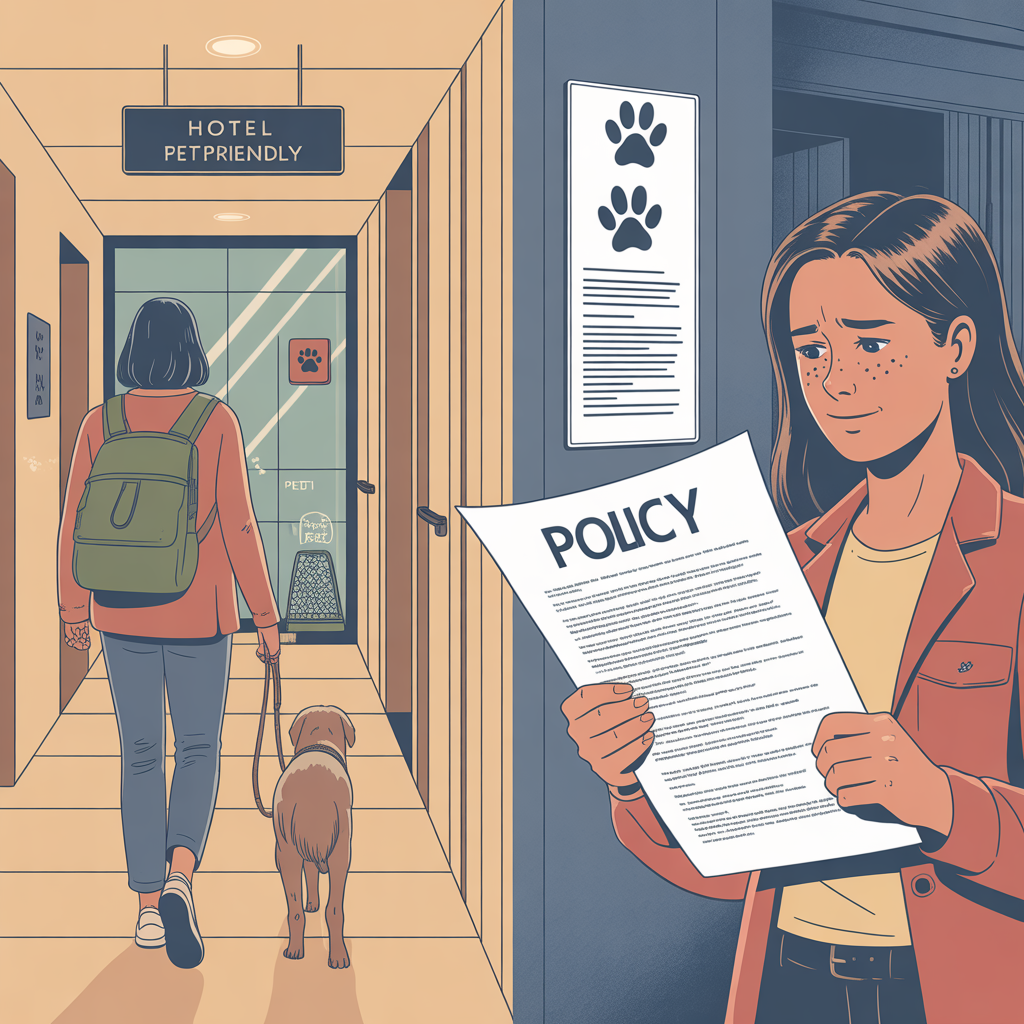
Traveling with your furry companion has never been more popular. According to the American Pet Products Association, nearly 70% of U.S. households own a pet, and an increasing number of those pet owners refuse to leave their four-legged family members behind when they hit the road. But here’s the uncomfortable truth that many pet-owning travelers discover only after they’ve already booked: a “pet-friendly” label on a hotel listing doesn’t mean what most people think it means.
Some hotels genuinely roll out the welcome mat for animals — complete with pet beds, treat bowls at the front desk, and designated play areas. Others merely “tolerate” pets while quietly loading your bill with fees, restricting your dog to a single designated floor, or enforcing breed bans that nobody mentioned during booking. The gap between these two experiences can mean the difference between a relaxing trip and a stressful, expensive disaster.
This guide cuts through the confusion. Whether you’re planning your first road trip with your dog or you’re a seasoned pet traveler looking to avoid surprise charges, we’re breaking down everything you need to know about hotel pet policies — from the fees you’ll actually pay, to the hidden rules buried in the fine print, to the questions you must ask before you ever hit “confirm booking.” Let’s decode the world of pet-friendly hotels together.
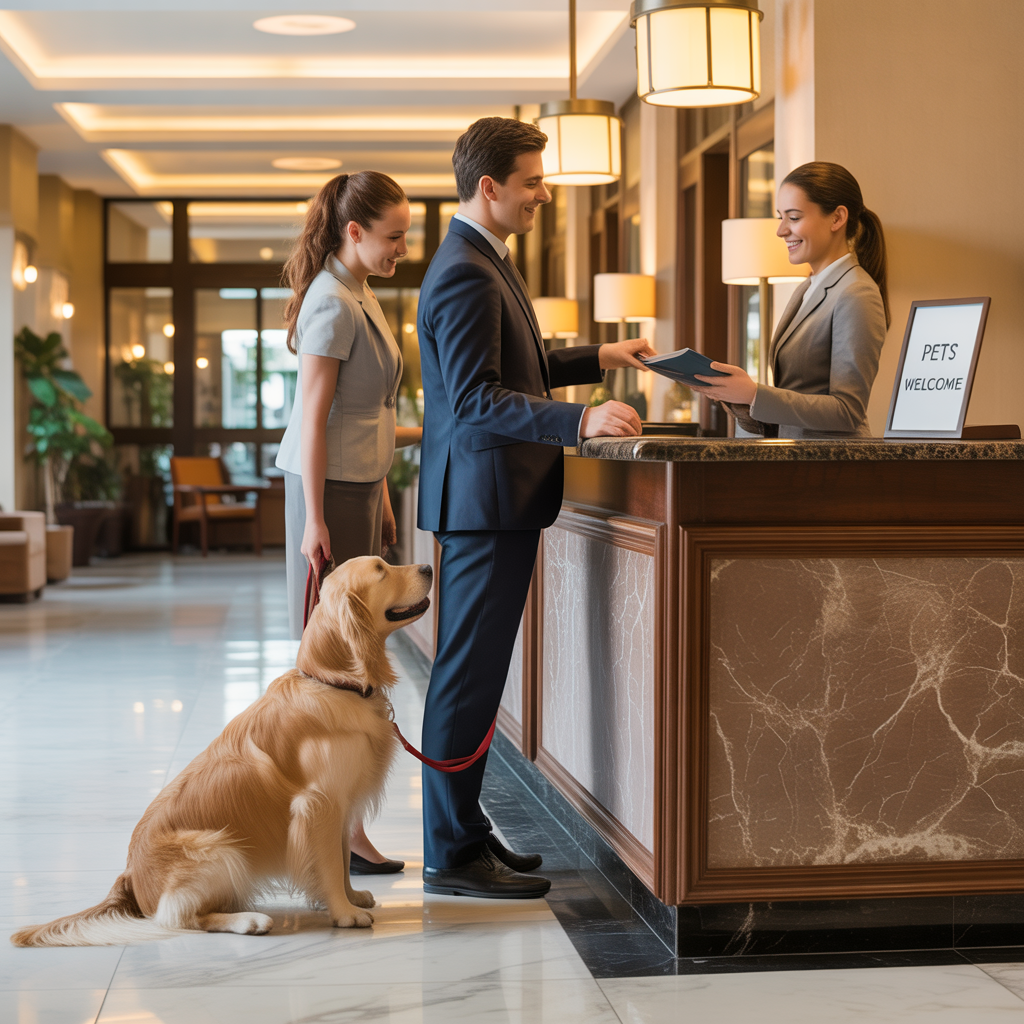
Understanding the Basics of Hotel Pet Policies
What “Pet-Friendly” Really Means
The term “pet-friendly” exists on a wide spectrum, and understanding where a specific hotel falls on that spectrum is the first step to a successful stay. On one end, you have truly pet-welcoming properties — boutique hotels, certain luxury chains like Kimpton, and independent inns that actively cater to guests with animals. These hotels invest in pet amenities, train staff to handle pet-related requests, and create an environment where both you and your pet genuinely feel welcome.
On the other end, you have “pet-tolerant” hotels. These properties accept pets because the market demands it, but they do the bare minimum. Expect limited designated rooms, strict rules, higher fees, and staff who may not be particularly enthusiastic about your golden retriever in the lobby. The “pet-friendly” tag is a marketing label — not a guarantee of experience quality.
Policies also vary dramatically based on three key factors:
- Hotel brand: Corporate-level policies set a baseline, but individual properties can be stricter.
- Location: A Marriott in downtown Manhattan will have very different pet rules than a Marriott resort in Scottsdale, Arizona.
- Property type: Extended-stay hotels, boutique properties, and resort-style hotels all handle pets differently from standard business hotels.
Types of Pets Typically Covered
When hotels say “pets,” they almost universally mean dogs and cats. These are the baseline accepted animals at the vast majority of pet-friendly properties. Everything else — birds, reptiles, exotic mammals, rodents, fish tanks — typically falls outside the scope of standard pet policies and requires direct approval from hotel management.
Beyond species, hotels also impose restrictions based on size and breed (covered in detail below). One critical distinction that every traveler must understand involves three categories that are often confused:
Service Animals vs. Emotional Support Animals vs. Pets — Legal Differences
- Service Animals: Dogs (and in some cases miniature horses) that are specifically trained to perform tasks for a person with a disability. Under the Americans with Disabilities Act (ADA), service animals must be permitted in all areas of a hotel where guests are allowed — with no pet fees charged. Hotels can only ask two questions: Is this a service animal required because of a disability? What work or task has the dog been trained to perform?
- Emotional Support Animals (ESAs): Animals that provide comfort to individuals with emotional or mental health conditions. ESAs are NOT covered by the ADA in the same way as service animals. Hotels are not legally required to accept ESAs and can charge pet fees for them. Some states have additional protections — always check local laws.
- Pets: Companion animals with no specialized training. Subject to full hotel pet policies, fees, and restrictions.
Understanding this distinction can save you significant money and legal confusion. Misrepresenting a pet as a service animal is not only dishonest — it can have legal consequences.
Breaking Down Pet Fees: What You’ll Actually Pay
Types of Pet-Related Charges
The fee structure at pet-friendly hotels is more complex than most travelers expect. Here are the primary charge types you’ll encounter:
- One-time non-refundable pet fee: The most common structure. You pay a flat fee per stay, regardless of how many nights you’re there. This money goes toward extra cleaning costs and does not come back to you.
- Nightly pet fee: Charged per night of your stay. A $25/night pet fee on a 5-night trip adds $125 to your total bill — something many travelers fail to calculate during booking.
- Refundable pet deposit: Held against potential damage and returned after check-out inspection. This is the most traveler-friendly option.
- Non-refundable pet deposit: Despite being called a “deposit,” this money is kept regardless of whether any damage occurs. Don’t be fooled by the terminology.
The difference between a “fee” and a “deposit” matters enormously. A fee is always gone. A deposit should come back — but verify whether it’s truly refundable before you count on seeing that money again.
Typical Fee Ranges by Hotel Tier
Below is a quick reference table to help you estimate pet costs before booking:
| Hotel Tier | One-Time Fee | Nightly Fee | Refundable Deposit |
|---|---|---|---|
| Budget (Motel 6, Red Roof Inn) | $0–$25 | $10–$20/night | Rare |
| Mid-Range (Holiday Inn, Best Western) | $25–$75 | $15–$35/night | $50–$150 |
| Upscale (Marriott, Hilton, Hyatt) | $50–$150 | $25–$75/night | $100–$300 |
| Luxury/Boutique | $75–$250+ | $50–$100+/night | $200–$500+ |
Watch out for hidden add-ons that appear at checkout rather than at booking. These include deep-cleaning surcharges (if your pet sheds heavily or causes odors), damage fees beyond the deposit, and in some cases, a fee for an extra “pet amenity kit” that was placed in your room whether you wanted it or not.
Multiple Pets Policy
Traveling with two dogs? Many hotels charge per pet, not per room. A property charging $75 for one pet may charge $125–$150 for two. Most hotels cap the number of pets per room at two, though some allow only one. Before booking, explicitly ask about multiple pet policies and calculate your total pet costs:
- Base pet fee × number of pets
- Plus nightly fees × nights × number of pets
- Plus any applicable deposit
This total can easily reach several hundred dollars on longer trips — a number you deserve to know before you commit to a reservation.
Common Pet Restrictions You Need to Know
Pet Size and Weight Limits
Weight restrictions are among the most commonly enforced — and most commonly misunderstood — hotel pet policies. Common thresholds include:
- Under 25 lbs: The most restrictive tier, common at urban hotels with limited space
- Under 40–50 lbs: The most common cutoff across mid-range hotels
- Under 75–80 lbs: Found at more pet-welcoming properties
- No weight limit: Rare but found at select boutique and resort hotels
Hotels enforce weight limits with varying degrees of rigor. Some rely on the honor system. Others may ask you to weigh your pet at check-in, or staff may simply use visual assessment. If you have a large dog that exceeds the listed limit, calling ahead is essential — and honesty is the best policy. Getting caught with an over-limit pet can result in being asked to leave.
For large dog owners, specifically search for hotels that list “no weight restrictions” or call properties directly to negotiate. Some hotels will make exceptions for well-behaved, larger dogs, especially during off-peak periods.
Breed Restrictions
Even if your dog is perfectly within the weight limit, certain breeds may be outright banned. Commonly restricted breeds include:
- Pit Bulls and Pit Bull Terrier mixes
- Rottweilers
- Doberman Pinschers
- German Shepherds (at some properties)
- Akitas
- Chow Chows
- Wolf Hybrids
These bans are typically driven by insurance liability concerns and local ordinances, not necessarily a judgment of individual dogs. If your dog belongs to a restricted breed, your options are limited: call ahead and explain your situation (some hotels may make exceptions with documentation of temperament training), look specifically for hotels that explicitly state “no breed restrictions,” or use platforms like BringFido that let you filter by breed-friendly properties.
Room Type Restrictions
Even at a fully pet-friendly hotel, not every room accepts pets. Many properties designate specific floors or room categories for guests with animals. This matters for several reasons:
- Pet-designated rooms may have different furnishings (easy-clean floors rather than carpet)
- These rooms are limited in number and book up fast — especially during holidays and summer travel season
- Suites, executive floors, and premium view rooms are often excluded from pet policies
Always book early and confirm at the time of reservation that a pet-appropriate room is available and confirmed for your specific dates.
Number of Pets Per Room
Most hotels that accept pets allow a maximum of one to two animals per room. Traveling with three or more pets significantly narrows your accommodation options. For multi-pet households, consider:
- Extended-stay hotels with suites that may have higher pet limits
- Vacation rental platforms like Vrbo or Airbnb, which often offer more flexibility
- Calling hotels directly to discuss your specific situation before booking
The Hidden Rules Most Travelers Miss
Pet Supervision and Alone-in-Room Policies
Here’s one of the most surprising rules that catches pet owners off guard: many hotels prohibit leaving pets alone in the room at any time. Yes, even if you’re just heading to the hotel restaurant for dinner.
The rationale is understandable — an anxious pet alone in an unfamiliar room can bark continuously, disturb other guests, or cause damage. But for travelers who need to attend a meeting or enjoy a meal without their pet, this policy creates a real logistical challenge.
Where leaving pets alone is permitted, hotels often require:
- The pet must be in a crate or carrier while unattended
- A “Do Not Disturb” sign must be displayed on the door to prevent housekeeping from entering
- A phone number must be left with the front desk so you can be reached if your pet becomes disruptive
- A maximum time limit (often 2–4 hours) on how long the pet can be left alone
Read this policy carefully before booking, especially if your travel plans involve leaving your pet in the room regularly.
Common Area and Amenity Restrictions
Being a guest with a pet does not grant your animal access to all hotel amenities. Standard restrictions include:
- Pools and pool areas: Almost universally off-limits for pets
- Hotel restaurants and bars: Typically no access, unless there’s an outdoor patio specifically allowing pets
- Fitness centers and spas: No pets permitted
- Lobbies: Usually accessible but pets must be leashed and under control at all times
- Elevators: Pets are typically required to ride only when accompanied and on a leash — some hotels request that pet owners wait for an empty elevator when possible
Most properties will have designated pet relief areas — usually a small outdoor patch with waste bag dispensers. Use them, and always clean up after your pet. Failing to do so is one of the fastest ways to generate complaints and potential fees.
Noise and Behavior Policies
Hotels take noise complaints seriously, and pets are not exempt from quiet-hour rules. If your dog barks excessively — whether you’re present or not — expect a call from the front desk. Repeated disturbances can result in being asked to relocate your pet, being charged a disturbance fee, or in serious cases, being asked to vacate the property entirely.
You are also financially liable for any damage your pet causes to the room or hotel property. This includes:
- Scratched doors or floors
- Chewed furniture, bedding, or curtains
- Stained carpets or upholstery
- Any damage to hotel equipment or fixtures
Damage charges beyond your deposit will be billed to the credit card on file. These charges can be substantial — a chewed couch or scratched hardwood floor can run into hundreds of dollars.
Check-In Disclosure Requirements
This cannot be stressed enough: you must declare your pet at check-in. Do not attempt to sneak an animal into a hotel room. The consequences if discovered include:
- Immediate assessment of maximum pet fees (often much higher than the standard rate)
- Additional undisclosed pet penalties
- Eviction from the property with no refund
- A ban from that hotel or chain
- Being reported to the booking platform, which can affect your account
Beyond the consequences, hotels have surprisingly effective detection methods — pet hair on bedding, noise complaints from neighboring rooms, and housekeeping observations all make undisclosed pets easy to spot. It’s simply not worth the risk.
Health and Documentation Requirements
While most domestic hotels don’t require you to show vaccination records at check-in, some do — particularly higher-end properties with extensive pet amenity programs. It’s good practice to carry documentation of your pet’s vaccinations (especially rabies) whenever you travel.
Some hotels specifically require evidence of flea and tick treatment, especially resort properties with extensive outdoor grounds. For international travel, requirements become significantly more stringent — many countries require health certificates, specific vaccinations, and in some cases, quarantine periods. Always research the pet entry requirements of your destination country well in advance.
Pet Policies by Major Hotel Brands: A Quick Reference
Budget and Mid-Range Chains
- Motel 6: One of the most consistently pet-friendly budget chains in the U.S. Generally allows pets at no additional charge, though policies vary by location. No weight restrictions at most properties.
- Red Roof Inn: Typically allows one pet per room at no extra fee under their “Pets Stay Free” policy. Weight limits and breed restrictions vary by property.
- La Quinta by Wyndham: Historically known for a generous pet policy allowing pets at no charge. Post-merger policies may vary — always verify at the property level.
- Best Western: Pet policies are determined at the individual property level, so there’s significant variation. Always call ahead.
- Holiday Inn Express / IHG Properties: IHG has a brand-level pet policy framework, but individual hotels set their own specific rules and fees.
Upscale and Luxury Chains
- Marriott: Allows pets at select properties. Fees typically range from $75–$150 per stay. Policies vary significantly by brand tier (Courtyard vs. W Hotels vs. Ritz-Carlton).
- Hilton: Pet policies vary by brand and property. Fees and restrictions differ between Hampton Inn, DoubleTree, Conrad, and Waldorf Astoria properties.
- Hyatt: Select Hyatt properties are pet-friendly, with fees typically starting around $75–$100. The Andaz and Park Hyatt tiers tend to be more accommodating.
- Kimpton Hotels: Widely regarded as the gold standard for pet-friendly luxury hospitality. No size or breed restrictions, no pet fees, and genuine pet amenities. Pets receive their own welcome amenities and there’s even a “Director of Pet Relations” at select properties.
The Most Important Takeaway About Brand Policies
Brand-level policies establish a framework — they do not guarantee what you’ll experience at any specific property. A Marriott in one city may allow 50-pound dogs with a $100 fee, while a Marriott in another city may set a 25-pound limit with a $150 fee. Always verify pet policies directly with the specific property you’re booking, not just the brand’s general website.
How to Find and Verify Hotel Pet Policies Before Booking
Where to Look for Accurate Pet Policy Information
- Hotel’s official website: Look for a dedicated “Pet Policy” page, or check the FAQ, Amenities, or Room Details sections. If you can’t find it, that’s a red flag worth investigating further.
- Call the property directly: This is the single most reliable method. Speak with the front desk or reservations team, ask specific questions, and note the name of the person you spoke with.
- BringFido.com: A dedicated pet travel platform with hotel listings, verified pet policies, and reviews from other pet-owning travelers.
- Expedia and Booking.com pet filters: Useful for initial discovery, but policy details shown may be outdated. Always verify before booking.
- TripAdvisor reviews: Search for reviews specifically mentioning pets — real traveler experiences often reveal policies that aren’t clearly stated on official pages.
Questions to Ask the Hotel Before Booking
Use this checklist when calling a hotel to verify their pet policy:
- Do you accept pets, and specifically dogs/cats? (Confirm your pet type)
- What is the total pet fee, and is it nightly or a one-time charge?
- Is there a refundable deposit, and what is the amount?
- Are there weight or breed restrictions?
- How many pets are allowed per room?
- Are pets allowed to be left alone in the room? If so, for how long?
- Are there designated pet relief areas on the property?
- Which areas of the hotel are accessible with a pet?
- Do you have pet-friendly rooms available for my dates?
- Are there any additional fees I should be aware of that aren’t listed online?
Reading the Fine Print in Booking Confirmations
Once you’ve booked, review your confirmation email carefully. Look for any mention of pet policies in the Terms and Conditions section. If pet fees were discussed verbally, follow up with an email summarizing what was agreed upon — this creates a paper trail that protects you if disputes arise at checkout.
Request written confirmation of your pet fee total before arrival. A simple email stating “I’m confirming my reservation includes one dog, subject to a one-time $75 pet fee” can save significant headaches later.
Tips for a Smooth Hotel Stay With Your Pet
Pre-Arrival Preparation
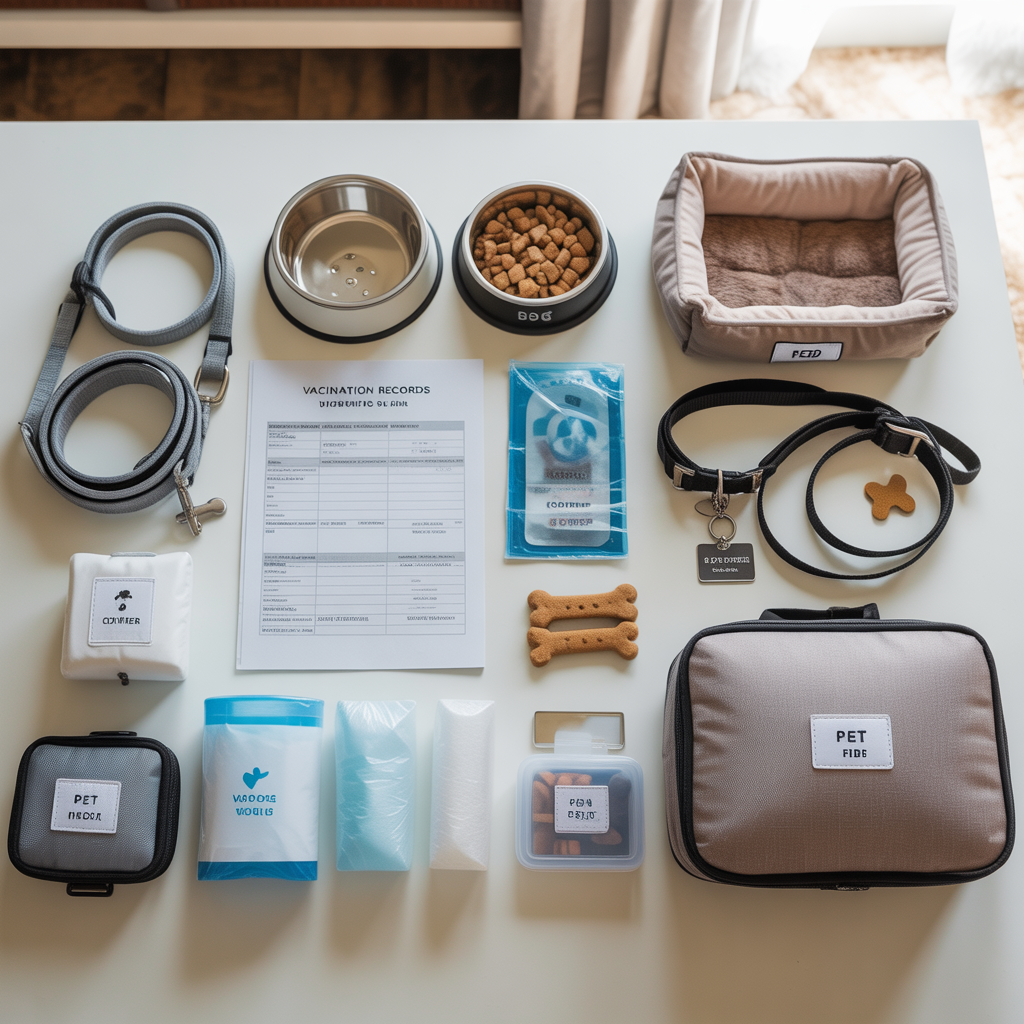
The key to a successful hotel stay with your pet is preparation. Pack these essentials:
- Food and water bowls (collapsible versions save space)
- Your pet’s regular food in pre-measured portions
- Leash, harness, collar with ID tags
- Pet bed or familiar blanket to reduce anxiety in the new environment
- Crate or carrier (required by many hotels for unattended pets)
- Waste bags and cleanup supplies
- Vaccination records and health documentation
- Any medications your pet requires
- A favorite toy for comfort and enrichment
- Old sheets or towels to cover hotel furniture if your pet typically lounges on furniture
Confirm your reservation 24–48 hours before arrival, specifically mentioning your pet to ensure a pet-appropriate room is ready for you.
During Your Stay
Set your room up to minimize the risk of damage and keep your pet comfortable:
- Place your pet’s bed in a corner away from high-traffic areas of the room
- Use your own blankets or sheets over hotel furniture if your pet is allowed on them
- Keep all food and trash secured — hotel rooms are unfamiliar environments with unfamiliar smells that can trigger unusual behavior
- Request housekeeping at a time when you’ll be present, rather than leaving your pet alone during room cleaning
- Keep your pet leashed in all common areas and maintain awareness of other guests who may be uncomfortable around animals
At Check-Out
Before you check out, do a thorough room inspection:
- Check for any pet hair, muddy paw prints, or odors that need to be reported or addressed
- Look for any damage — scratches, chew marks, stains — and report anything you notice to the front desk proactively (this demonstrates good faith and often results in more favorable treatment)
- Take timestamped photos of the room’s condition before leaving as documentation
- Retrieve your pet deposit receipt and confirm the timeline for when refundable deposits will be returned
What to Do When Things Go Wrong
Even with careful preparation, problems can arise. Here’s how to handle the most common situations:
- Hotel claims damage you didn’t cause: This is where your timestamped checkout photos become invaluable. Dispute the charge in writing, referencing your documentation. Escalate to hotel management, then to the brand’s customer service line if needed.
- Unexpected fees at checkout: Ask for an itemized breakdown of every charge. If a fee wasn’t disclosed before your stay, challenge it calmly but firmly. Reference any written confirmations you obtained pre-arrival.
- Hotel doesn’t honor your pet-friendly booking: If you booked through a third-party platform and the hotel claims they don’t accept pets, contact the booking platform immediately. Most major platforms (Expedia, Booking.com) have customer protection policies and can intervene or assist with a refund or rebooking.
- Disputes that can’t be resolved on-site: File a complaint with the booking platform, write a detailed review on TripAdvisor, and if charges appear to be fraudulent, dispute them with your credit card company.
Frequently Asked Questions About Hotel Pet Policies
Can hotels legally charge a pet fee for a service animal?
No. Under the Americans with Disabilities Act (ADA), hotels cannot charge pet fees or deposits for service animals. Service animals must be permitted in all areas of the hotel where guests are allowed. However, the handler is still responsible for any damage caused by the animal.
What happens if I don’t disclose my pet at check-in?
If discovered, you may face penalty fees significantly higher than standard pet fees, immediate eviction from the property, no refund on your reservation, and a potential ban from the hotel or brand. Always declare your pet upfront.
Are pet fees refundable if my pet doesn’t cause any damage?
It depends on whether the fee is structured as a non-refundable fee or a refundable deposit. Non-refundable fees are kept regardless of damage. Refundable deposits should be returned after a clean checkout inspection. Always clarify this distinction before booking.
Do all rooms at a pet-friendly hotel accept pets?
Not necessarily. Many hotels designate only certain floors or room categories as pet-friendly. Suites, executive floors, and rooms with premium amenities are often excluded. Book early to secure a pet-appropriate room.
Can I bring my cat to a pet-friendly hotel?
Most pet-friendly hotels that accept dogs also accept cats. However, always confirm this specifically, as some properties restrict pets to dogs only. Weight limits typically don’t apply to cats, but ask to be certain.
What should I do if my hotel doesn’t have a pet relief area?
Ask the front desk about the nearest appropriate outdoor space where you can walk your dog. In urban hotels, staff often know the nearest parks or quiet side streets. Always carry waste bags and clean up after your pet regardless of location.
Is it better to book directly with the hotel or through a third-party site when traveling with a pet?
For pet travelers, booking directly with the hotel is often recommended. It gives you the opportunity to confirm pet policies firsthand, note any special requests, and ensure your pet’s details are attached to your reservation. If using a third-party site, always call the hotel directly to verify before finalizing.
Conclusion
Traveling with a pet is one of life’s great joys — and it doesn’t have to be stressful if you go in prepared. The fundamental lesson here is simple: “pet-friendly” is a starting point, not a guarantee. The fees, restrictions, and hidden rules that live beneath that label are what actually determine the quality of your experience.
By understanding the types of fees you may face, knowing your rights, asking the right questions before you book, and preparing thoughtfully for your stay, you can turn potentially complicated pet travel into something genuinely enjoyable — for you, your pet, and even the other guests around you.
Do your research, communicate openly with hotels, get important agreements in writing, and never assume that one hotel’s policy matches another’s — even within the same brand. Your wallet and your peace of mind will thank you.
Have a pet travel experience — good or bad — that taught you something valuable about hotel pet policies? We’d love to hear your story in the comments below. And for more tips on traveling with pets, finding truly pet-welcoming destinations, and packing smartly for your next trip, explore more travel guides right here on RoomNetic.com.