

The moment you start planning a trip, one of the first dilemmas hits you before you’ve even booked a flight: where do you stay? Do you go with the familiar comfort of a trusted hotel chain — the kind where you already know the Wi-Fi password will work and the breakfast buffet will be exactly what you expect? Or do you take a chance on that charming boutique property tucked inside a century-old building in the heart of the old quarter, with hand-painted murals in every room and a rooftop bar that doesn’t show up on any chain’s app? This decision, often treated as an afterthought, can actually make or break the entire tone of your journey. The truth is, neither boutique hotels nor major chains are universally “better.” The right choice comes down to your travel style, your budget, your destination, and — most importantly — what you’re hoping to feel when you walk through that door. Let’s break it all down.

What Exactly Is a Boutique Hotel?
The word “boutique” gets thrown around a lot in the hospitality world, but it has a fairly clear meaning when used correctly. A boutique hotel is typically a small, independently owned — or small-group operated — property, usually ranging from 10 to 100 rooms. What sets it apart isn’t just size, though. It’s the personality.
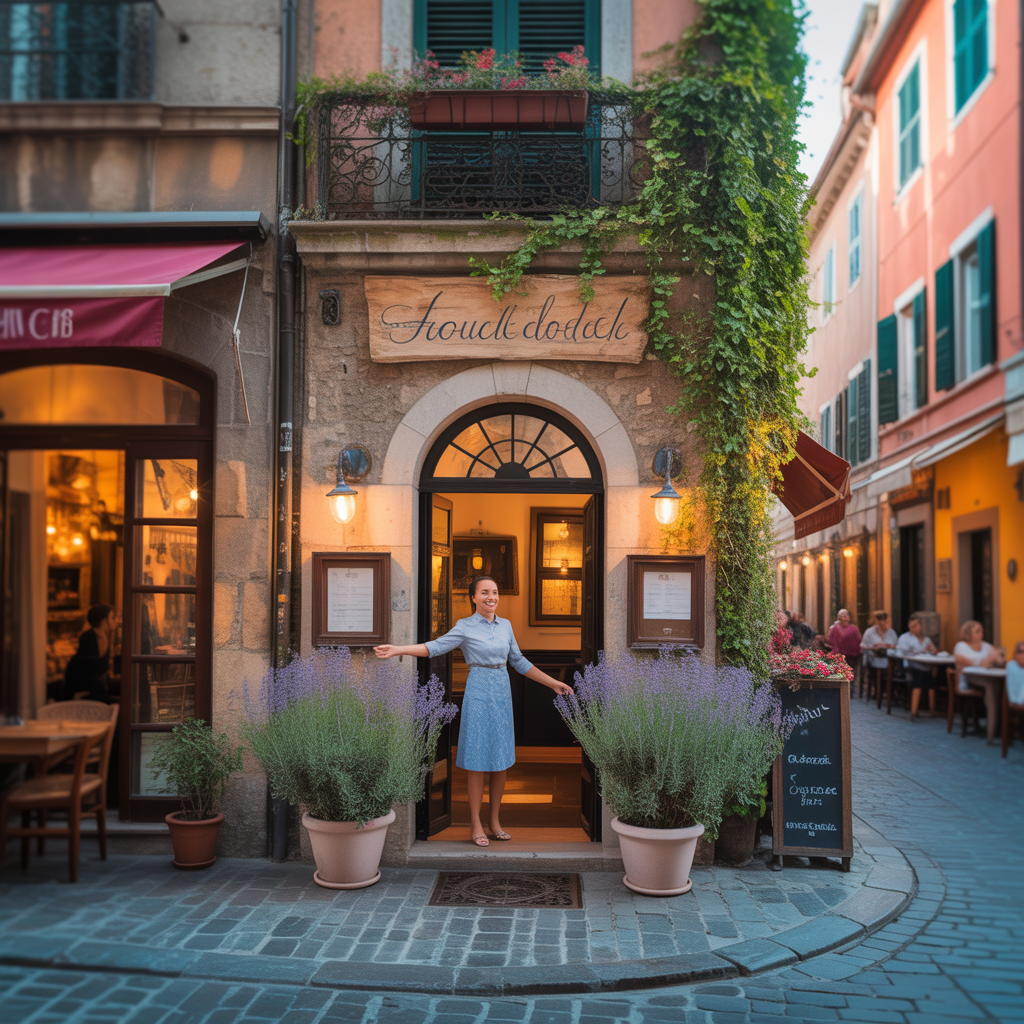
Boutique hotels are defined by their individuality. Each one tells a story. The décor might draw from the local art scene, the architecture might preserve the bones of a Victorian townhouse or a colonial merchant’s warehouse, and the staff might genuinely know your name by the second morning. These properties often sit in historic buildings or characterful neighborhoods rather than generic hotel corridors near highway exits.
At the heart of a boutique experience is a strong emphasis on local culture and authentic storytelling. A well-run boutique hotel doesn’t just give you a place to sleep — it gives you a lens through which to experience a destination. Think 21c Museum Hotels, which double as contemporary art museums. Or the Ace Hotel group, which has become synonymous with creative, community-centered hospitality in cities like New York, Portland, and London.
One important misconception to clear up: boutique doesn’t automatically mean expensive or luxury. While many boutique properties do sit in the upper-mid to premium price range, there are plenty of budget-friendly boutique guesthouses, design-forward hostels, and affordable independent inns that carry the same spirit of individuality and local character without the steep price tag.
What Are Major Hotel Chains?
On the other end of the spectrum, major hotel chains are large, globally recognized brands operating hundreds — sometimes thousands — of properties worldwide. Names like Marriott, Hilton, Hyatt, IHG, Accor, and Best Western are instantly recognizable to travelers in virtually every country.
What defines a chain hotel is consistency and standardization. Whether you check into a Hilton in Singapore or a Hilton in Chicago, you can expect a similar room layout, comparable amenities, the same brand-standard toiletries, and a predictable check-in process. For many travelers, especially those on the road frequently, that reliability is invaluable.
Chain hotels also span an enormous range of price points. A brand like Marriott, for instance, operates everything from budget-friendly Fairfield Inns to ultra-luxury Ritz-Carlton and St. Regis properties. This diversity means that loyalty points earned at an affordable property can be redeemed at aspirational ones — a major draw for savvy travelers.
Speaking of loyalty, this is where chains truly shine. Programs like Marriott Bonvoy, Hilton Honors, and IHG One Rewards have built sophisticated ecosystems that reward frequent guests with free nights, room upgrades, late checkouts, airline miles, and exclusive member rates. For road warriors or frequent vacationers, these benefits can add up to thousands of dollars in travel value each year.
It’s also worth noting the rise of soft brands — a fascinating middle ground that’s been quietly reshaping the hotel industry. Collections like Marriott’s Autograph Collection, Hilton’s Curio Collection, and IHG’s Vignette Collection allow independently distinctive properties to maintain their unique identity while operating under the umbrella of a major chain’s distribution, loyalty program, and booking infrastructure. The line between “boutique” and “chain” is blurrier than ever.
Boutique Hotels vs. Major Chains: A Head-to-Head Comparison
To make this decision easier, let’s put both options side by side across the factors that matter most to travelers.
Atmosphere and Design
Boutique hotels are where design genuinely shines. Each property is a curated experience — locally inspired art on the walls, bespoke furniture, thoughtfully chosen textures and lighting. If Instagram-worthy interiors matter to you, boutique hotels almost always win. Major chains, by contrast, offer professional, clean, and comfortable spaces, but the design language tends toward the safe and predictable. There are exceptions — especially among upscale chain properties — but the generic aesthetic is a common complaint among experienced travelers.
Personalized Service
Boutique hotels often operate with a higher staff-to-guest ratio, which translates into more attentive, personalized service. Staff at a boutique property are more likely to remember your coffee order, recommend a restaurant that isn’t on TripAdvisor yet, or leave a small local treat in your room. Chain hotels follow standardized service protocols — well-trained and professional, but inherently less personal. The experience at a chain is designed to be reliably good, not uniquely memorable.
Location
This is one area where boutique hotels frequently hold a significant advantage. They tend to be embedded in vibrant neighborhoods, historic districts, and culturally rich corners of a city that chains simply don’t occupy. If you want to be steps from the city’s best local coffee shops, independent bookstores, and family-run restaurants — a boutique hotel is usually better positioned. Chain hotels gravitate toward convenience hubs: near airports, convention centers, and major tourist attractions. Both approaches have their logic, depending on your purpose for the trip.
Price and Value
The pricing dynamics are more nuanced than many assume. Boutique hotels range from genuinely affordable to eye-wateringly expensive, but the value is typically measured in experience rather than amenities alone. You might pay $180 a night for a boutique room that feels like staying in a friend’s beautifully designed apartment, versus $180 at a chain that gives you a larger, more functional room with a gym and free parking. Chain hotels offer more predictable value through loyalty discounts, corporate rates, and OTA promotions — often making them the smarter financial choice for frequent travelers.
Amenities and Facilities
If you need a full-service gym, multiple dining outlets, a business center, conference rooms, or a large swimming pool, major chains are the clear winner. Boutique hotels, by their nature, operate smaller footprints and may offer only a bar, a small fitness room, or no pool at all. That said, many boutique properties compensate with curated amenities that feel more intentional — a rooftop terrace, a cozy library nook, or partnerships with local spas and fitness studios.
Loyalty Programs and Rewards
This is where chains dominate without question. If you travel frequently and want to earn and redeem points for free nights, upgrades, or airline miles, a major chain’s loyalty ecosystem is simply unmatched by most boutique hotels. Boutique properties rarely offer meaningful points programs, though some have partnered with platforms like Hotels.com Rewards or niche programs. Soft brand collections are the exception — they let you earn chain points while staying in a boutique-style property.
Booking and Reliability
Major chains offer seamless global booking platforms, flexible cancellation policies, 24/7 customer support, and guaranteed reservations backed by large organizations. Some boutique hotels — particularly smaller independent ones — may have limited online presence, variable cancellation terms, or slower customer service response times. Always check the fine print when booking a boutique property, especially in less-traveled destinations.
Local Experience and Authenticity
If connecting with a destination’s culture is your priority, boutique hotels consistently deliver a more authentic experience. From locally sourced breakfasts to partnerships with neighborhood artisans to staff who grew up in the city and truly know it — boutique hotels put you closer to the real pulse of a place. Chain hotels, designed for international travelers, tend to offer a more insulated, globally standardized experience that can feel detached from local life.
Safety and Consistency
One honest caveat about boutique hotels: quality varies significantly from property to property. A boutique hotel with rave reviews can sit next to another boutique with serious issues, and both look equally charming on Instagram. Major chains provide a guaranteed baseline standard — hygiene, safety protocols, room quality — that takes the guesswork out of booking, especially in unfamiliar destinations.
When Should You Choose a Boutique Hotel?
Boutique hotels are the right call in several specific scenarios:
- You’re on a leisure trip or vacation where immersion in local culture is the priority
- You’re celebrating a special occasion — a honeymoon, anniversary, or milestone birthday — and want the stay itself to feel extraordinary
- You genuinely value unique design, atmosphere, and storytelling over standardized amenities
- You’re visiting a city with a rich independent hospitality scene (think New Orleans, Lisbon, Kyoto, or Portland)
- You want to support local businesses and contribute to sustainable, community-based tourism
- You’re a solo traveler or couple seeking an intimate, cozy, and highly personalized stay
- You’re a photographer, writer, or creative professional who draws inspiration from your environment
When Should You Choose a Major Hotel Chain?
There are equally compelling reasons to go with a chain, and they’re not just about settling for less:
- You’re traveling for business and need reliable fast Wi-Fi, meeting facilities, and a professional environment
- You’re a frequent traveler who wants to maximize loyalty points, earn elite status, and enjoy free nights and upgrades
- You’re traveling with family and need guaranteed amenities like pools, kids’ clubs, connecting rooms, and accessible services
- You’re visiting a destination where boutique options are limited, or where the quality of independent hotels is unpredictable
- You value booking flexibility — easy modifications, strong cancellation policies, and responsive customer support
- You’re on a tight budget and can leverage loyalty member discounts, promotional rates, or points redemptions to maximize value
- You’re visiting a destination for a conference or event that’s already co-located at a chain hotel
The Blurring Line: When It’s Not So Clear-Cut
One of the most interesting developments in modern hospitality is how much the traditional boundary between boutique and chain has softened. The rise of soft brand collections — Marriott’s Autograph Collection, Hilton’s Curio Collection, Hyatt’s Unbound Collection, IHG’s Vignette Collection — has created a hybrid category that gives travelers the best of both worlds: the unique character and independent feel of a boutique property, combined with the booking convenience and loyalty program integration of a major chain.
At the same time, beloved boutique brands have grown into small chains themselves. Soho House, originally a members-only club with a distinctly London personality, now operates dozens of properties globally. Kimpton Hotels began as a boutique disruptor and was eventually acquired by IHG. These examples show that boutique is often more about philosophy and feel than strict independence.
So how do you tell if a “boutique” hotel is genuinely independent versus chain-affiliated? Look for:
- Whether it appears within a brand collection (Autograph Collection, Curio, etc.)
- Whether it offers chain loyalty points upon booking
- How the property describes itself — independent boutiques usually lead with their story, not their parent brand
- Recent guest reviews that speak to staff personality and local integration
Tips for Choosing the Right Option for Your Trip
Still unsure which direction to go? Here’s a practical framework to guide your decision:
- Define your trip purpose first. A business trip, a family vacation, a romantic getaway, and a solo adventure all call for different lodging priorities.
- Rank your priorities clearly. Atmosphere? Amenities? Location? Price? Loyalty points? Knowing what matters most narrows the field quickly.
- Check review platforms thoroughly. TripAdvisor, Google Reviews, and Booking.com offer real guest feedback that cuts through marketing language. Pay attention to reviews from travelers with similar priorities to yours.
- For boutique hotels: Go beyond the website. Check the hotel’s Instagram, look at recent reviews (not just the best ones), and notice how the hotel responds to negative feedback. That responsiveness tells you a lot about the operation.
- For chain hotels: Check what loyalty tier you qualify for before booking. Even a basic member tier can unlock better rates or room upgrades. Always check if a promotional rate or points redemption is available before paying the rack rate.
- Consider the destination. Some cities are genuinely better experienced through boutique stays — Havana, Marrakech, Chiang Mai, Dubrovnik. Others, particularly major business hubs or developing tourism markets, may be better served by the reliability of a recognized chain.

Conclusion
At the end of the day, the debate between boutique hotels and major chains isn’t about which one is objectively superior — it’s about which one is right for you, for this trip, at this moment in your travel life. Boutique hotels offer soul, character, and a genuine sense of place. Major chains offer reliability, scale, and a loyalty ecosystem that rewards frequent travelers in real, measurable ways. Both have earned their place in a well-rounded traveler’s toolkit.
The most experienced travelers don’t swear allegiance to one camp or the other. They choose strategically — a chain for the Tokyo business trip, a boutique for the Lisbon anniversary, a soft brand in Nashville to get the best of both worlds. The more you travel, the more nuanced your hotel preferences will become.
So try both. Stay curious. And remember that the place you sleep at night shapes the stories you tell when you come home. Choose the one that helps you tell a better story.
We’d love to hear your take — are you a boutique loyalist or a chain hotel devotee? Or do you mix it up depending on the trip? Share your experience in the comments below!
Frequently Asked Questions
Are boutique hotels more expensive than chain hotels?
Not necessarily. While some boutique hotels position themselves in the luxury or upper-mid market, many affordable boutique properties exist across all price ranges. The key difference is that boutique hotel pricing reflects experience and uniqueness rather than amenity volume. Chain hotels, on the other hand, offer broader pricing tiers and the added advantage of loyalty discounts that can reduce nightly rates significantly for members.
Do boutique hotels have loyalty programs?
Most independent boutique hotels do not offer their own robust loyalty or rewards programs. However, some participate in third-party platforms like Hotels.com Rewards or Small Luxury Hotels of the World’s loyalty program. Boutique hotels operating under chain soft brand collections — such as Marriott’s Autograph Collection — do allow guests to earn and redeem chain loyalty points.
What is the difference between a boutique hotel and a bed and breakfast?
Both are typically small and independently operated, but they differ in scope and style. A bed and breakfast (B&B) is usually a residential property — often a private home — where the owner lives on-site and serves a home-cooked breakfast. Boutique hotels are professionally operated accommodations with dedicated staff, distinct design concepts, and hotel-standard services, though they may also include a curated breakfast experience.
Are major hotel chains safer than boutique hotels?
Major hotel chains follow standardized safety and hygiene protocols across all properties, making the baseline level of quality more predictable. Boutique hotels vary widely — a well-run boutique can be just as safe and clean as any chain, but quality is property-specific rather than brand-guaranteed. When booking boutique properties, thorough research through recent reviews and ratings is especially important.
Can you earn airline miles staying at boutique hotels?
This depends on the property. Major chain hotels have partnerships with most major airline frequent flyer programs, allowing guests to earn miles on their stays. Independent boutique hotels rarely offer direct airline mile earning opportunities, though some may partner with programs on a case-by-case basis. If airline miles are a priority, a chain hotel — or a boutique soft brand collection — is typically the better choice.
What is a “soft brand” hotel?
A soft brand hotel is an independent or boutique-style property that has affiliated with a major hotel chain’s collection while retaining its unique identity, name, and design. Examples include Marriott’s Autograph Collection, Hilton’s Curio Collection, and Hyatt’s Unbound Collection. Guests benefit from the property’s individual character while still being able to book through the chain’s platform, earn loyalty points, and access member benefits — making soft brands a popular middle ground for travelers who want both authenticity and reliability.