















Why book?
Not all five-star hotels understand the value of subtlety—but The Merrion does. This quietly confident hotel—composed of four restored Georgian townhouses—sits just beyond Dublin’s busiest streets, offering guests something hard to find in a capital city: space, stillness, and exceptional attention to detail. Its location is central without being chaotic; its interiors formal, but never cold. If you’re looking to balance Dublin’s energy with a stay that feels more composed, thoughtful, and historic—this is the place. (Not to mention, it’s one of the Leading Hotels of the World.)
Set the scene
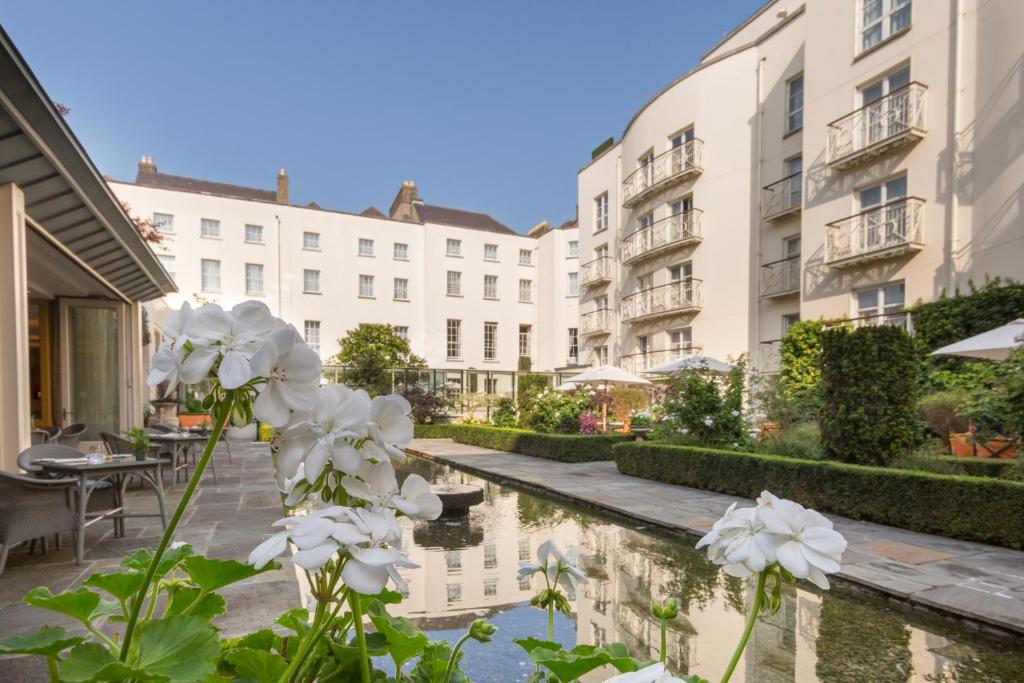
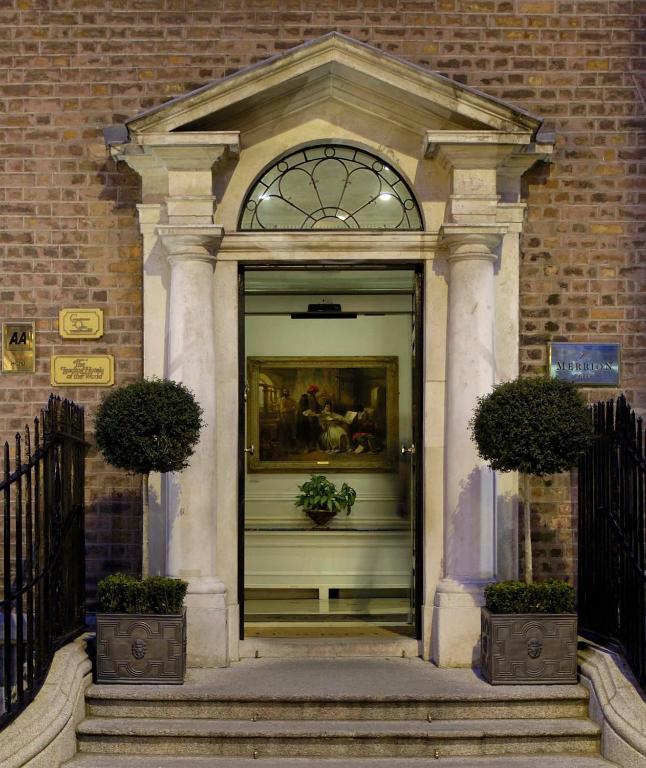
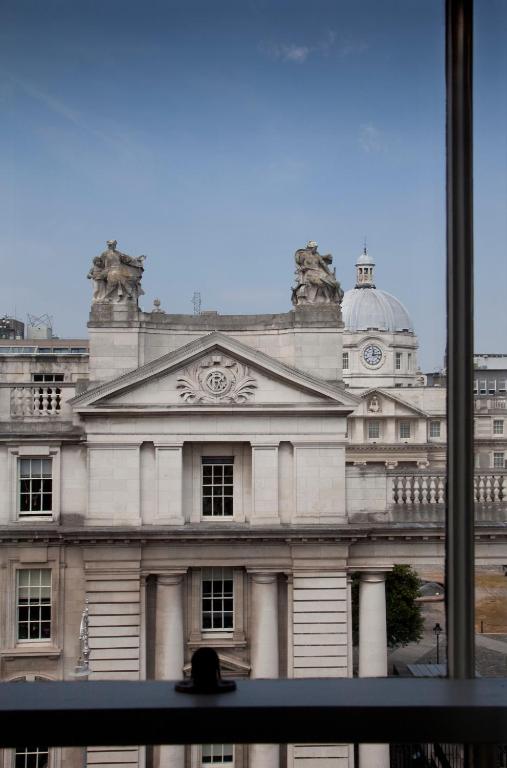
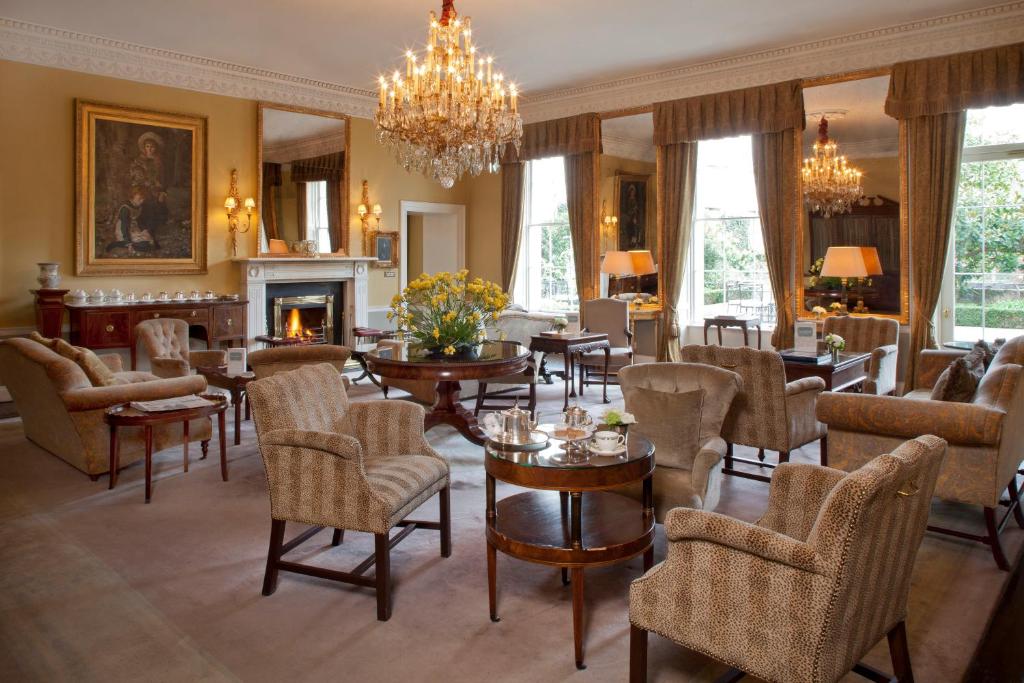
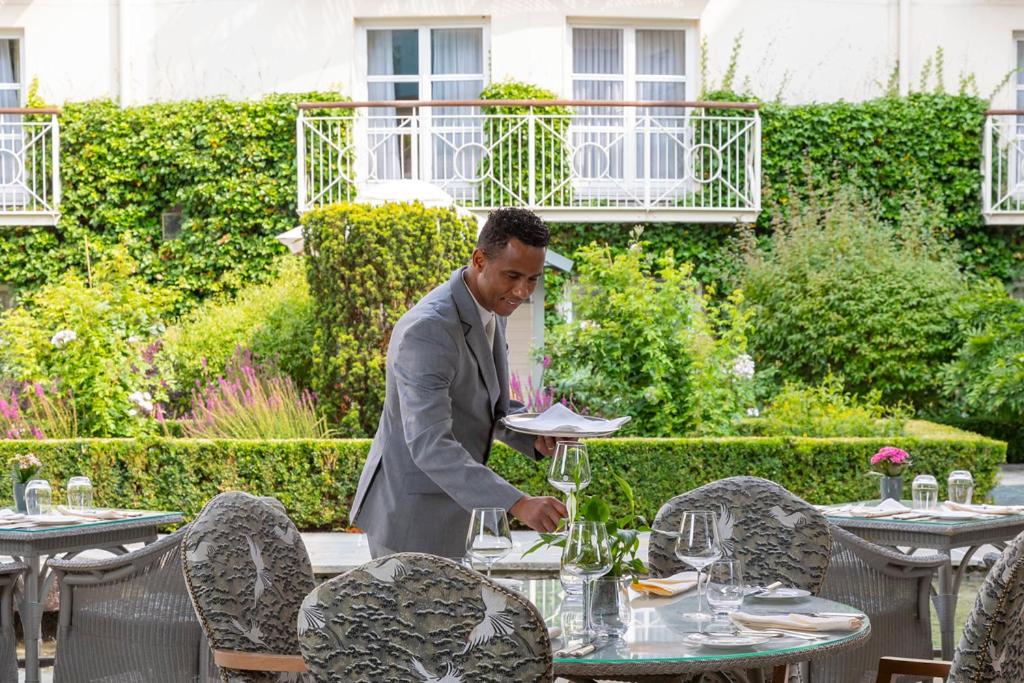
There’s a shift as you approach The Merrion’s property. The streets widen, the noise softens, and the Georgian architecture begins to assert itself in clean lines and dignified façades. A doorman in a traditional uniform (complete with suits with top hats) opens the door before you’ve fully arrived. Inside, natural light filters through tall windows. It’s calm, but not at all quiet: People are talking softly in the drawing rooms; a family is finishing lunch on the garden terrace. Guests read newspapers by the fountain, which tilted just slightly to block the late afternoon sun. With a light-filled lobby, polished floors, original plasterwork, and paintings that hang above antique fireplaces–it’s true you’re in a hotel, but it doesn’t feel like one. (It’s more like a highly curated gallery with a well-developed historical art display.)
The backstory
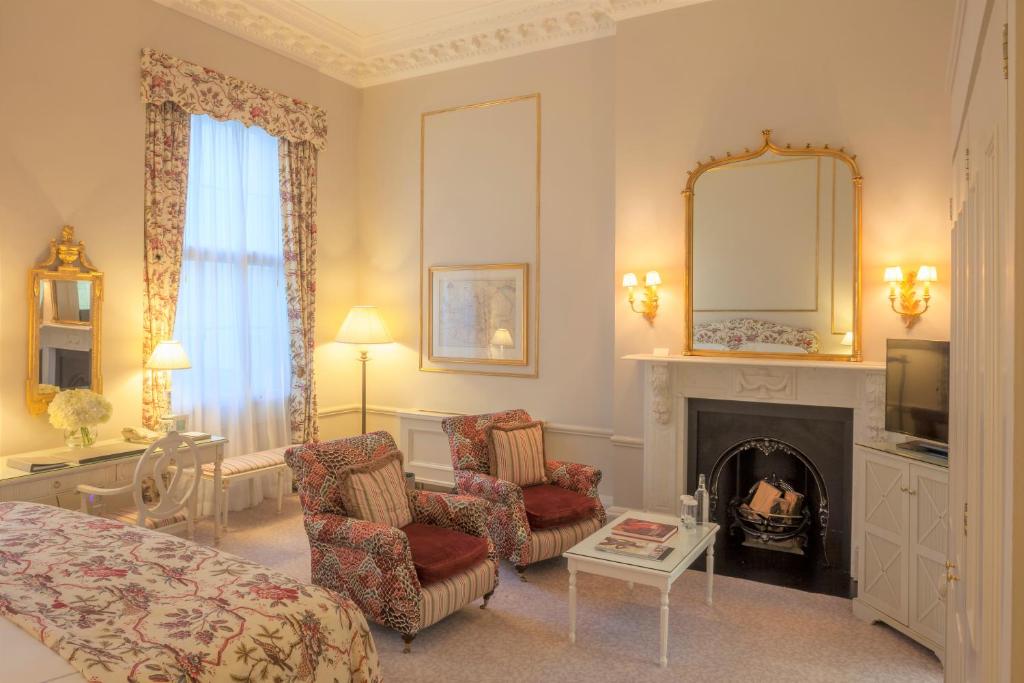
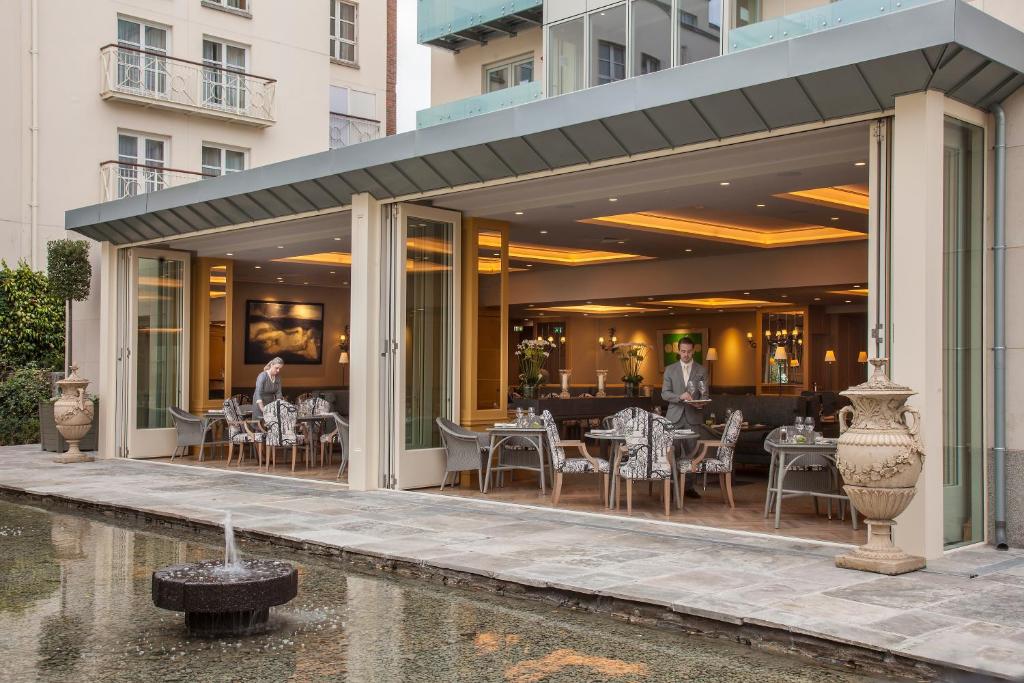
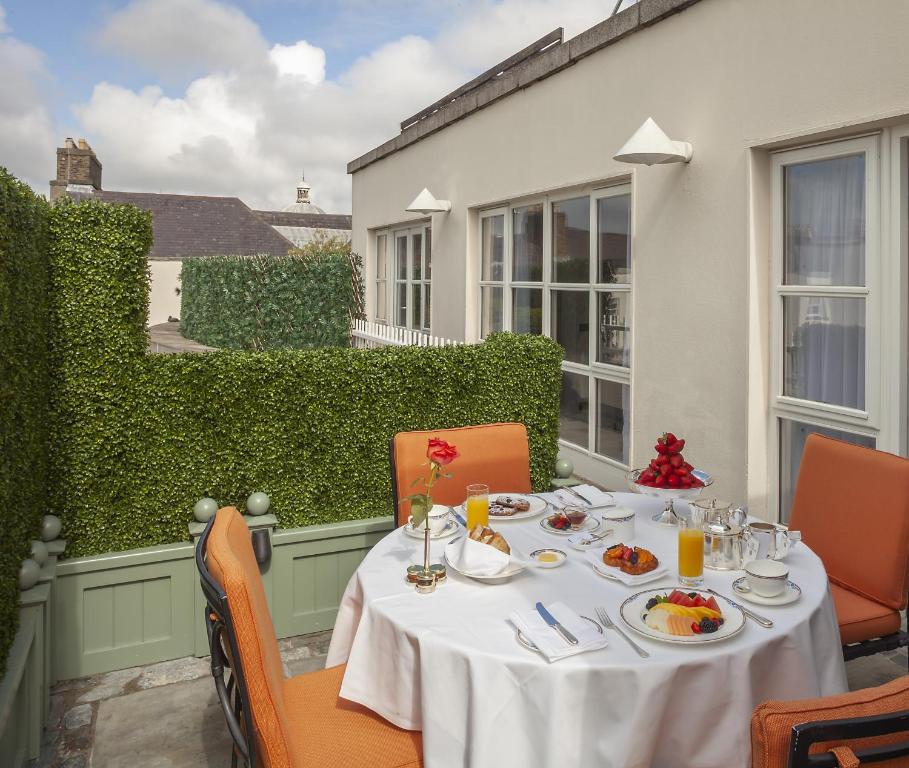
The Merrion’s story begins in 1756, when four Georgian townhouses were built on Upper Merrion Street, directly across from what would become Ireland’s Government Buildings. Over time, the houses were combined and restored, forming the foundation of today’s Main House. The hotel has since expanded with a more contemporary Garden Wing, but the spirit of the 18th century remains intact. The interiors were designed by Alice Roden, a local designer and weaver who had never worked on a hotel before. That choice turned out to be the right one. Her touch is domestic, not corporate—period-appropriate colors, Irish fabrics, and antiques that feel collected rather than sourced. The hotel’s two formal gardens—one decorative, the other functional—were created by landscape designer Jim Reynolds to evoke the layout and plantings of an 18th-century estate. Many rooms overlook the gardens; in the warmer months, the larger becomes a quiet extension of the drawing rooms, with waiter service on the terrace.
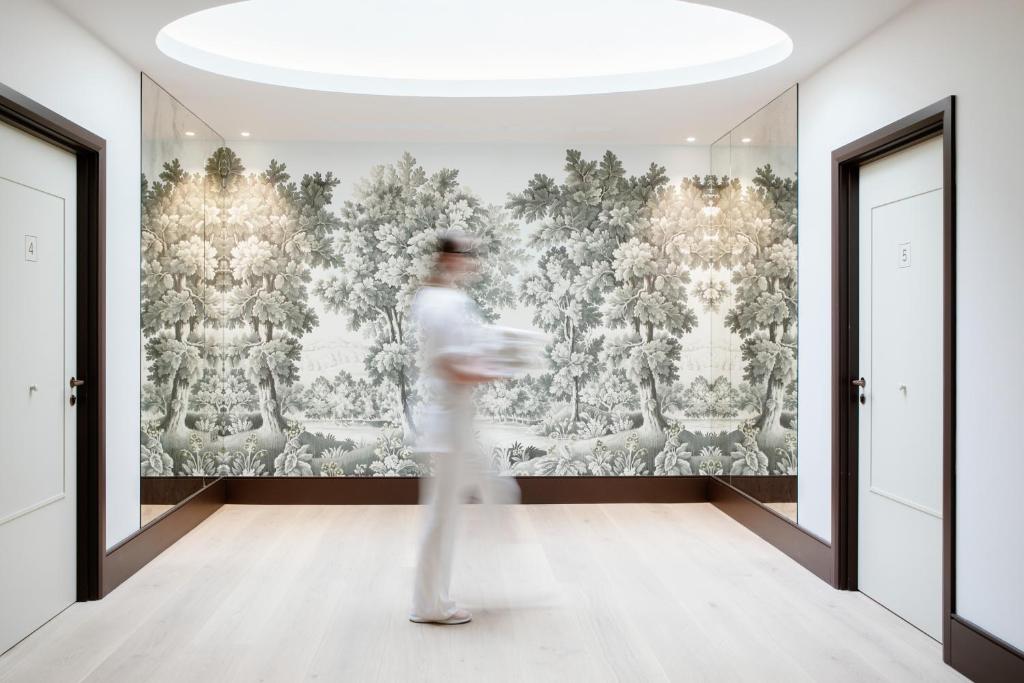
Art plays a central role, too: The Merrion houses one of Ireland’s most significant private collections of contemporary art, on quiet display throughout the hotel’s public spaces. The main stairwell is lined with neoclassical murals by Martin Mooney, painted in the tradition of patron-commissioned works.
The rooms
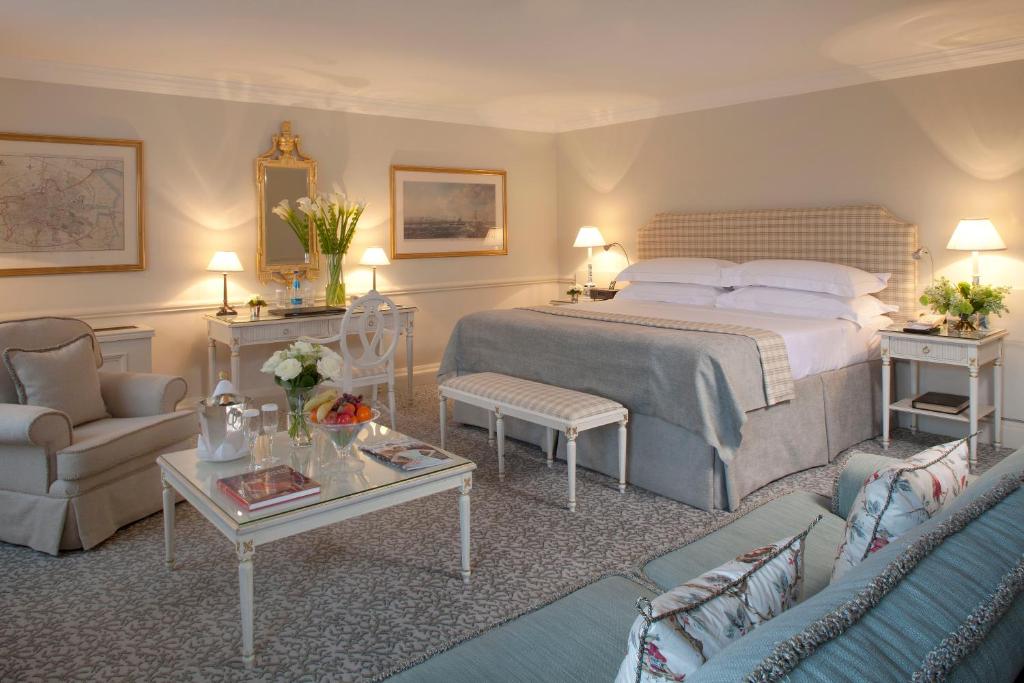
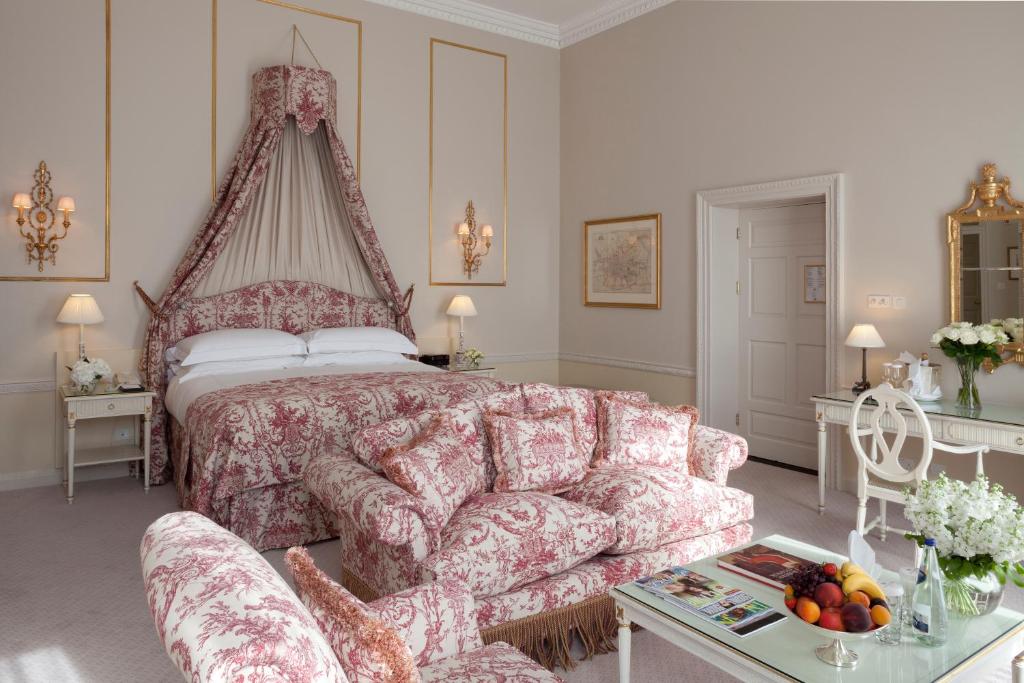
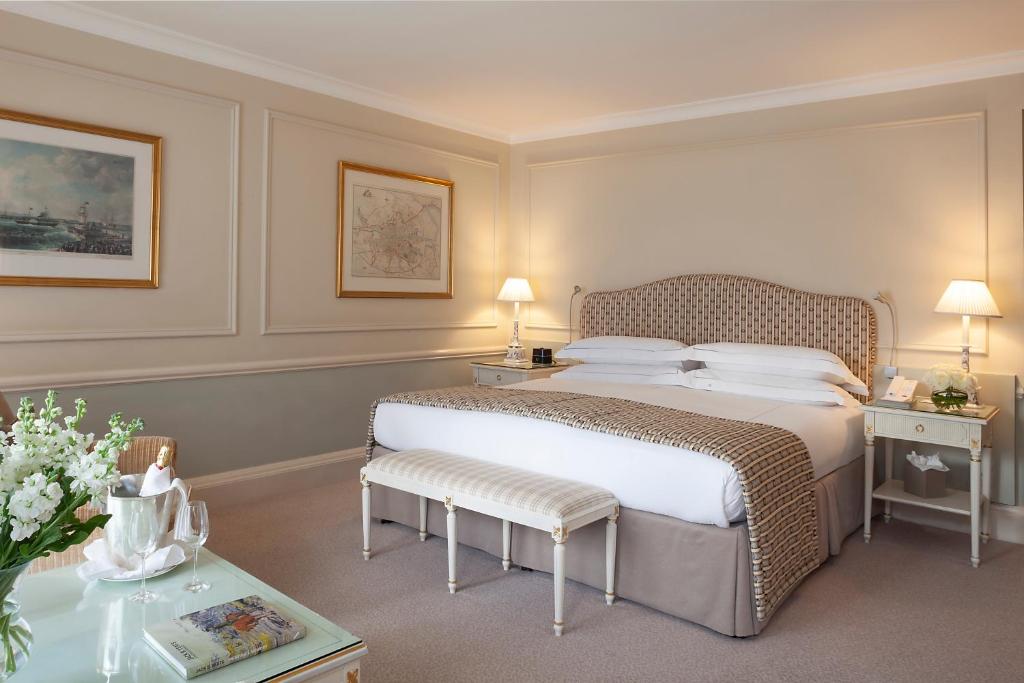
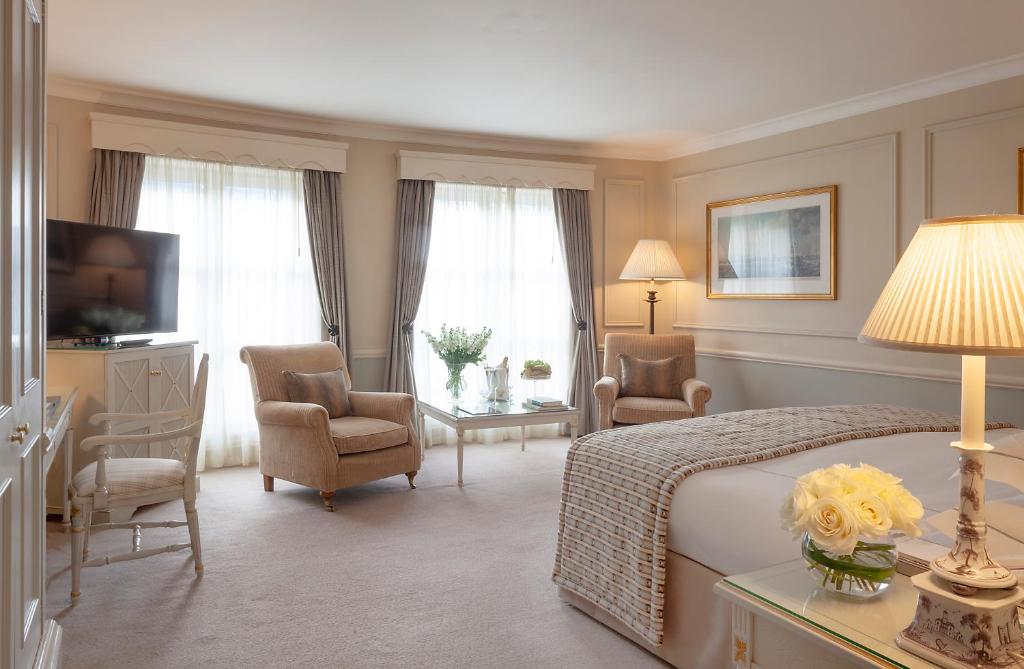
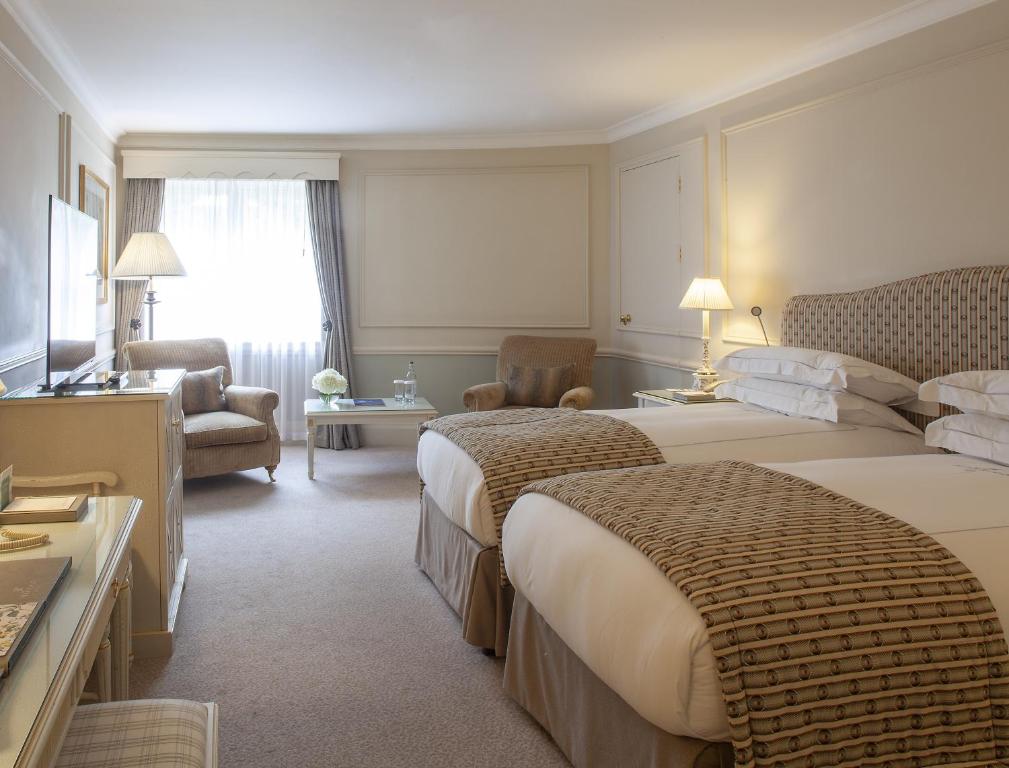
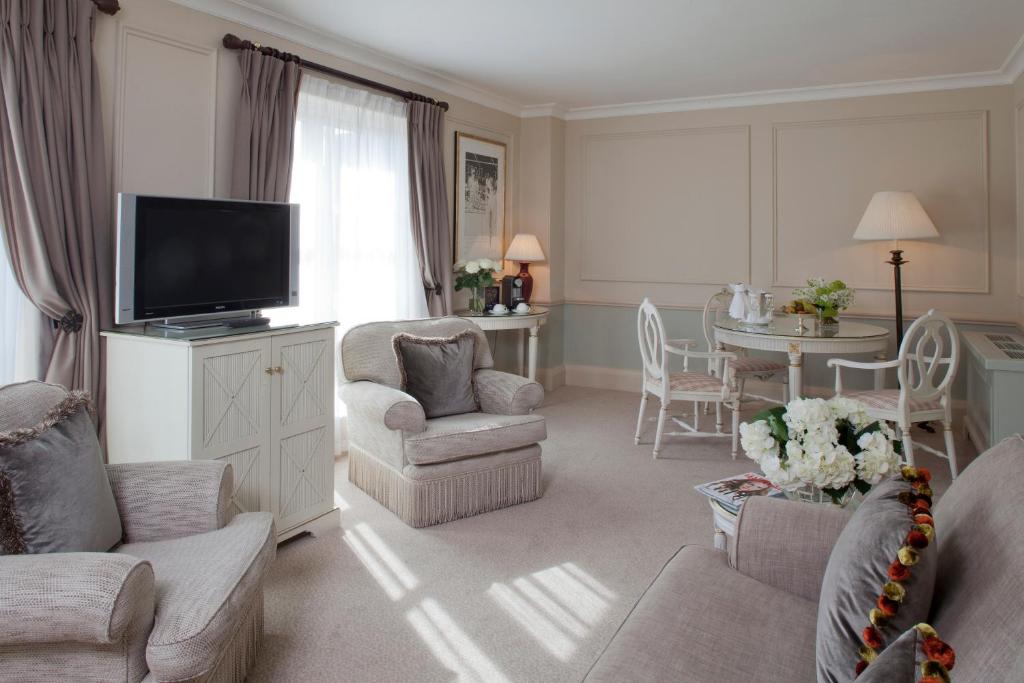
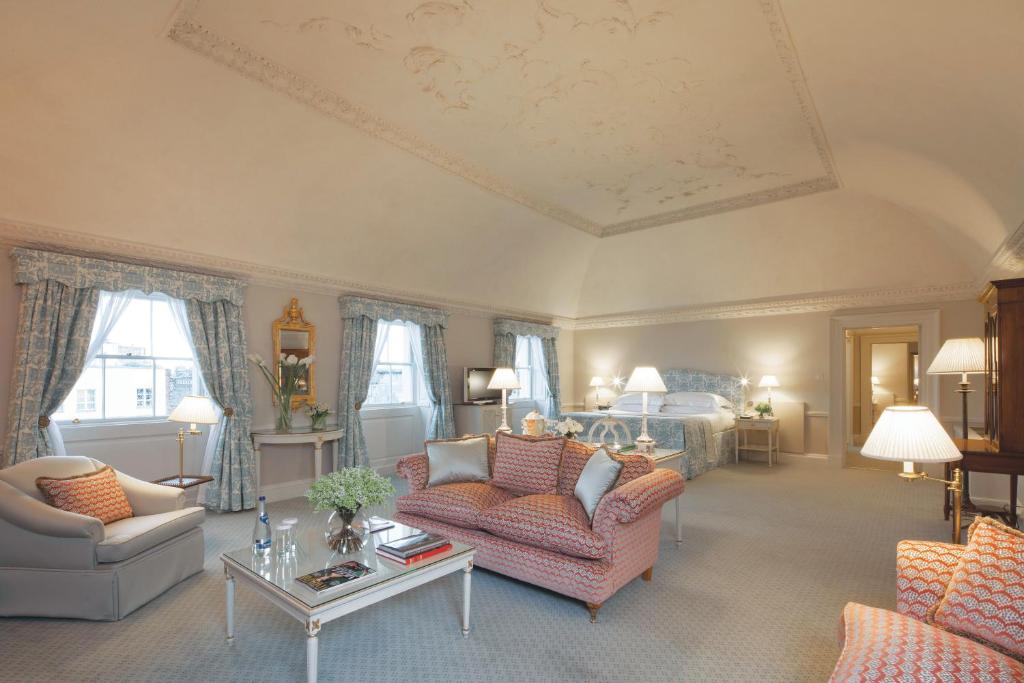
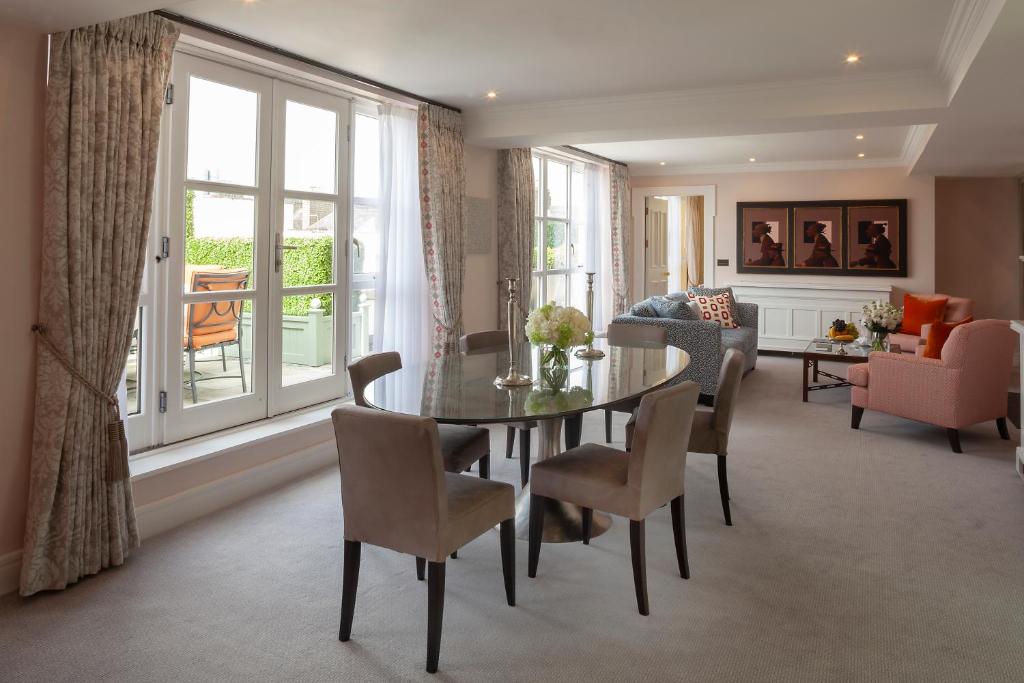
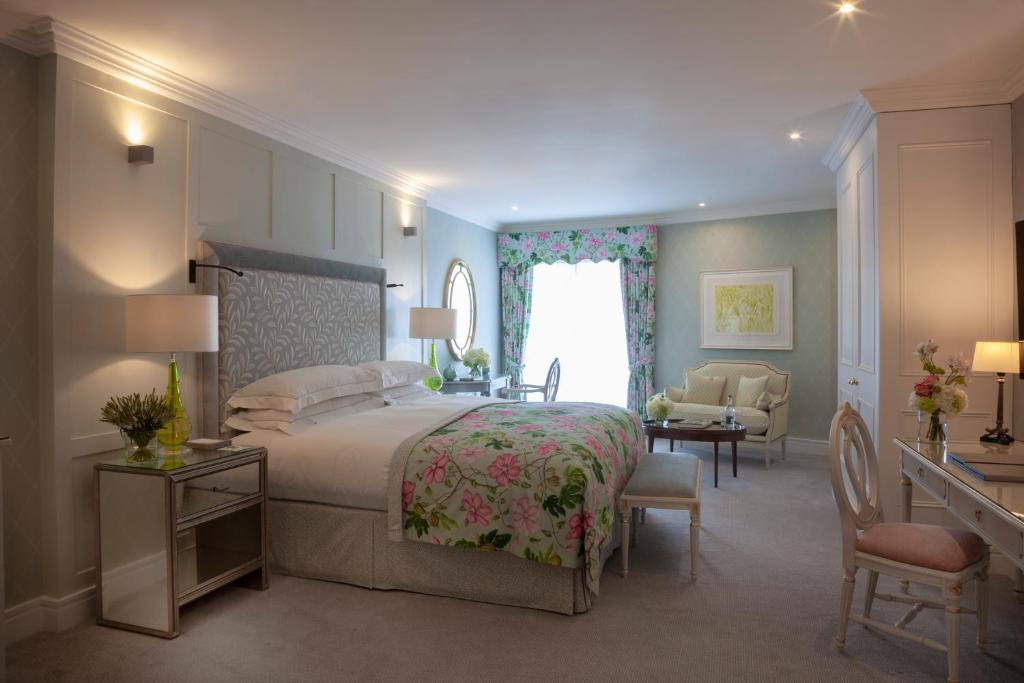
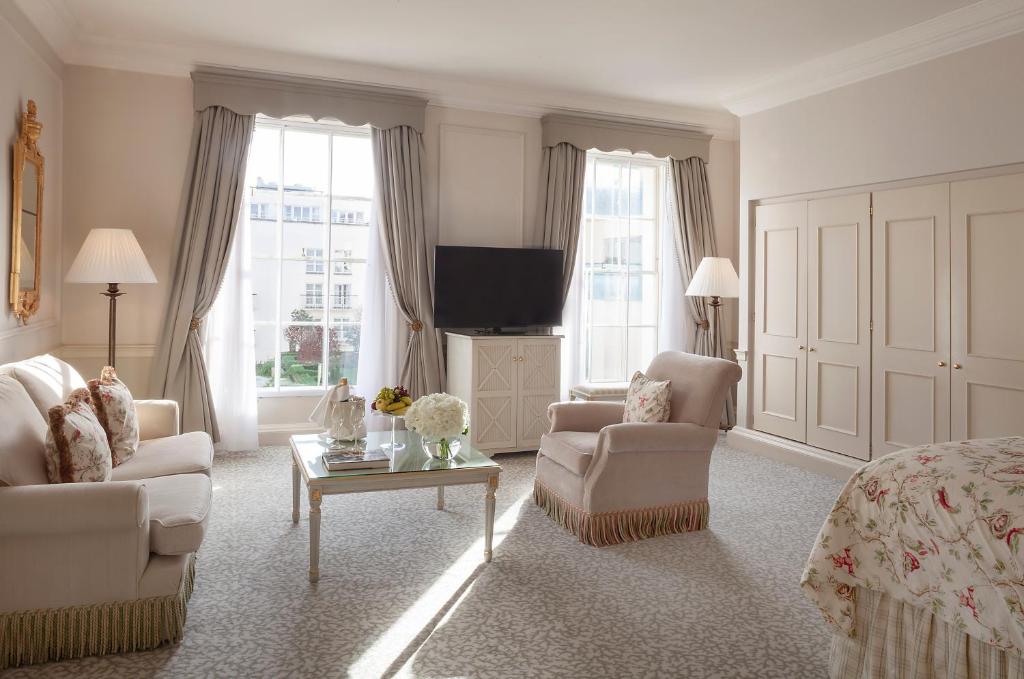
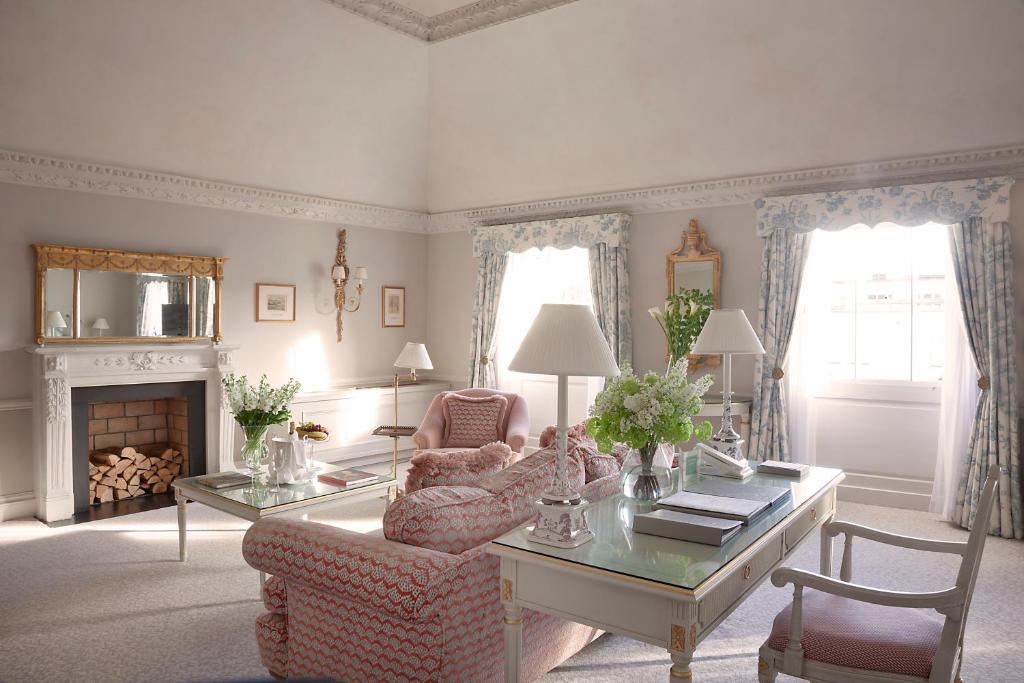
There are 123 rooms and 19 suites, each designed with restraint and consistency. The palette is soft—creams, greens, pale blues—meant to let the light do most of the work. Furniture is period-style but not precious. Technology is integrated, not displayed. The bathrooms are spacious, with Carrara marble, deep tubs, and walk-in showers. The entire experience feels practical, generous, and resolved. I stayed in a Junior Suite in the Main House—canopy bed, garden view, first-floor windows that opened onto the formal landscaping below. It was bright and balanced, with a few small gestures that stood out: a leather valet tray on the dresser, a Merrion-branded bookmark slipped inside the novel I’d left out, cables neatly tied with hotel-branded velcro straps.
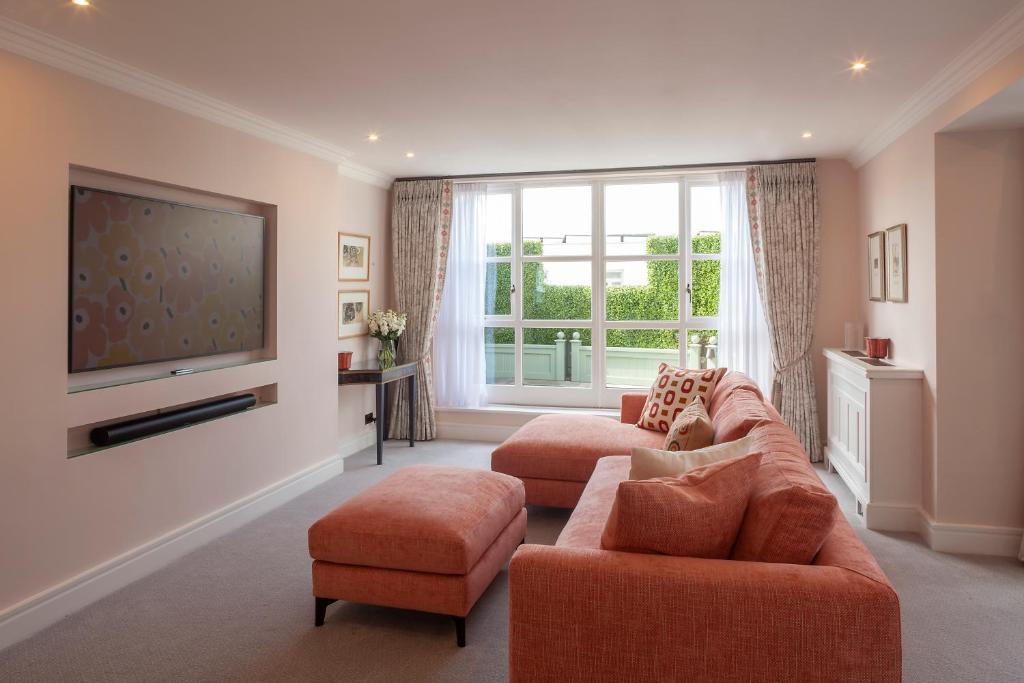
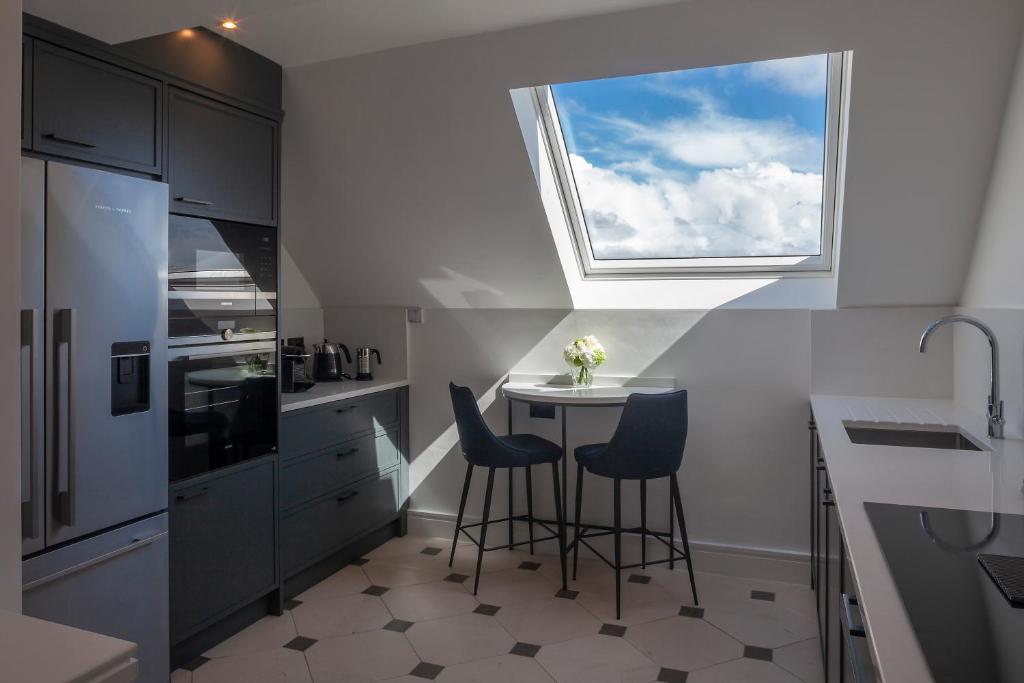
For even longer stays, the Lord Antrim and Lord Monck Suites offer separate living and dining areas, fireplaces, and space to properly unpack. But even the standard rooms feel complete.
Food & drink
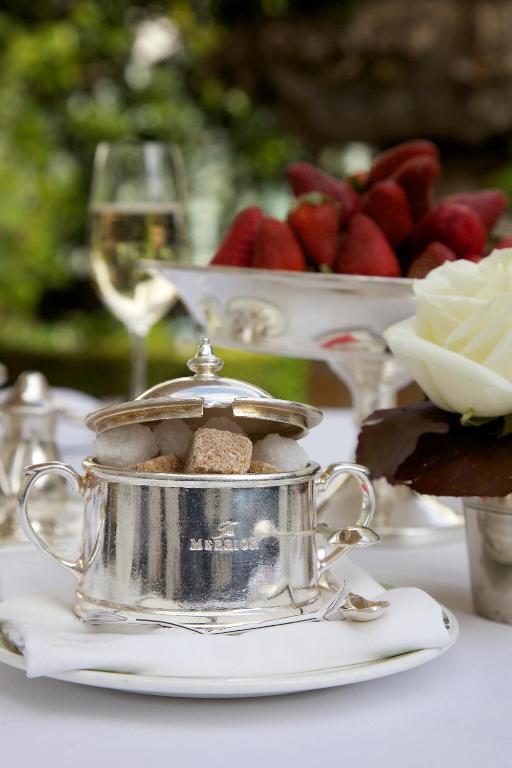
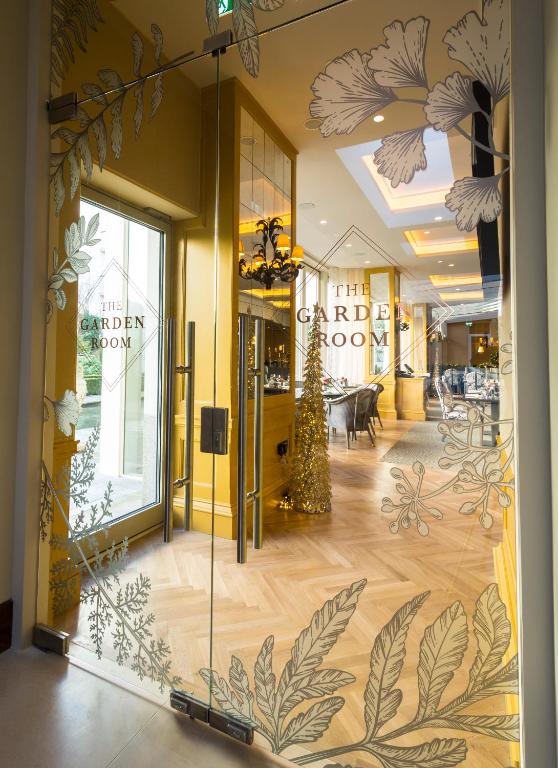
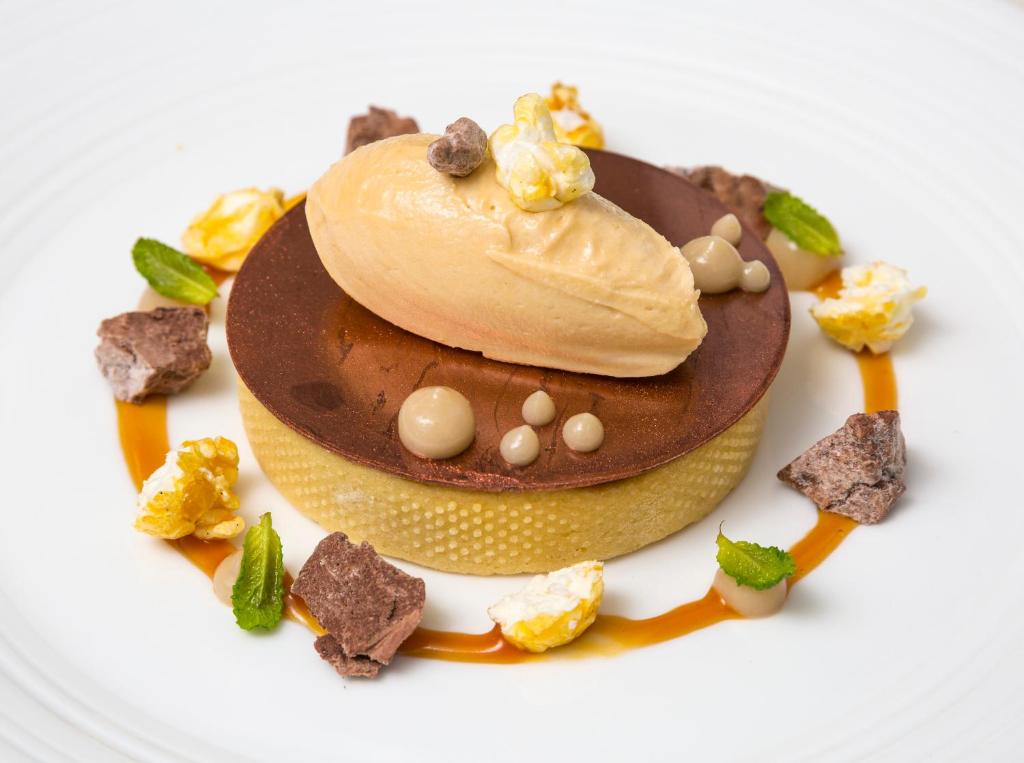
The Merrion takes a layered approach to food and drink. The Garden Room is the hotel’s all-day restaurant—a glass-lined, garden-facing space that changes character with the light. Mornings are quiet and unhurried, with à la carte breakfast included for all guests. In the evening, it becomes more atmospheric but remains understated. Afternoon tea is served in the Drawing Rooms, and remains one of Dublin’s most quietly enduring rituals. Guests and locals arrive mid-afternoon for a structured service that still feels relaxed—artful cakes, Irish tea, and a pace that encourages you to stay longer than you planned.
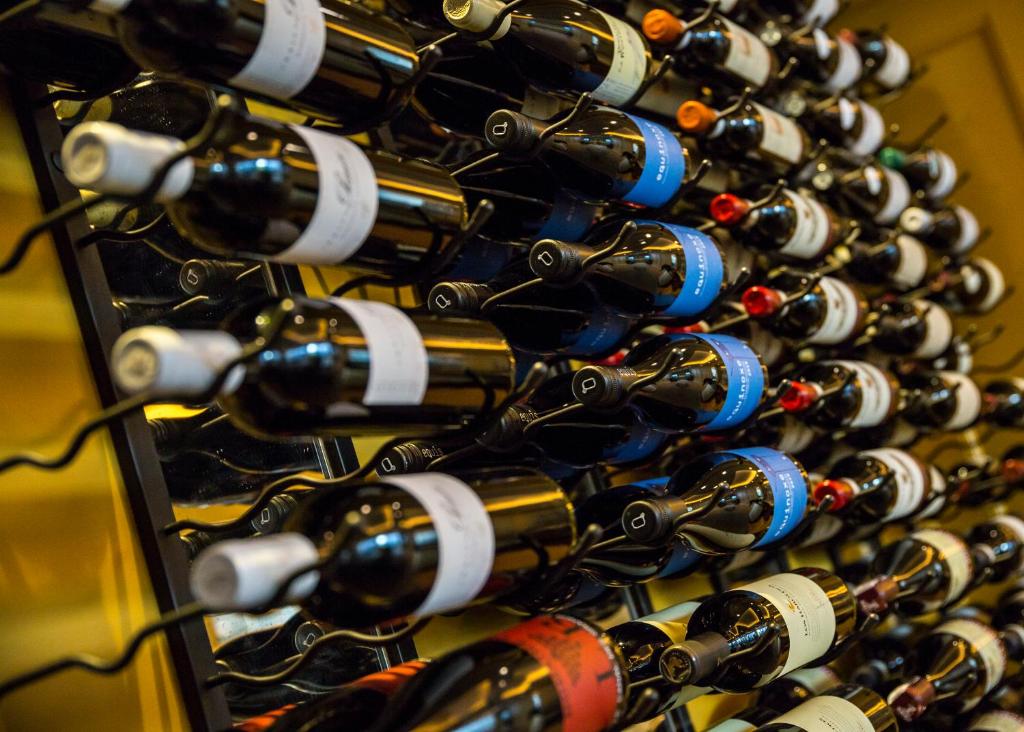
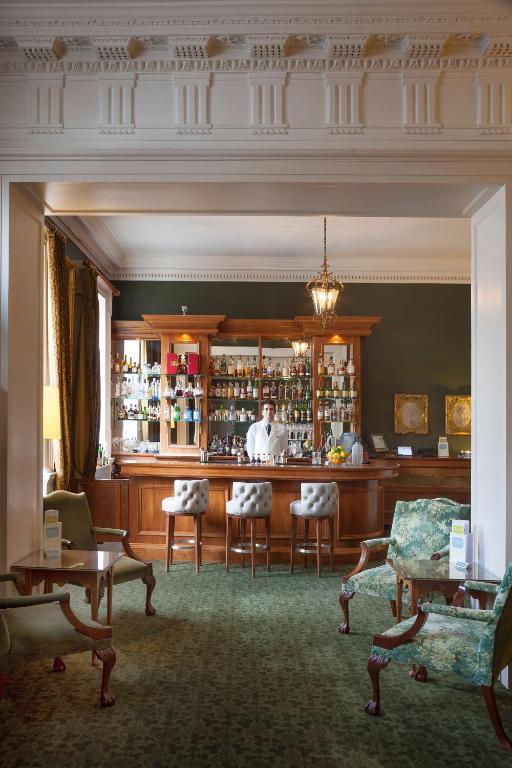
Downstairs, the Cellar Bar—set in the hotel’s original wine vaults—offers a more casual option: warm wood, stone walls, and a short but well-done menu. For fine dining, Restaurant Patrick Guilbaud, Ireland’s only two-Michelin-star restaurant, is located on property but operated separately. Booking ahead is essential.
The spa
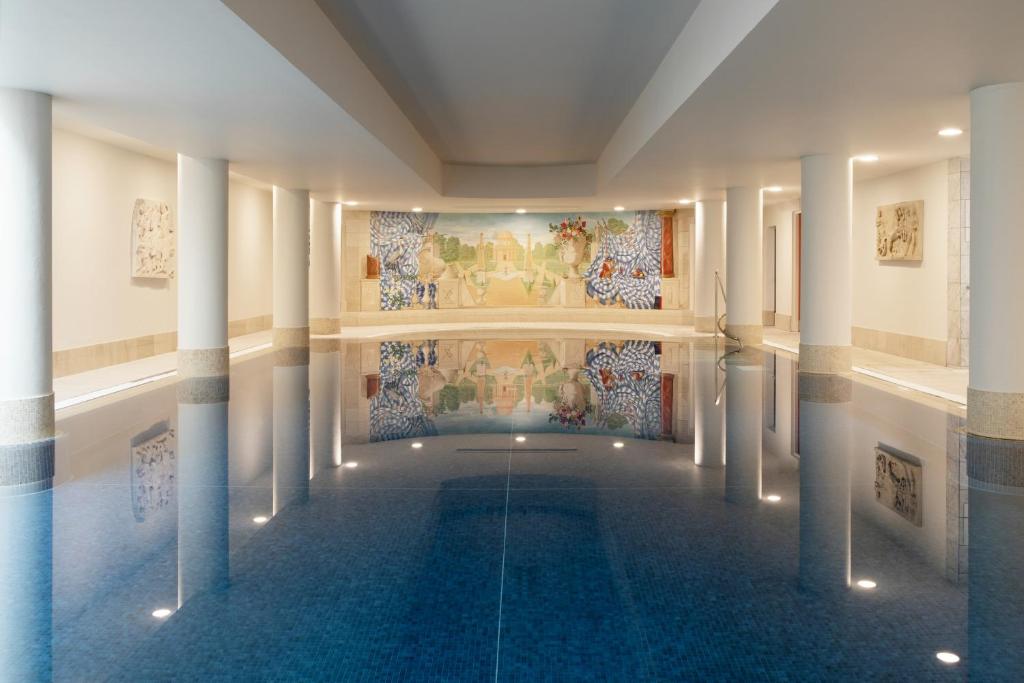
Below the Garden Wing, the Merrion Spa and Health Club offers a quiet change of scene. The design is pared back: neutral tones, soft light, and a 20-meter pool that feels almost private. There’s a stillness here that’s rare, even in high-end hotel spas. Treatments range from standard massages to longer restorative sessions. The Merrion Signature Package includes a facial, massage, and lunch in The Garden Room—ideal if you’re checking out that afternoon. The Sunday Night Reset, a newer offering, is geared toward locals or guests transitioning from a weekend to the work week.
The neighborhood
Upper Merrion Street is in the heart of Georgian Dublin, but the area resists the usual city-center noise. Just across the street are the Government Buildings, with Merrion Square and the National Gallery of Ireland a short walk away. A few minutes further is St. Stephen’s Green, and from there, Grafton Street and the city’s best cafés and shops. Despite the proximity, the hotel feels removed. The surrounding streets are wide and quiet, and most traffic is foot-based. You’re a 10-minute walk from Dublin’s liveliest areas, but the atmosphere around The Merrion remains calm. It’s ideal if you want access without immersion. The area is also deeply tied to Dublin’s literary and political history: Wilde, Yeats, Beckett—all passed through these streets. That sense of legacy lingers in the neighborhood’s architecture, the trees, the pacing. It’s a neighborhood that doesn’t need to be “up-and-coming”—it already arrived centuries ago.
The service
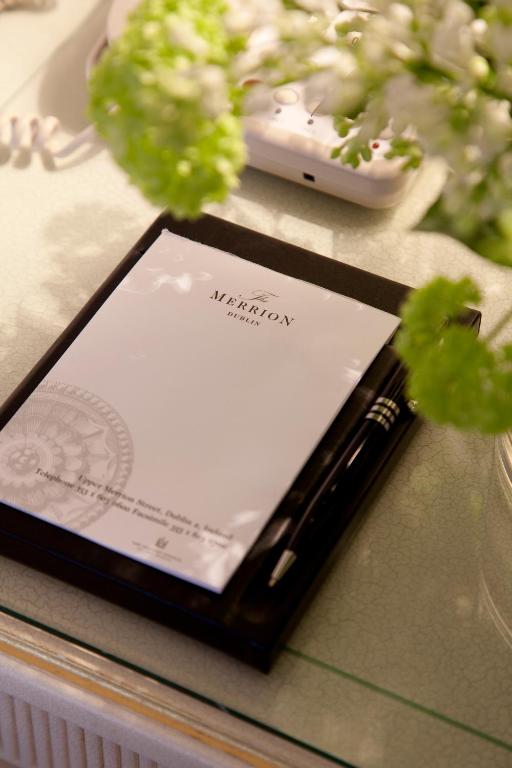
Service at The Merrion is defined by observation. No one hovers nor repeats your name unnecessarily. But everything you might need appears quietly and quickly. During my stay, housekeeping noticed the tangle of tech cables by the desk and returned with tidy branded cable wraps. A bookmark was placed in my book left on the table. The in-room coffee machine—tucked inconveniently in a cupboard—was moved and plugged into a better outlet. Each night, slippers were laid on a mat beside the bed with water replenished and lights refreshingly softened. I felt taken care of and cozy, and more than happy to chat with the smiling staff from the front desk to the dining areas.
Sustainability
The Merrion has fully transitioned to 100% renewable electricity, cutting its annual carbon output by more than 1,200 tonnes. LED lighting, energy-efficient plumbing, and smart heating systems are used throughout the property. Behind the classic interiors is a hotel running on systems built for the future, not the past.
Accessibility
The Merrion offers a full range of accessible accommodations, including a dedicated ADA-compliant suite. Public spaces are thoughtfully designed with ramp access, elevators, and wheelchair-accessible restrooms. Six accessible parking spaces are located onsite, and wheelchairs are available to borrow. In-room features include portable shower seats, roll-in showers, and reachable lighting and phone controls.
Anything left to mention?
Service animals are welcome on the property, with documentation confirmed before arrival.
Upper Merrion St., Dublin, D02 KF79
Ireland
https://www.lhw.com/
+353 1-603-0600