




Why book?
This is the Caprese bolthole to book when you’re in the mood for privacy and solitude without sacrificing proximity to the main social fray—or rather, society—of in-season Capri.
Set the scene
Getting into Capri is a hectic affair. If you’re not blessed with a private yacht, the usual itinerary goes: Arrive at the train station in Naples, transfer to the marina, take the ferry to Capri, climb the cliffside roads up to the piazzetta, and walk to your resort of choice. So it was a gift when Punta Tragara staffers reassuringly whisked away my bags (to take my trunk and duffel to the hotel ahead of me), chauffeured me to the tiny piazza, and gave me directions for the 15-minute stroll to the property—since much of Capri town is pedestrian.
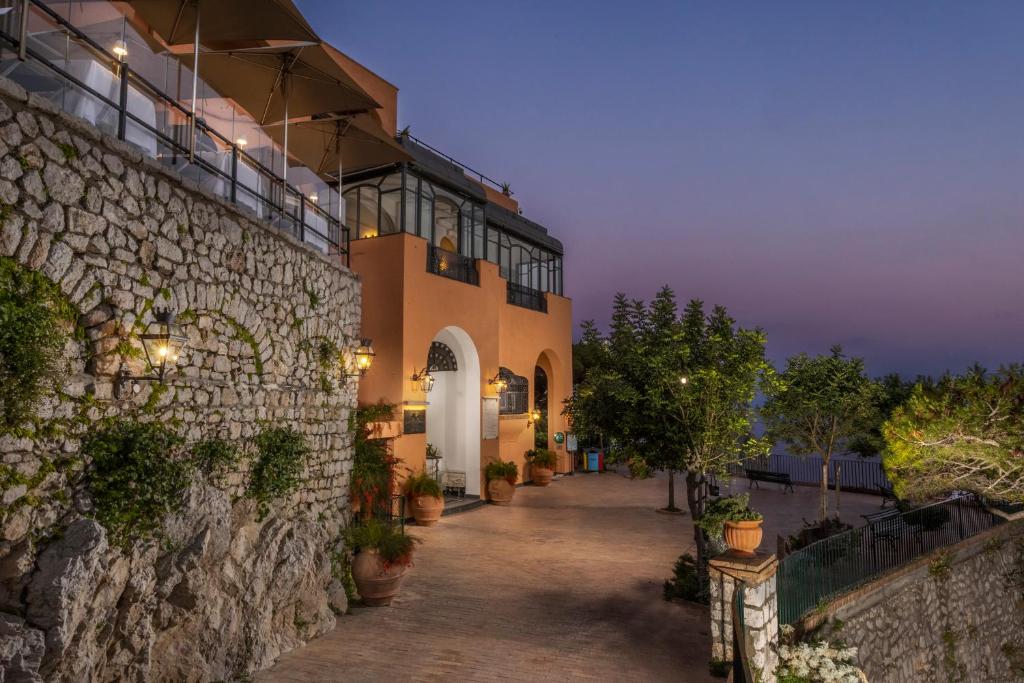
Sure, I got lost, but there were plenty of maps on the island (“Voi siete qui.”), so I followed the dotted line to Belvedere Tragara, the lookout point itself. I was met with sweeping vistas of the bay of Marina Piccola on the opposite side of the island from Marina Grande, where most visitors arrive. There was a fair amount of tourists on the observation deck, behind which sits Punta Tragara.
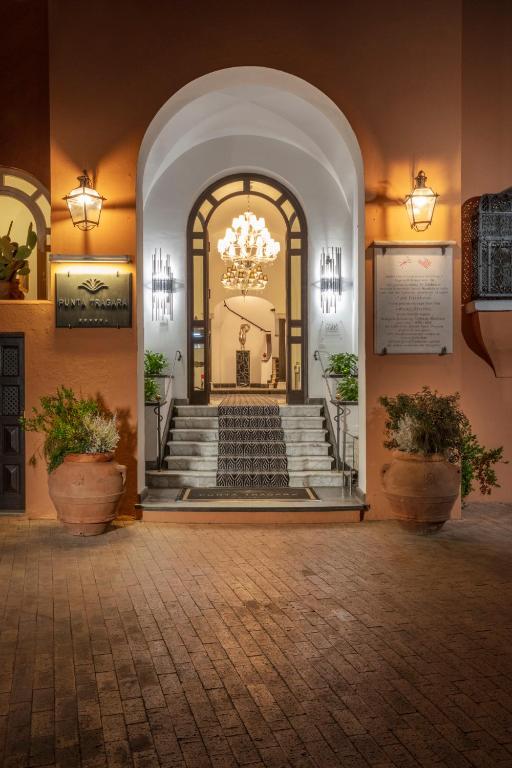
When I entered the lobby to check in, the front desk welcomed me with a cold glass of lemonade—concocted, naturally, with limone di Capri. My fellow guests were visitors who I had seen on the ferry from Naples: a very international crowd (no one’s first language was English, but they all spoke it as a bridge language to communicate with the staff) and a well-heeled one at that, decked as they were in linen and Loro Piana, wearing Chopard brooches at breakfast the next day. That said, they were at Punta Tragara not for the society scene, but for the seclusion and respite the property’s location offers.
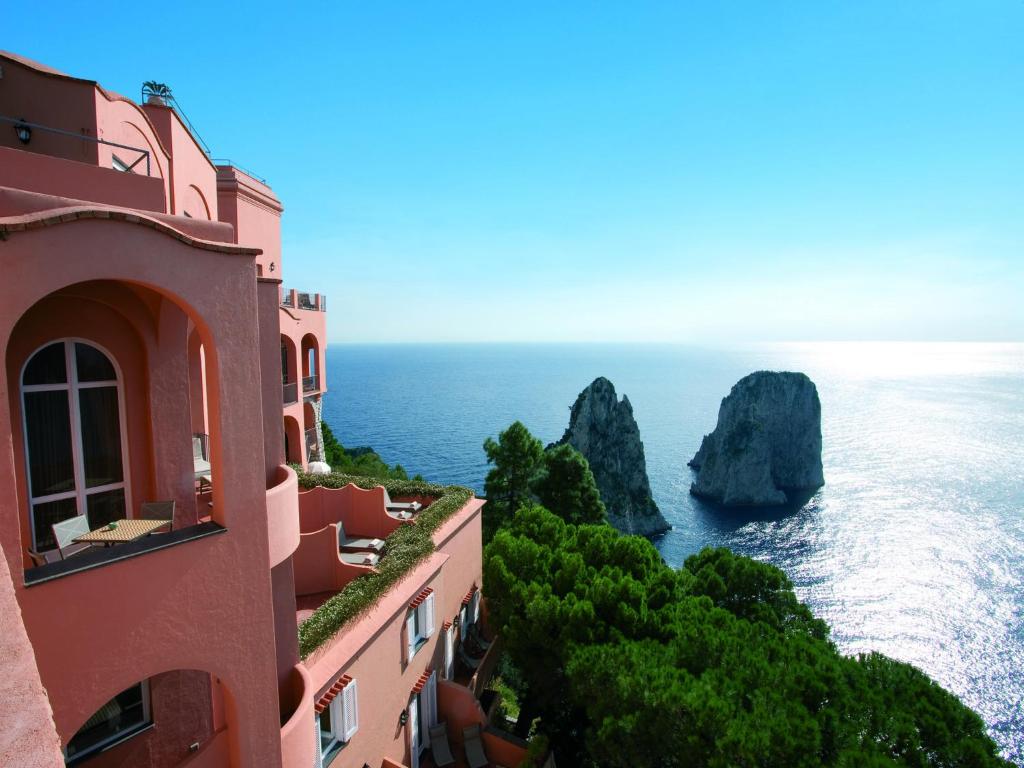
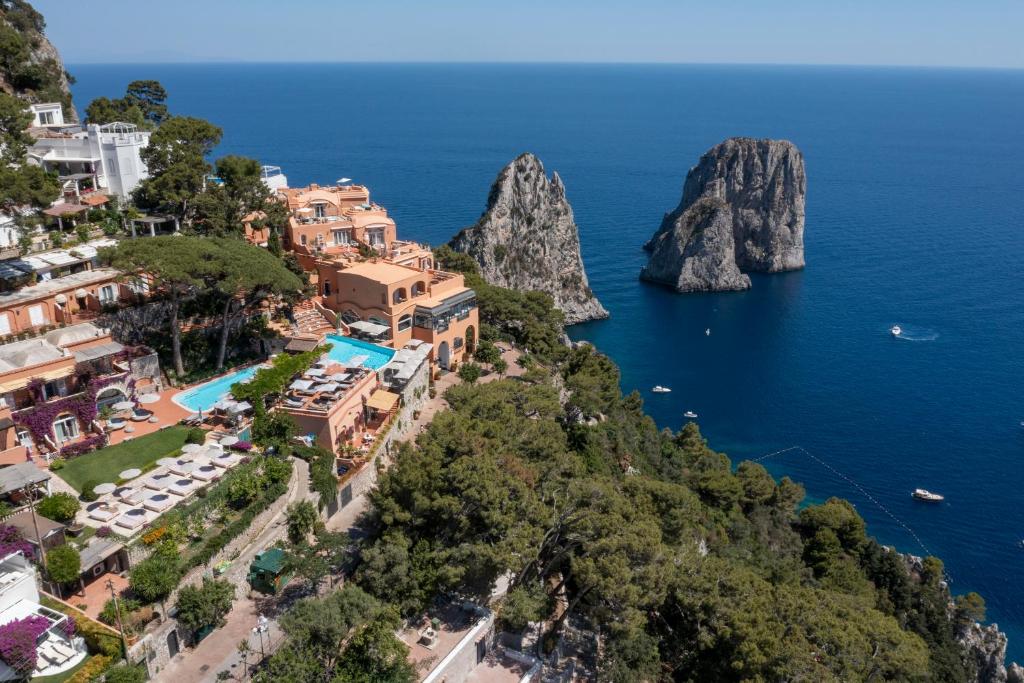
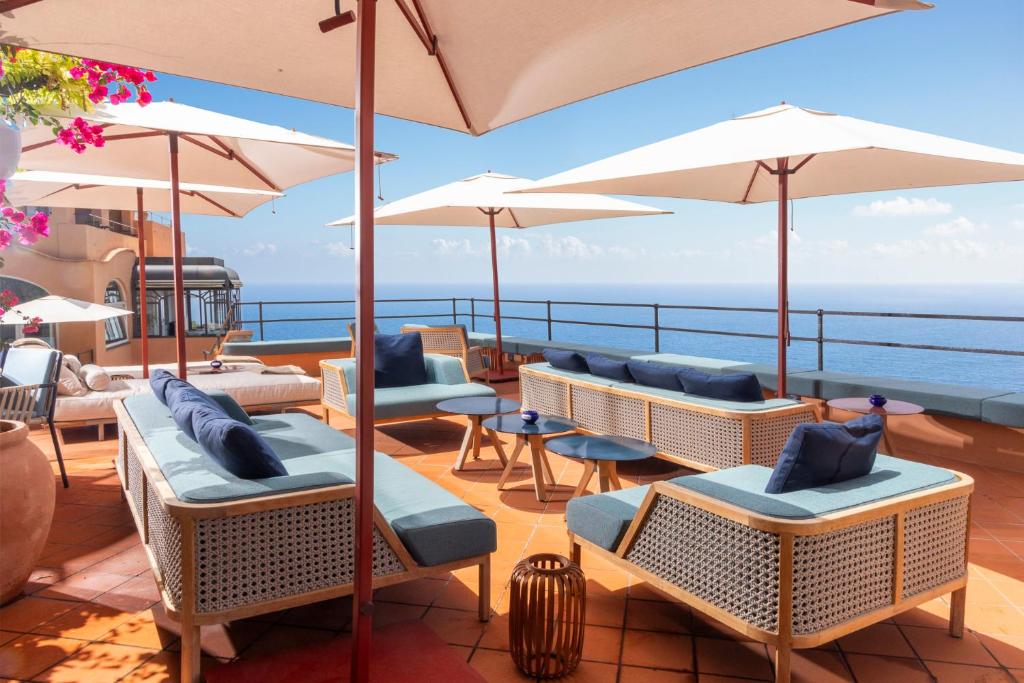
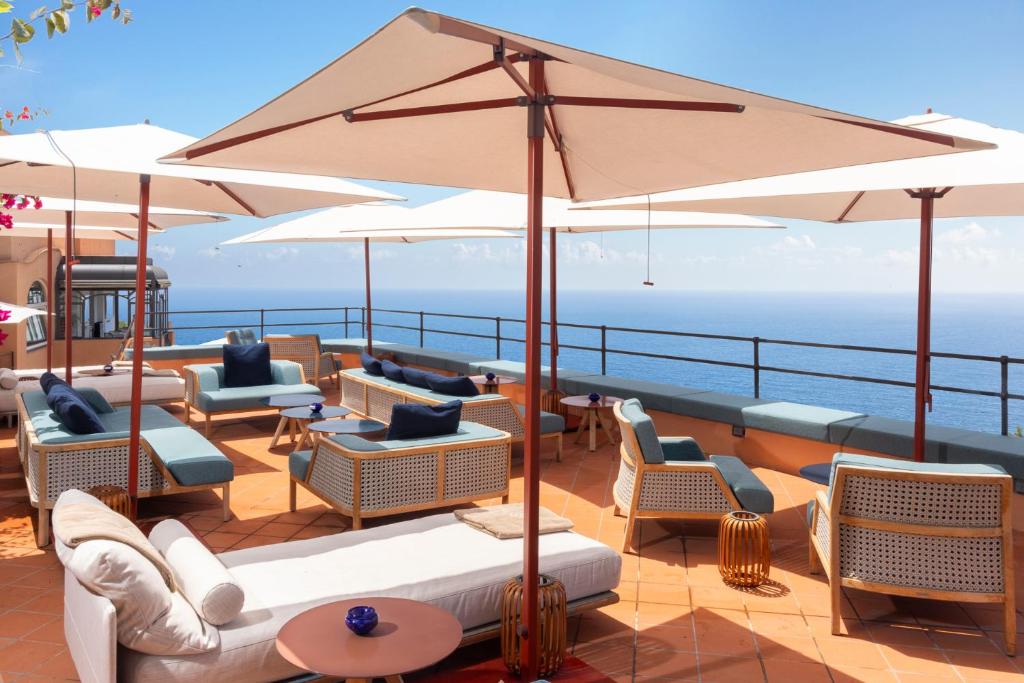
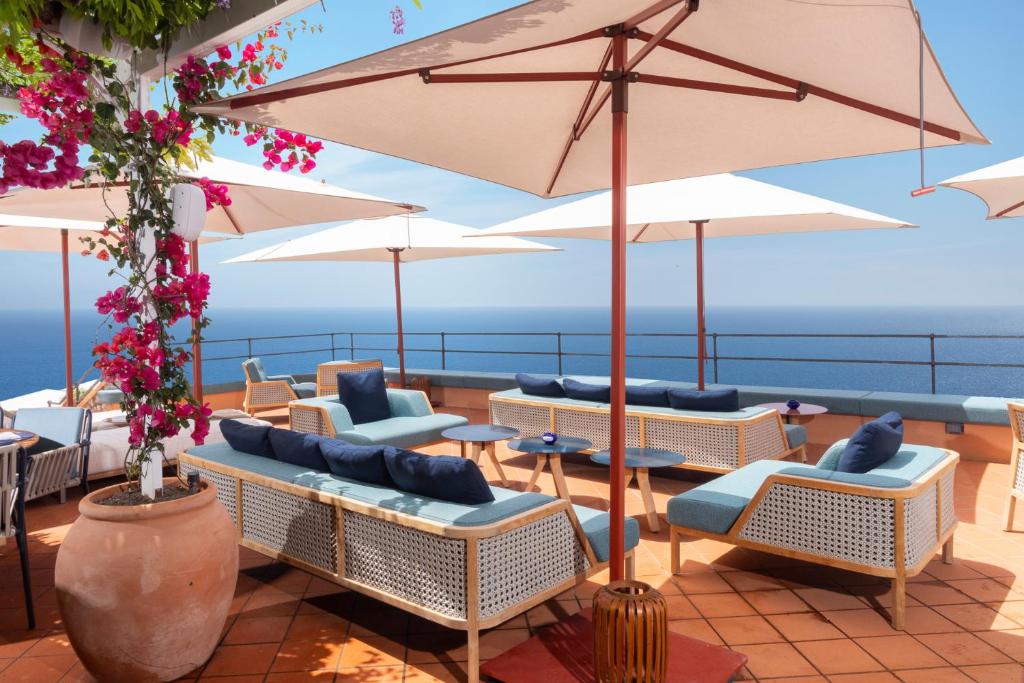
The proximity to the famous Faraglioni Rocks and the deep-blue waters of the Mediterranean are a nice bonus too. When I stepped out onto my room’s terrace on the fifth floor, I saw the tourists below on the deck, taking selfies with the Mediterranean as their reward for the hike to get here. I treasured the fact that, to get this view, all I had to do for the weekend was wake up.
The backstory
There’s a subtle grandeur to Punta Tragara, and its history is a reflection of its quiet confidence. The main building was originally a private villa designed by Le Corbusier in the 1920s. In World War II, it acted as headquarters for the American Command, hosting guests like Churchill and Eisenhower. The Roman aristocrat Gofreddo Manfredi bought the villa in 1968 and turned it into a luxury hotel, the centerpiece of the Manfredi Fine Hotels Collection (it has a sibling property in Palazzo Manfredi, in Rome). Though less in-the-scene as its five-star peers like Grand Hotel Quisisana, Hotel La Palma, or Albergo La Minerva, Punta Tragara occupies a specific niche in the Caprese landscape: a hideaway and well-positioned vantage point where guests never lose sight of Capri’s natural beauty.
The rooms
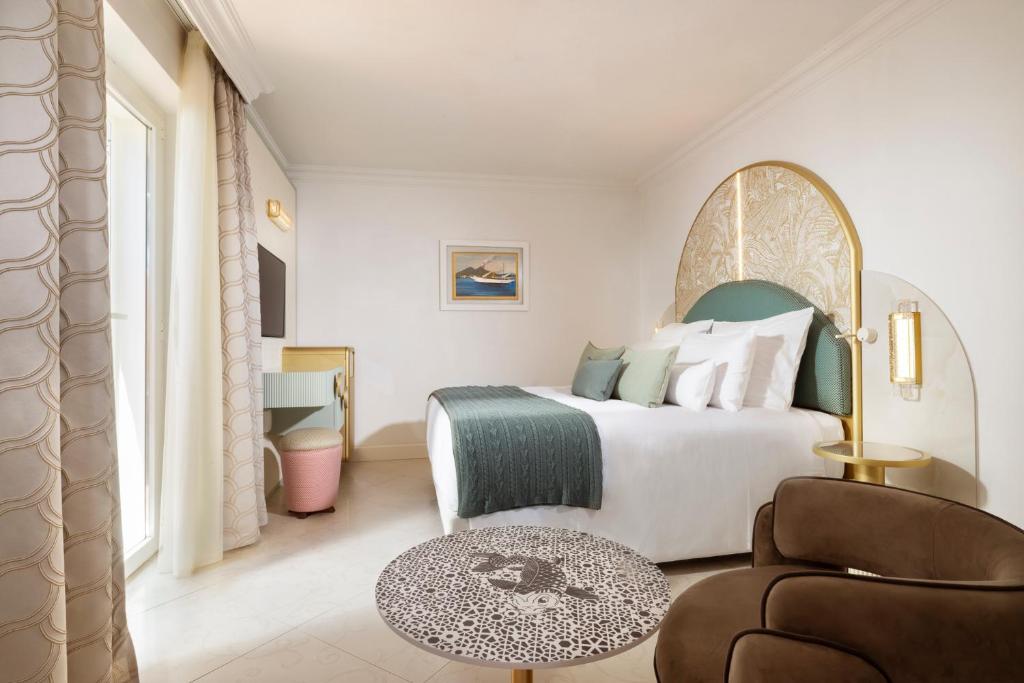
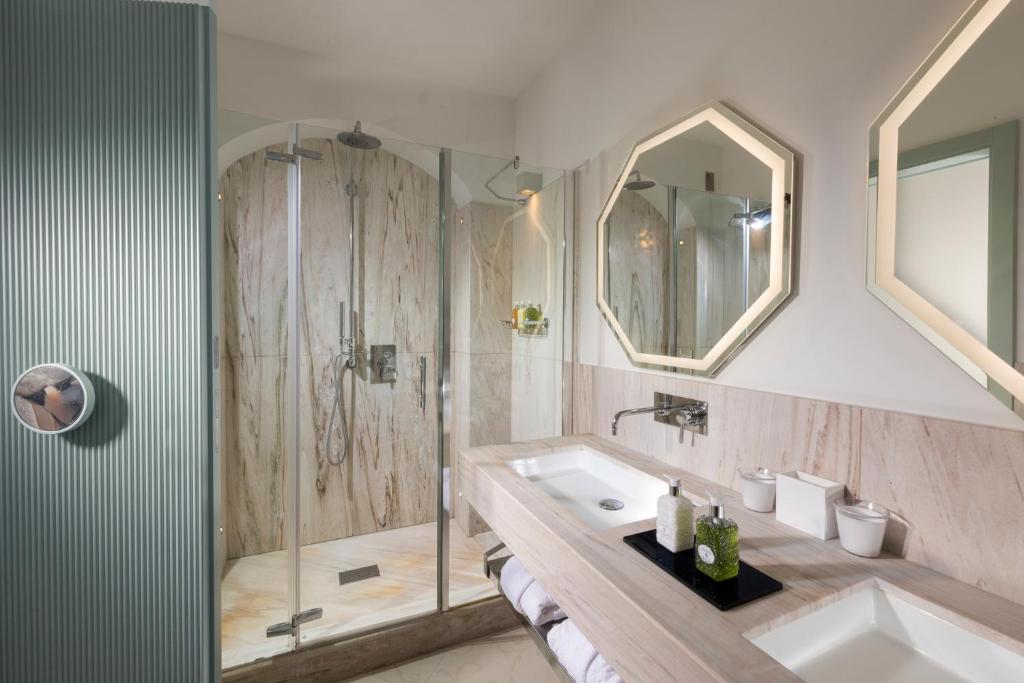
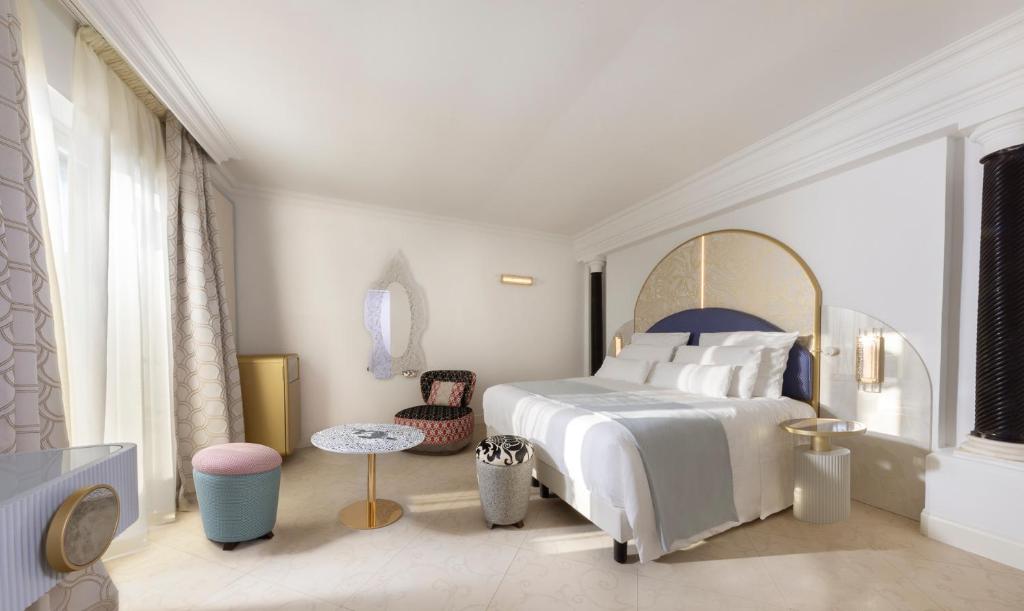
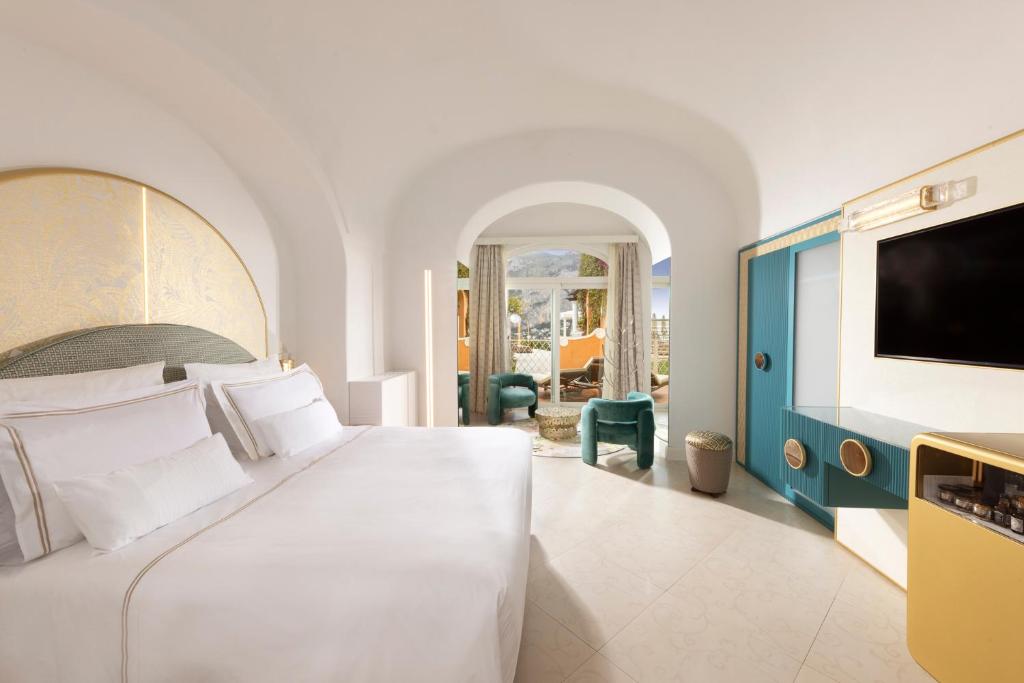
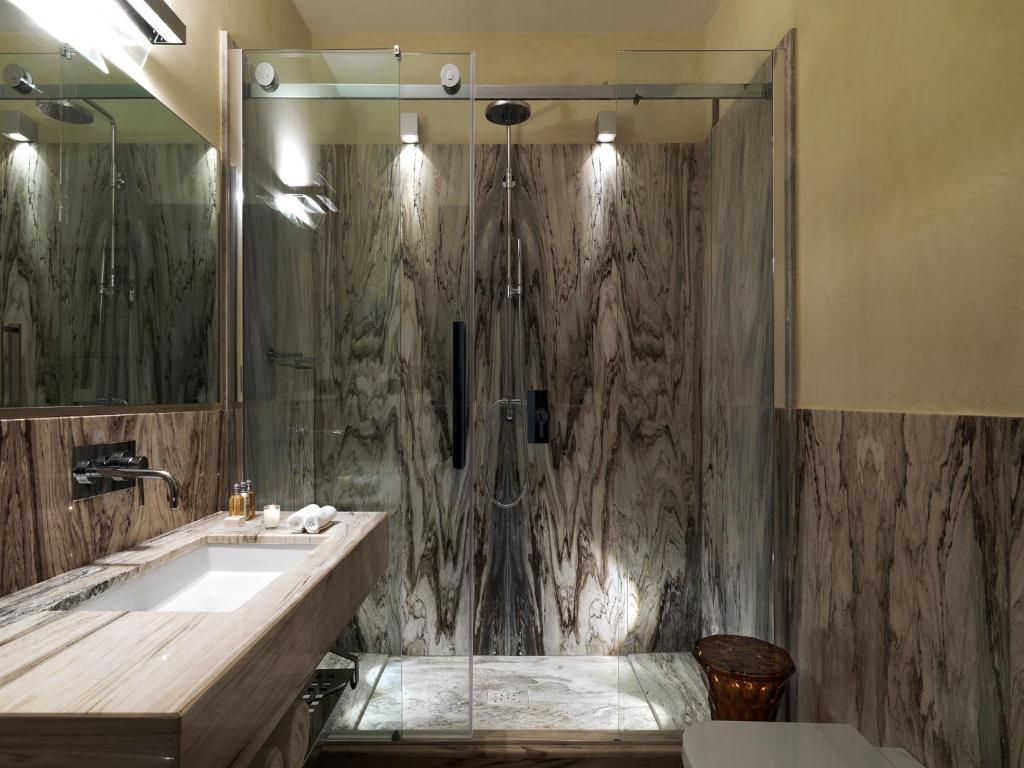
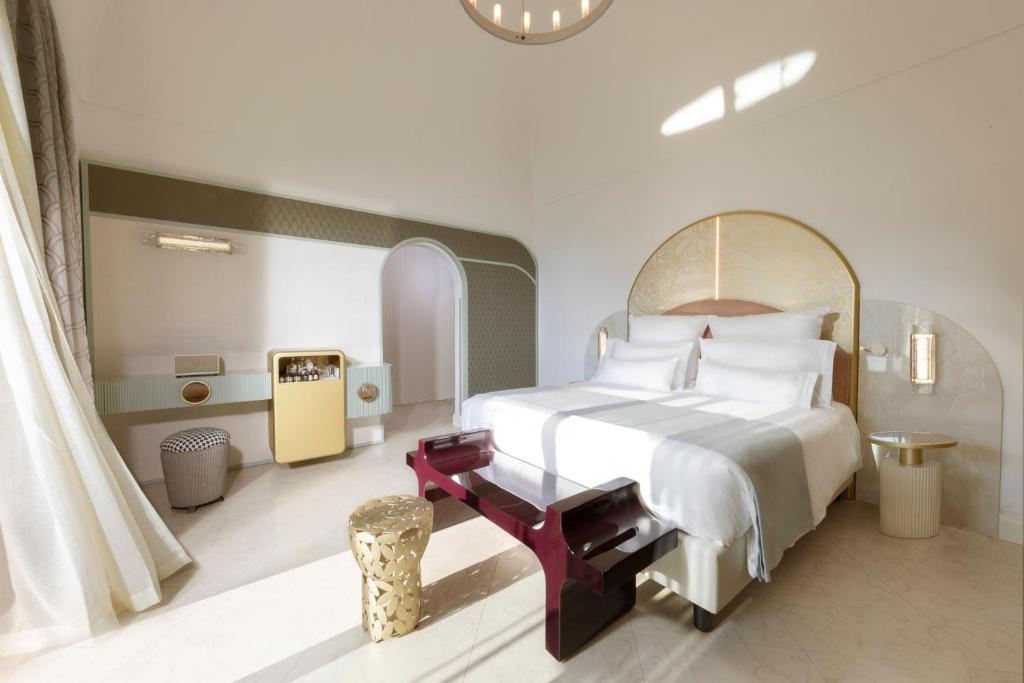
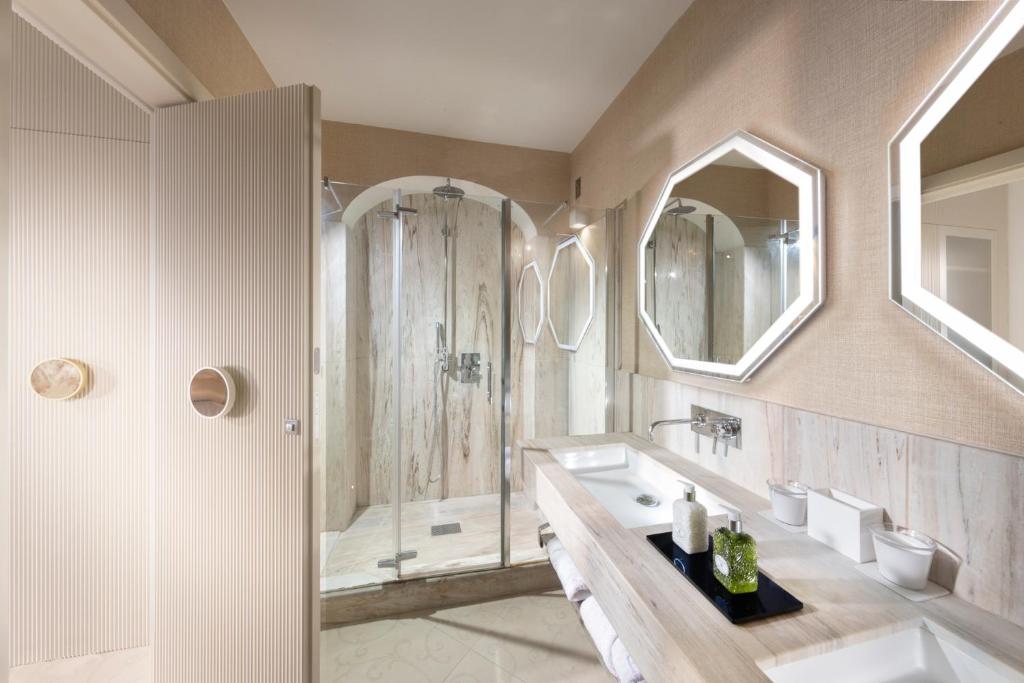
Punta Tragara has 44 rooms and suites, and each is uniquely designed. The base-level rooms are called “master deluxe” rooms, though they’re quite spacious at an average of about 385 square feet; while the junior suites have separate living and sleeping areas. Of course, all rooms have some view of the ocean, the property’s major draw. If you’re up for it, I recommend booking one of the four signature suites, all characterful boltholes that interplay with the landscape of Capri: the Faraglioni Suite, inspired by the eponymous rocks, with a private terrace that has sitting and dining areas; the Certosa Suite, with panoramic windows and named after by the nearby monastery, Certosa di San Giacomo; the terraced Art Suite, with a bathtub positioned next to a window so it’s as if you’re taking a soak above the sea—and the room I had for my stay, the Pegaso Etro Suite.
This penthouse unit clocks in at nearly 1,000 square feet, with a good chunk of the floor space dedicated to a massive terrace with sitting and dining areas, big enough for a private birthday party (which, I suspect, often happens at the hotel). As the name suggests, the Etro Pegaso Suite suite has a pegasus theme as interpreted by Etro, the Italian fashion house founded in the late 1960s: winged-horse details abounded, all done up in the label’s signature paisley, with pops of charmingly fruity and vegetal colors—celery and carrot, kiwi and tangerine—against sober yet warm grays. Additionally, I was pleased to find touches that encouraged me to fully unpack my trunk: suede-lined drawers in the dressers, plenty of catch-all bowls; and a substantial closet with lots of hangers.
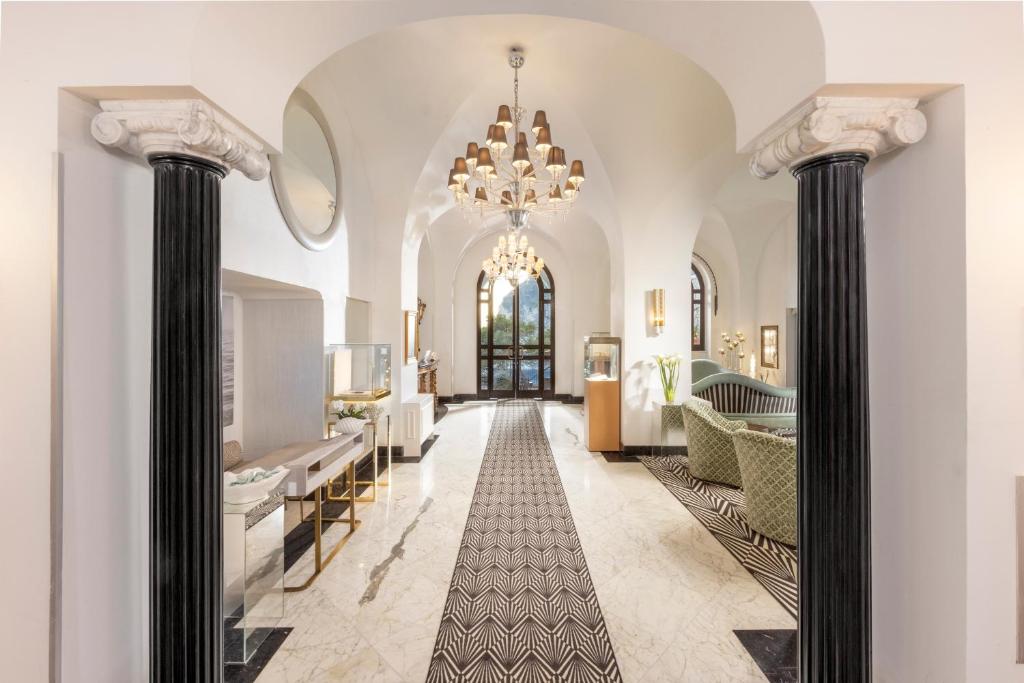
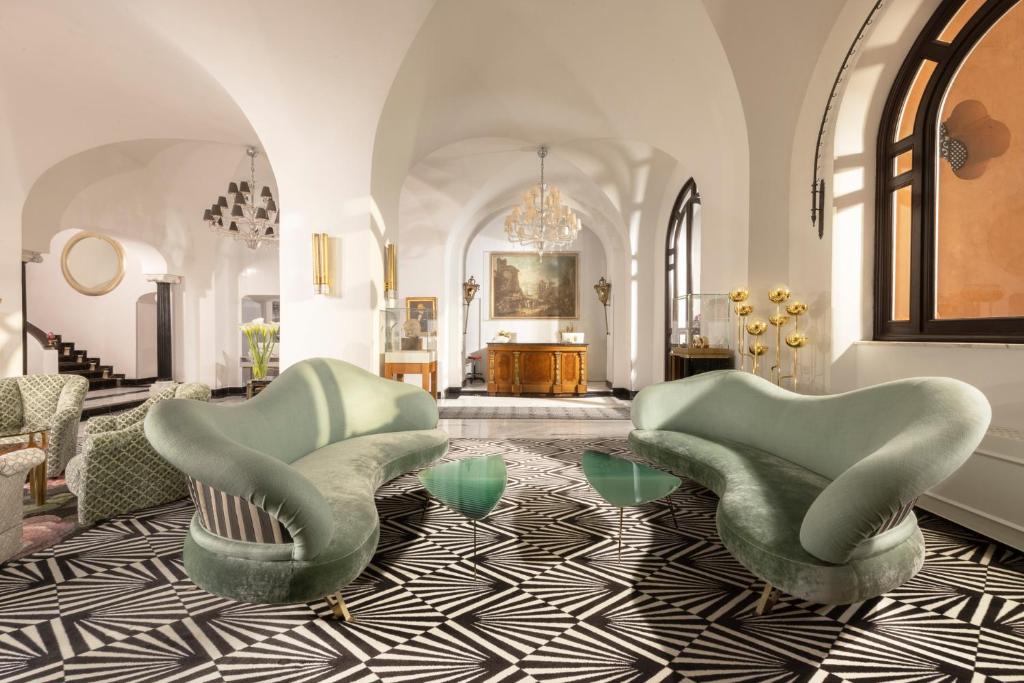
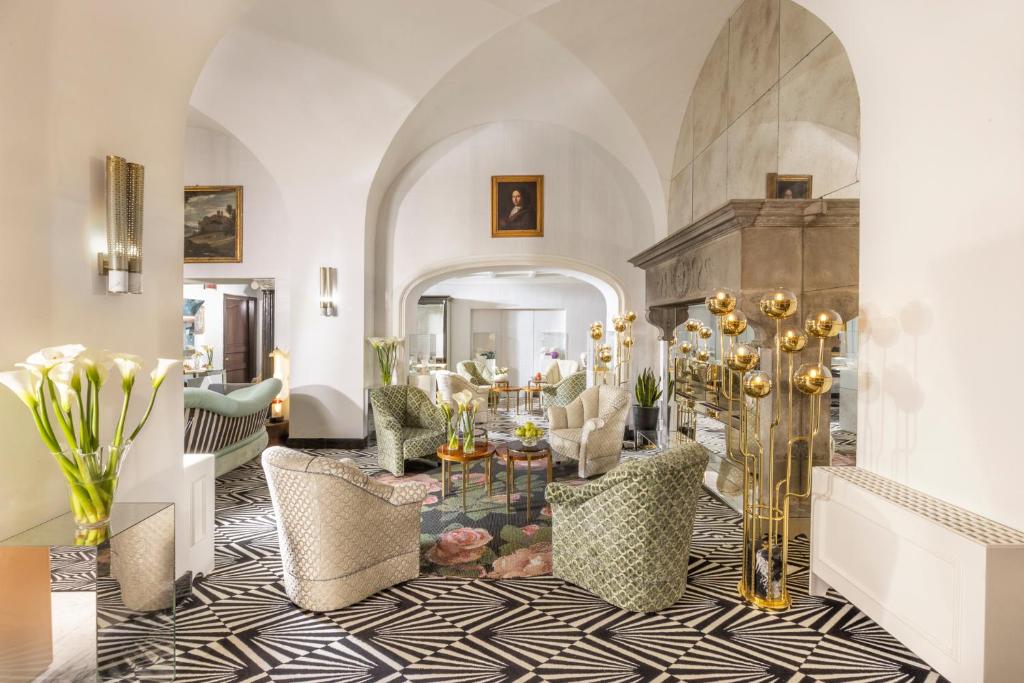
Throughout the hotel, the aesthetic is polychromatic and eclectic, kind of giving “your favorite old-money but left-leaning uncle who is a count and has a completely unironic though not entirely campy taste in interiors.” What I mean to say is that I wholeheartedly loved it. Perhaps my favorite detail is indicative of the vision: a ceramic unicorn head “trophy” hung to the wall with a pale pink Calla lily where its spiral horn should be.
Food and drink
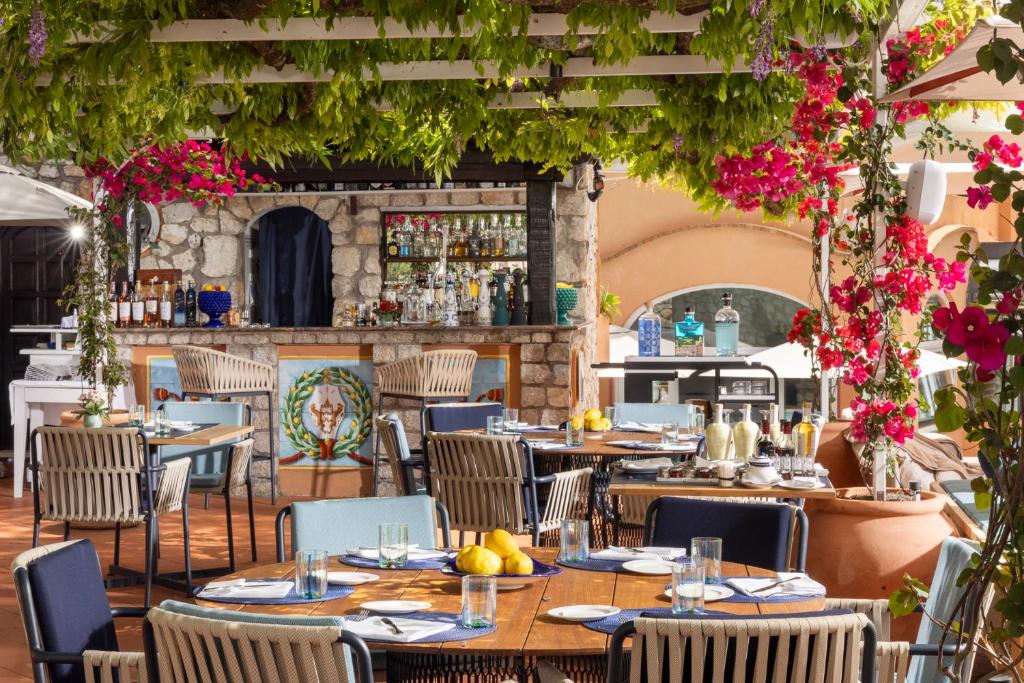
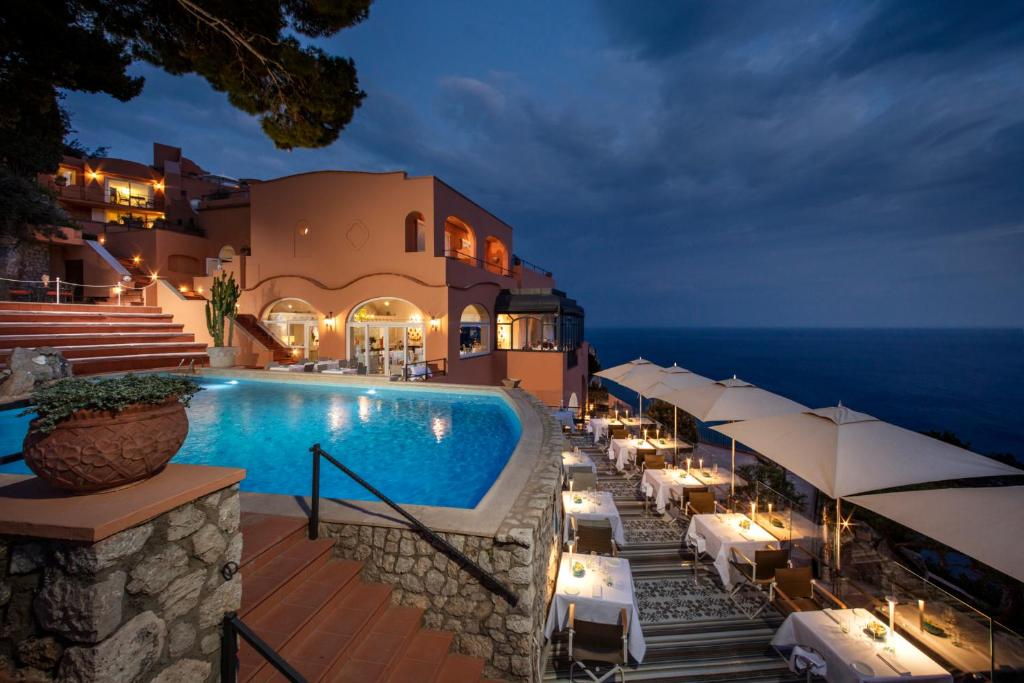
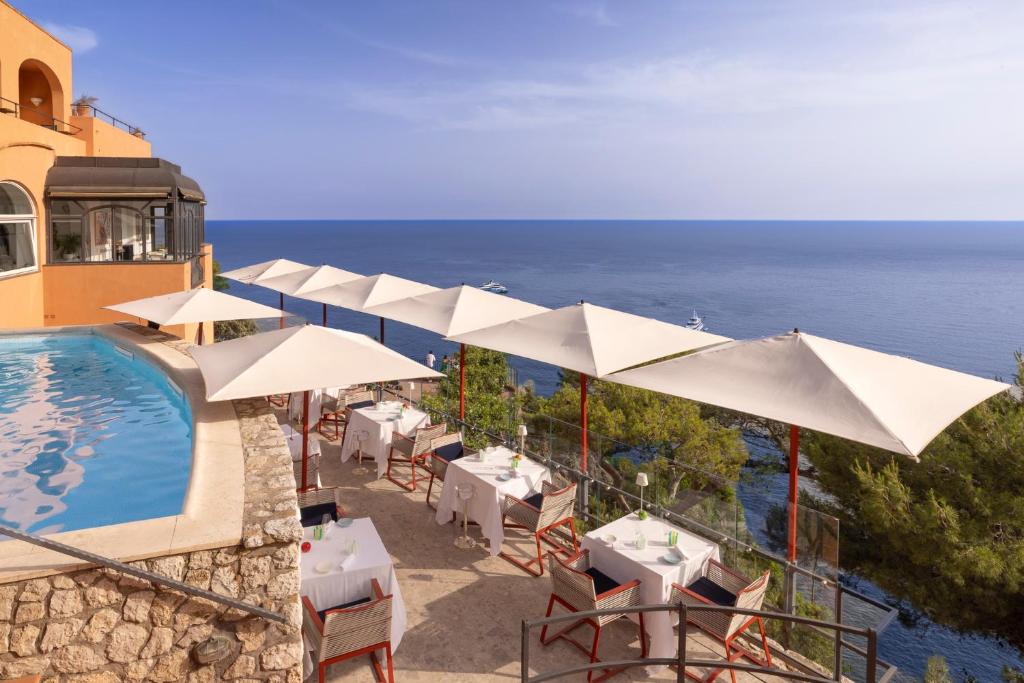
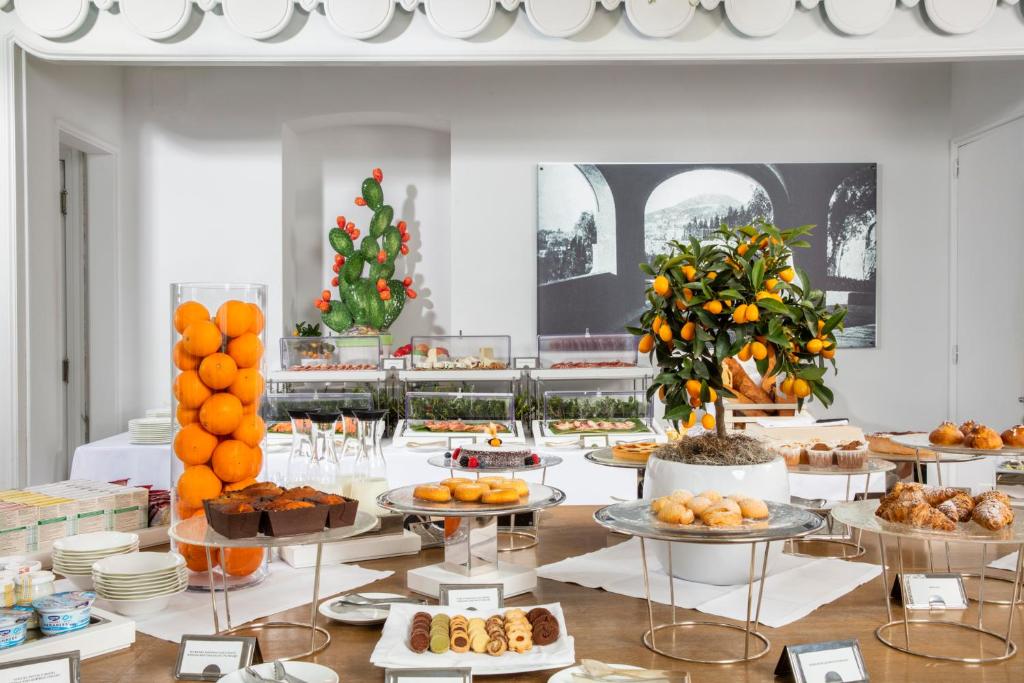
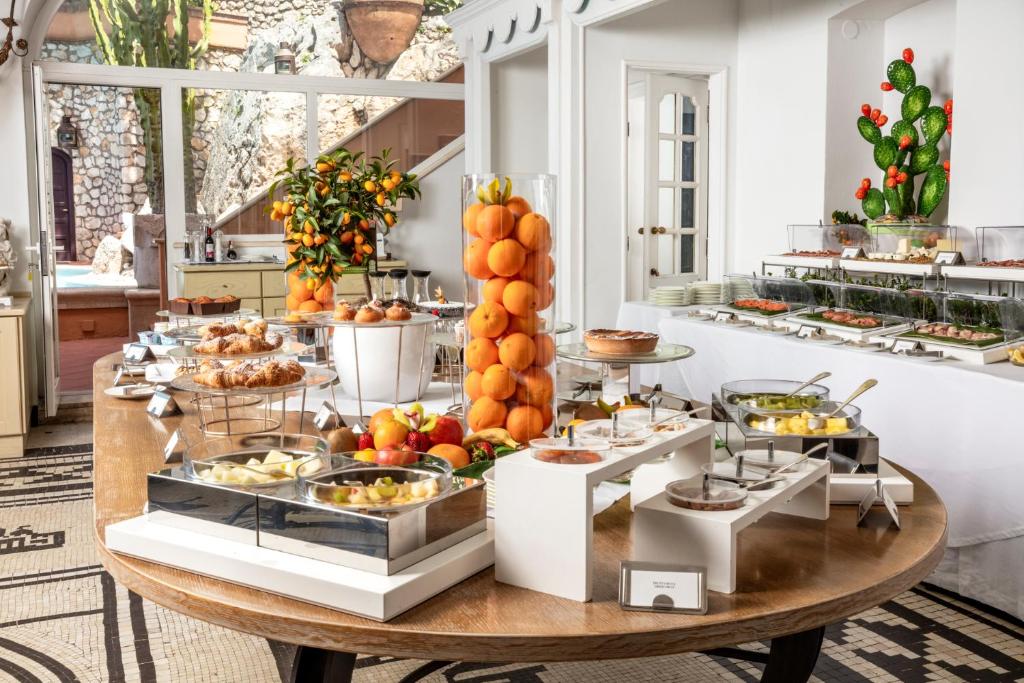
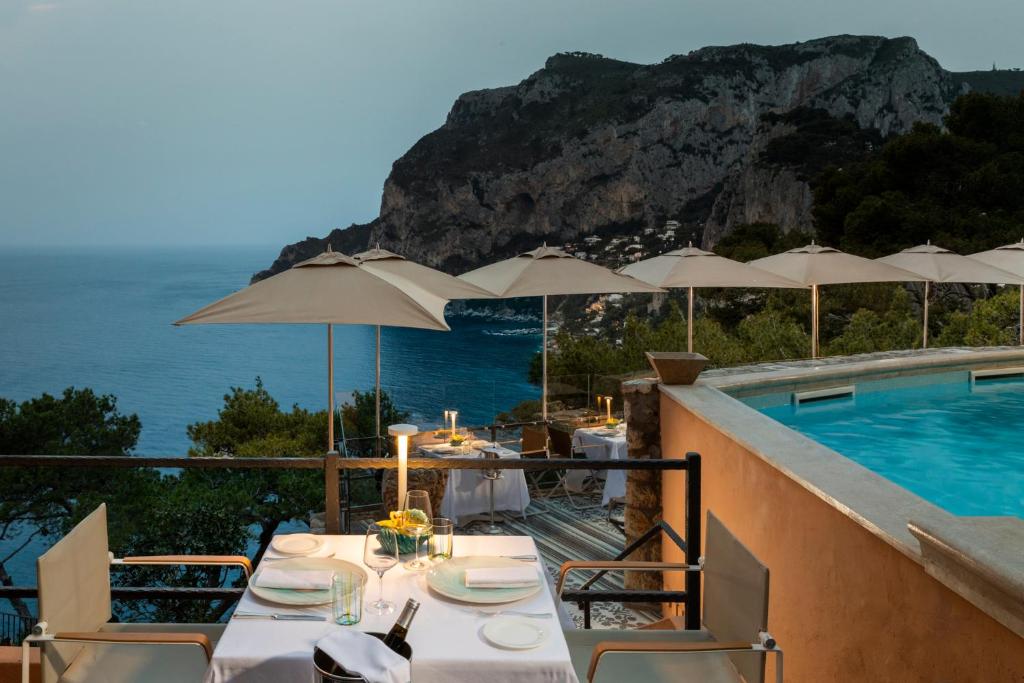
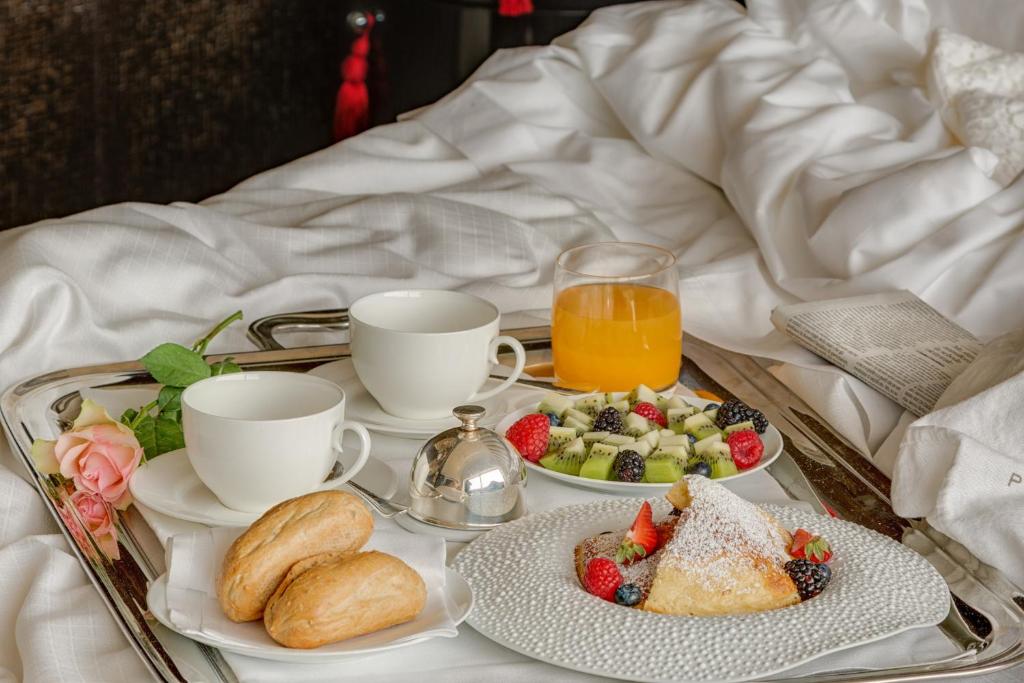
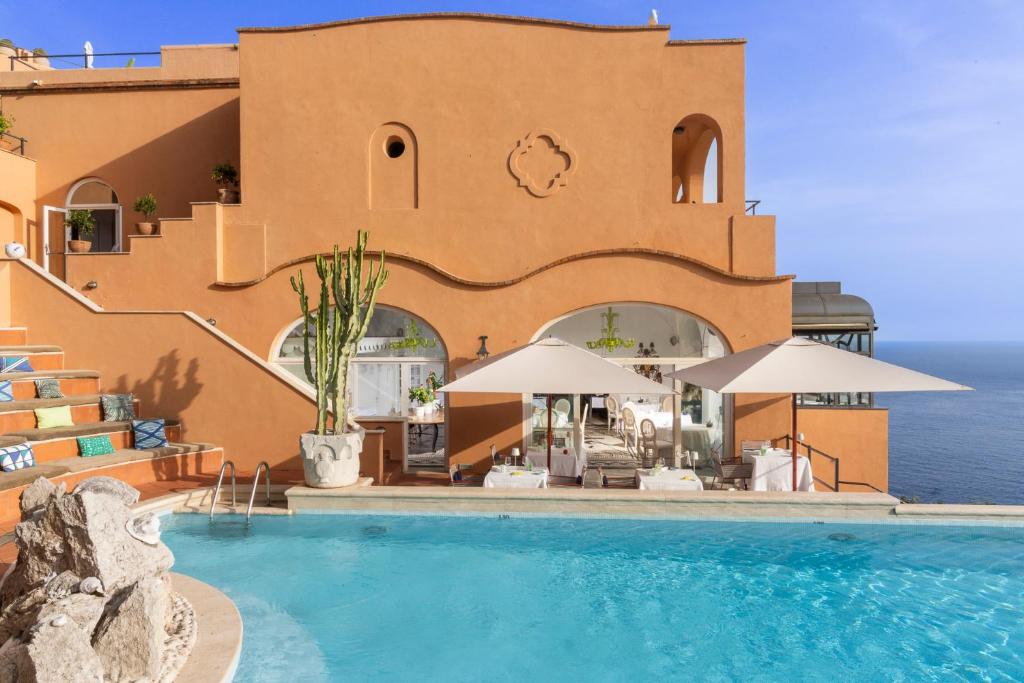
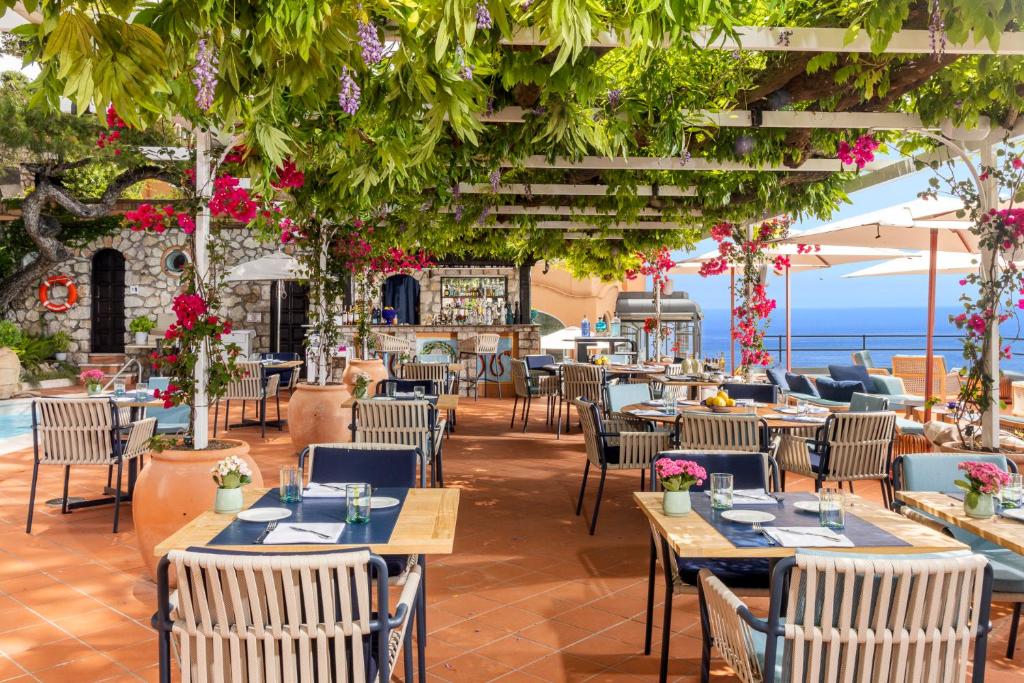
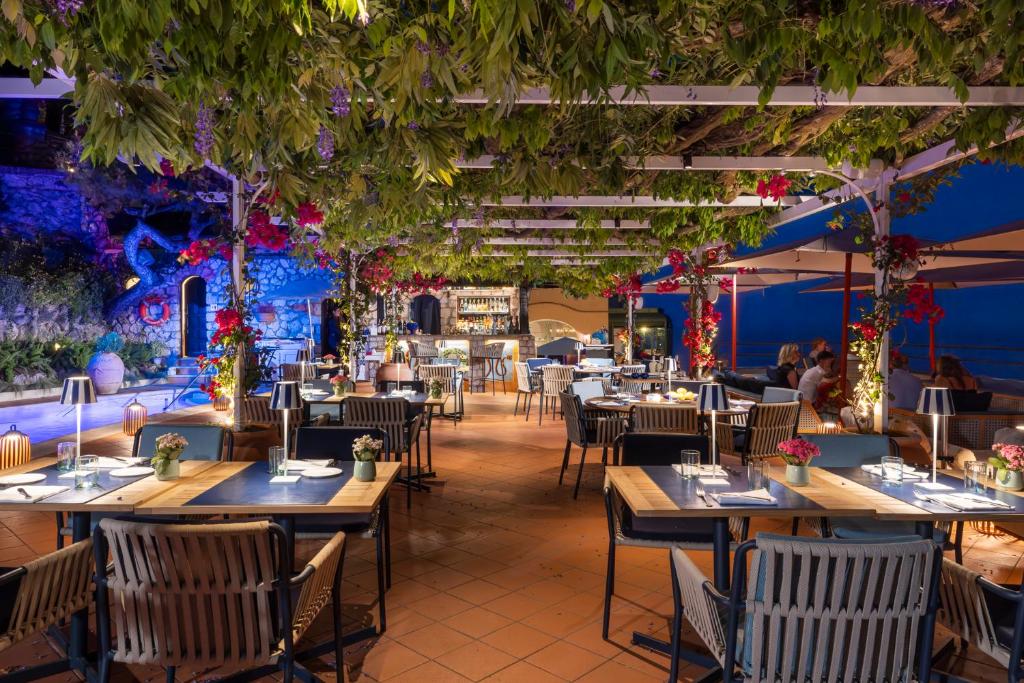
Dining at Punta Tragara revolves around the restaurant Le Monzu. For breakfast, it serves an extensive buffet in the main dining room and the patio outside; the view of the sea sparkling in the morning light is as invigorating as an espresso. At lunch, there’s an à la carte menu (from which all room service orders are pulled); I recommend the tagliolini al limone and the torta Caprese, a flourless chocolate cake. And at dinner, a Michelin-starred production begins, presenting a quartet of set menus prepared by the kitchen of the new executive chef Antonio Pedana. (Le Monzu earned its star in 2019, under the leadership of Luigi Lionetti.)
For dinner on my first night, I had a table at Le Monzu next to the window overlooking the bay, and what a joy it was to watch all the myriad blues of Capri show themselves as I made my way through the tasting menu dubbed Labirinto di Sapori, literally “labyrinth of flavors.” The meal meant giving myself over to the crew at Punta Tragara (a theme that would resonate throughout my stay): I told the kitchen some of my dining preferences, and in turn, they did not tell me what I would be eating until the dish was placed in front of me, so it was a surprise each time.
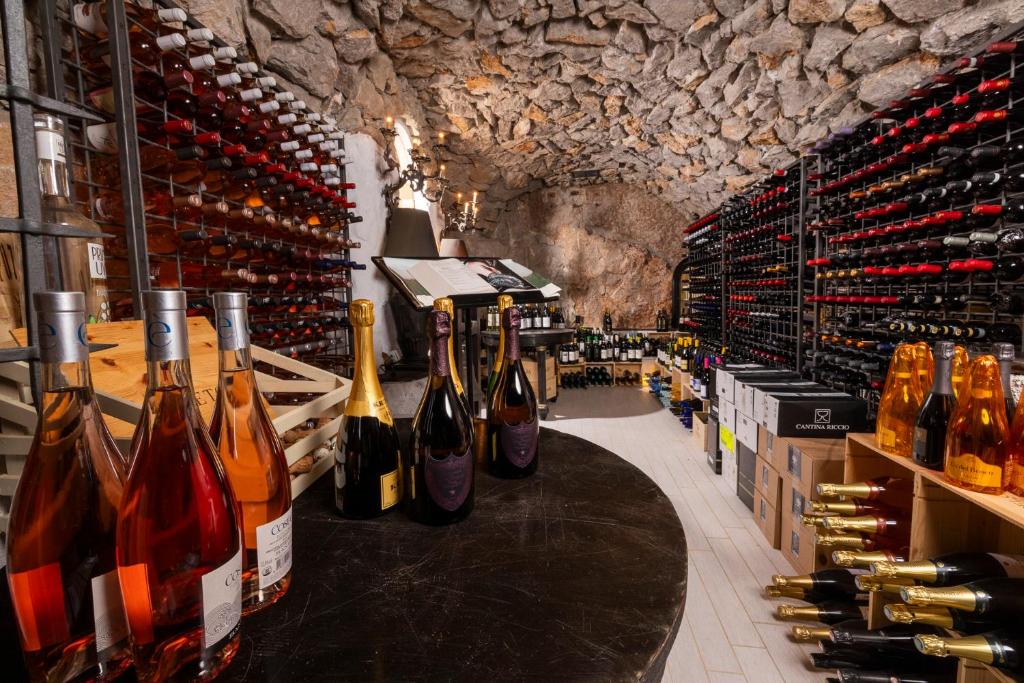
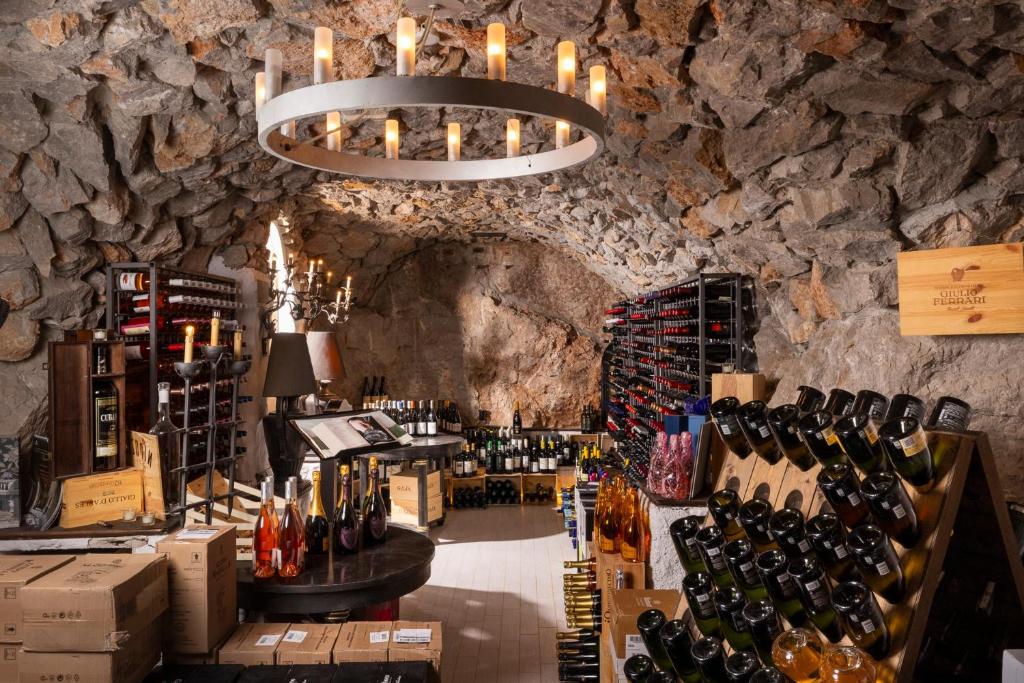
According to my Instagram, my dinner consisted of: foie gras and scampi (a small crustacean, not a cooking style!), beef tartare with hazelnuts, linguine with lime and bottarga, an amberjack dish, lamb with beetroots and red currants, and a deconstructed piña colada for dessert. The drink pairings, pulled from an extensive wine list over 400 labels strong, were pitch-perfect; some duets were delightful detours too, like a lager that went with the tartare; and a sake that went with the amberjack, prepared as it was in a Japanese-inspired method—tataki-style and breaded with panko.
If you need to know what you’re eating ahead of time, the other tasting menu options are more straightforward and outlined in the carte, e.g. a meat-focused meal, a seafood extravaganza. That said, this is a team you can trust to take care of you: Dietary needs are accommodated very well; a table next to mine asked for gluten-free adjustments and the servers talked the diners through each substitution.
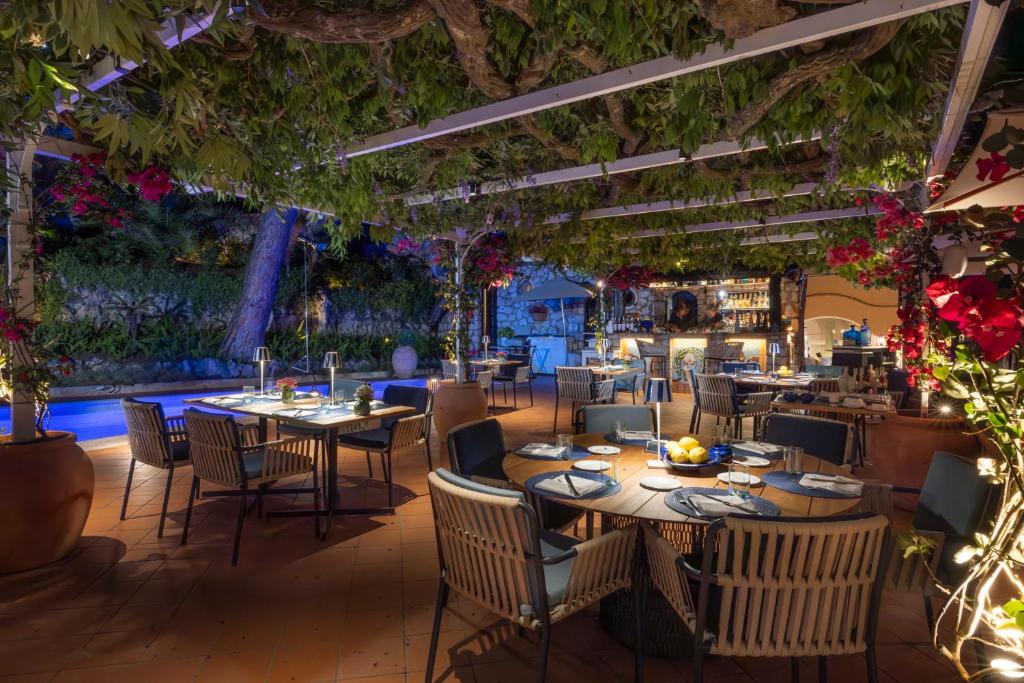
There’s also the poolside gin bar Tragara Club, where I had dinner on another night. The food menu pulls from the room service menu, but the cocktails are exclusively their own and magnificent. I had the Tu Vuò Fà L’Americano, a gorgeously bitter-but-balanced way to open my meal of pasta al vongole—and a second glass to close it, alongside an order of delizia al limone, the regional sweet specialty.
The spa
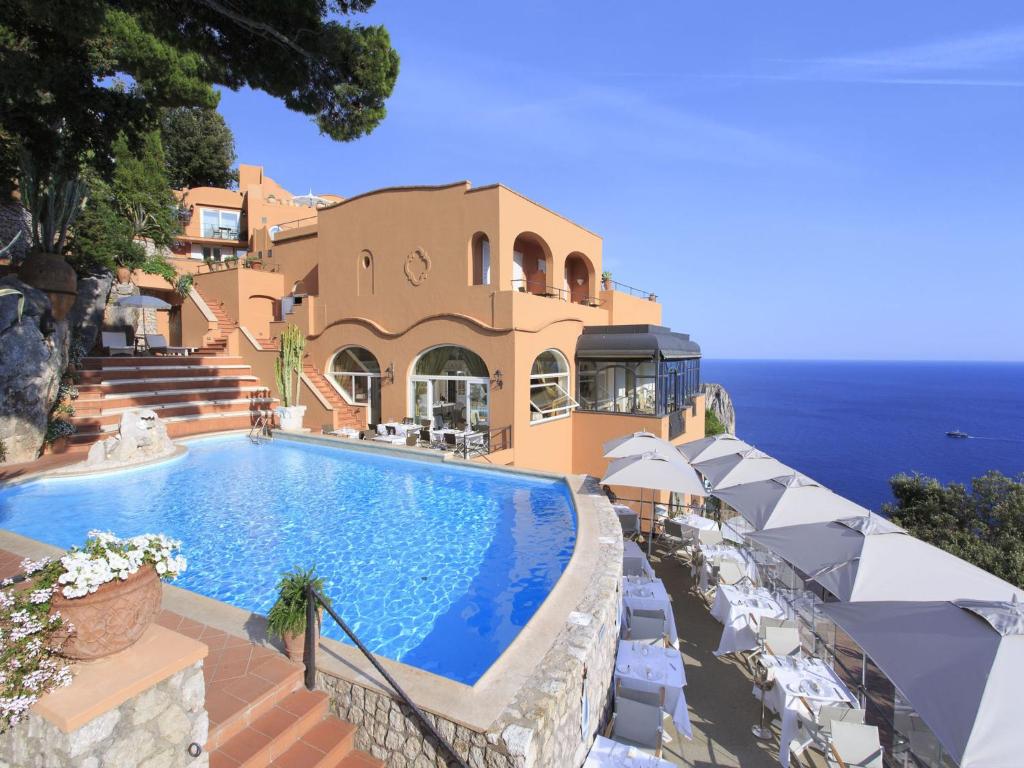
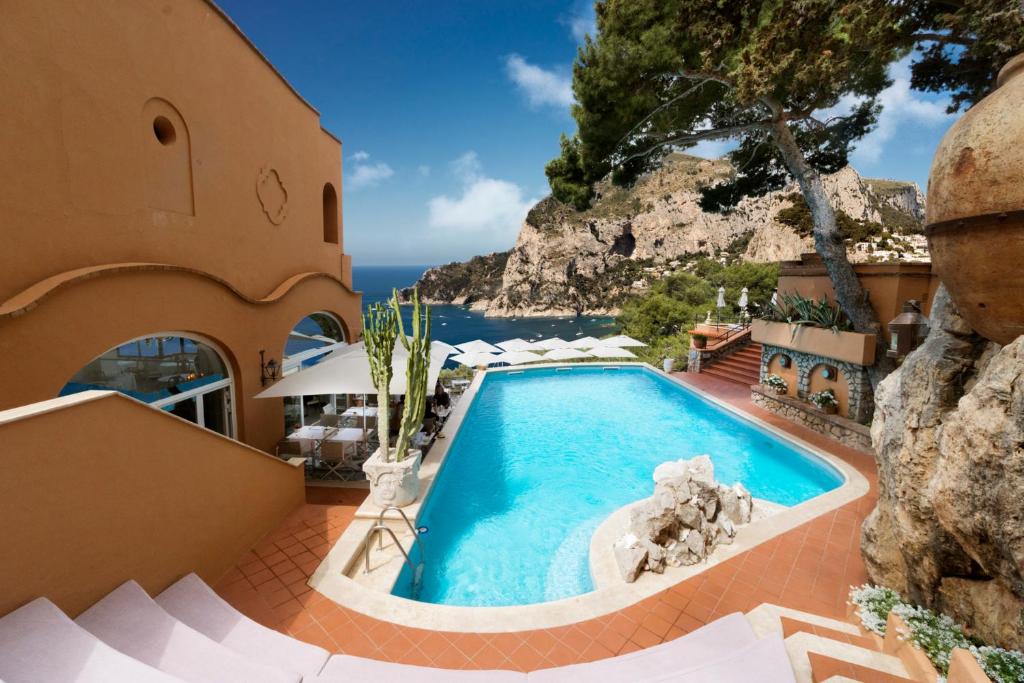
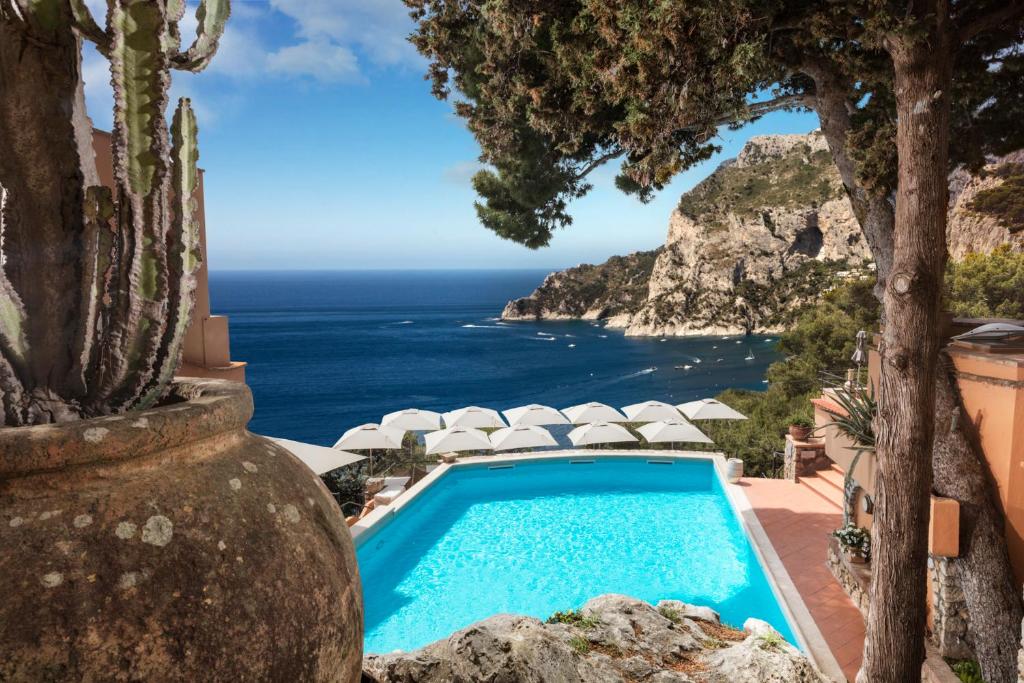
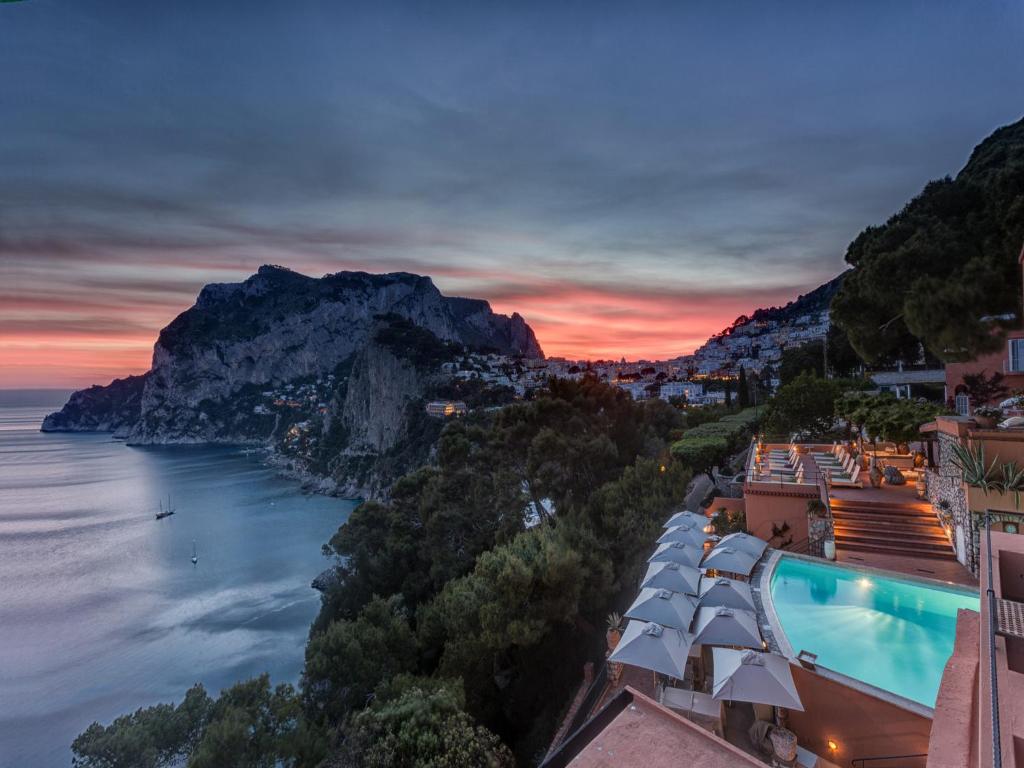
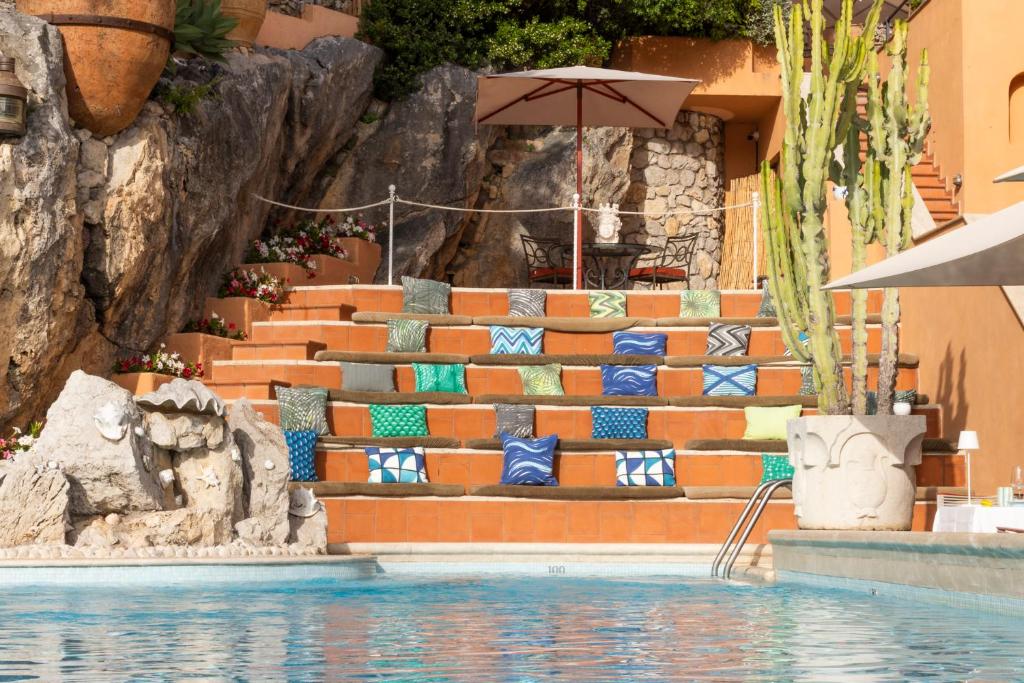
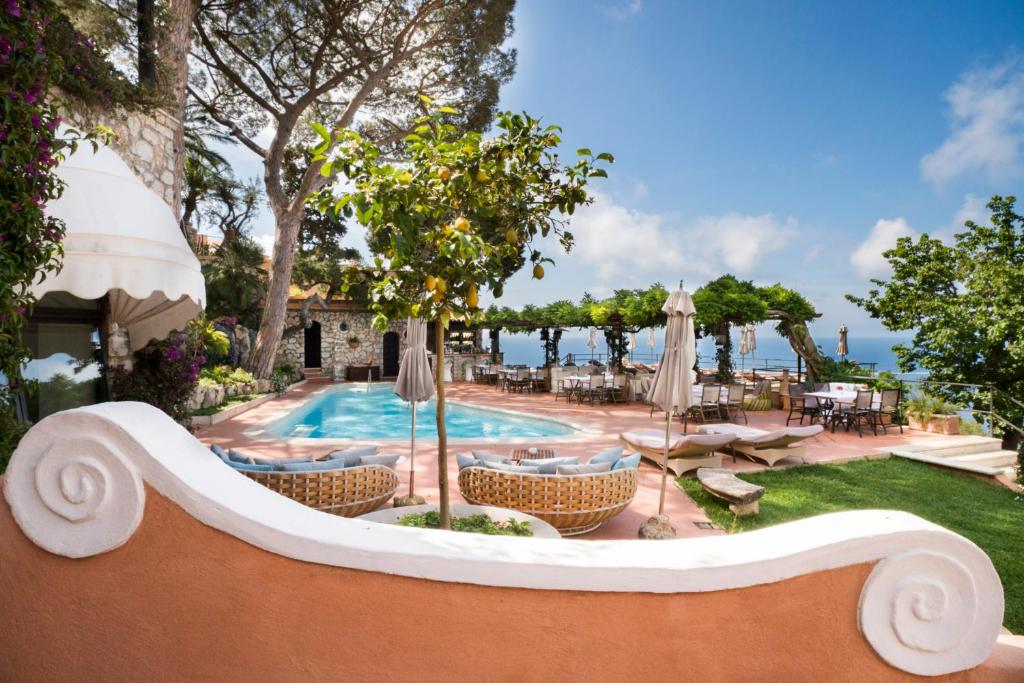
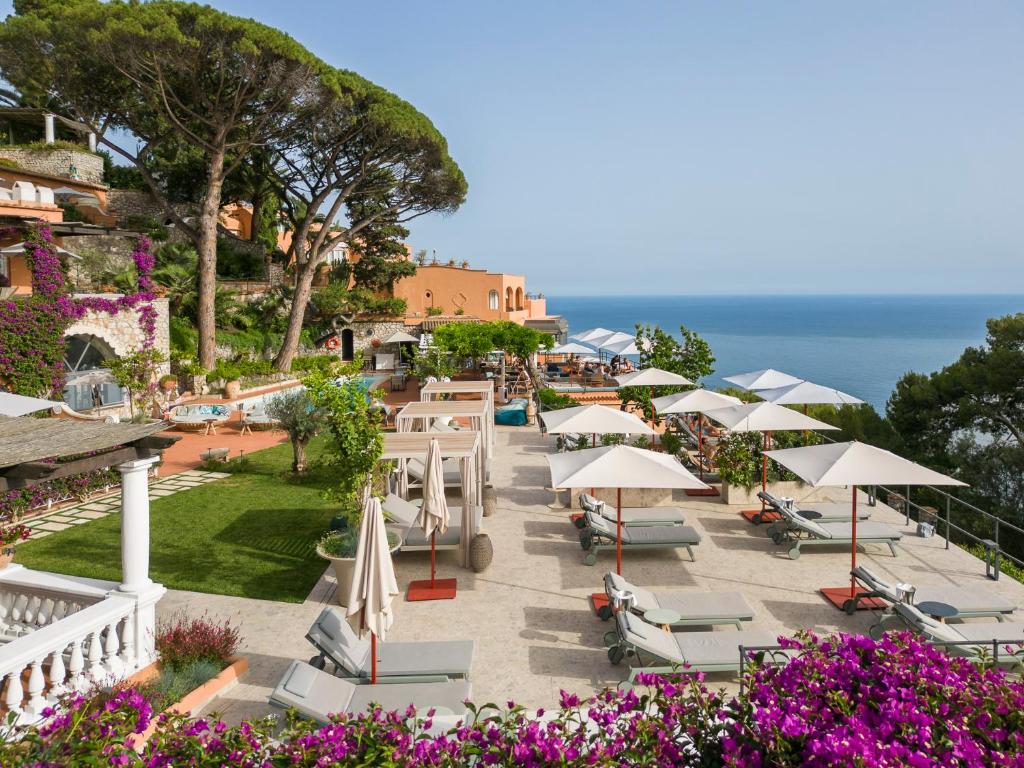
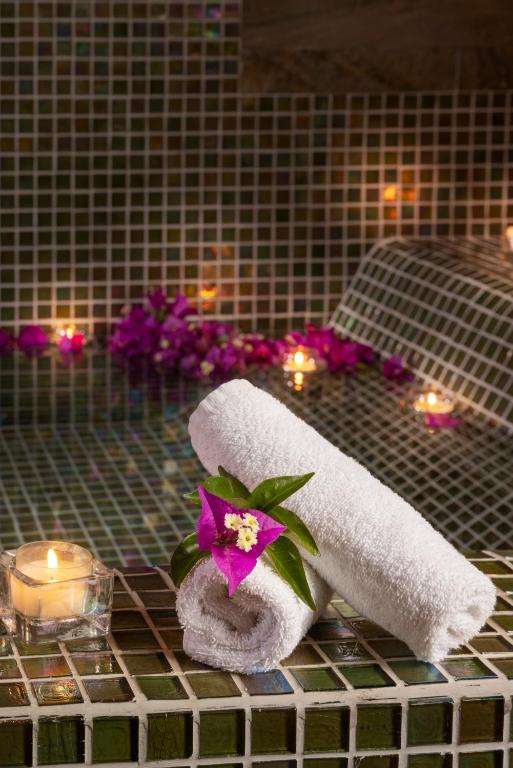
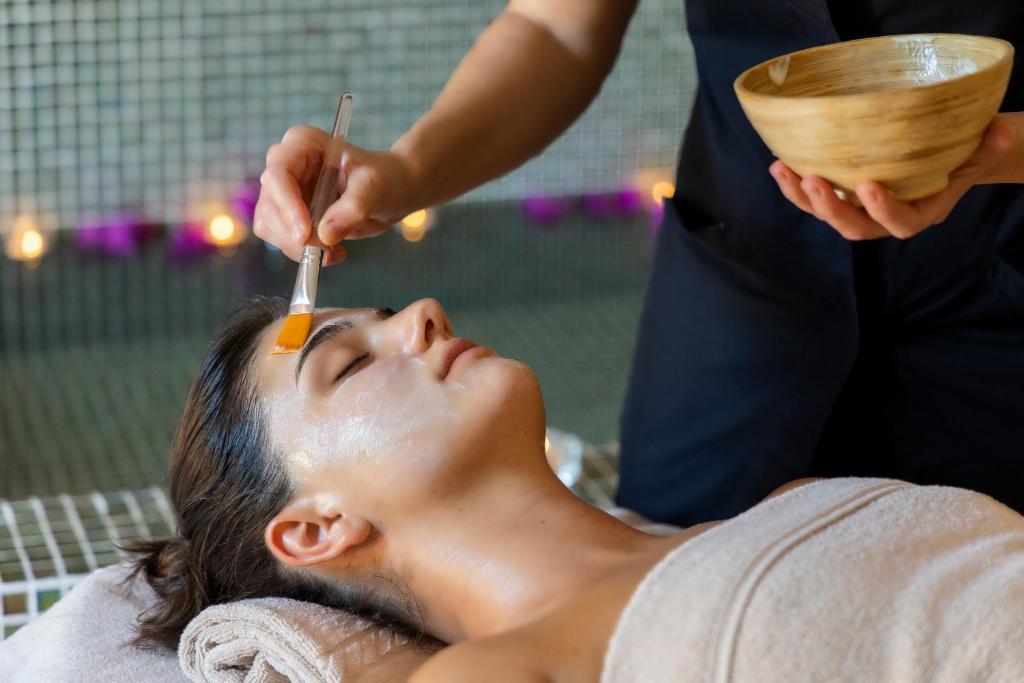
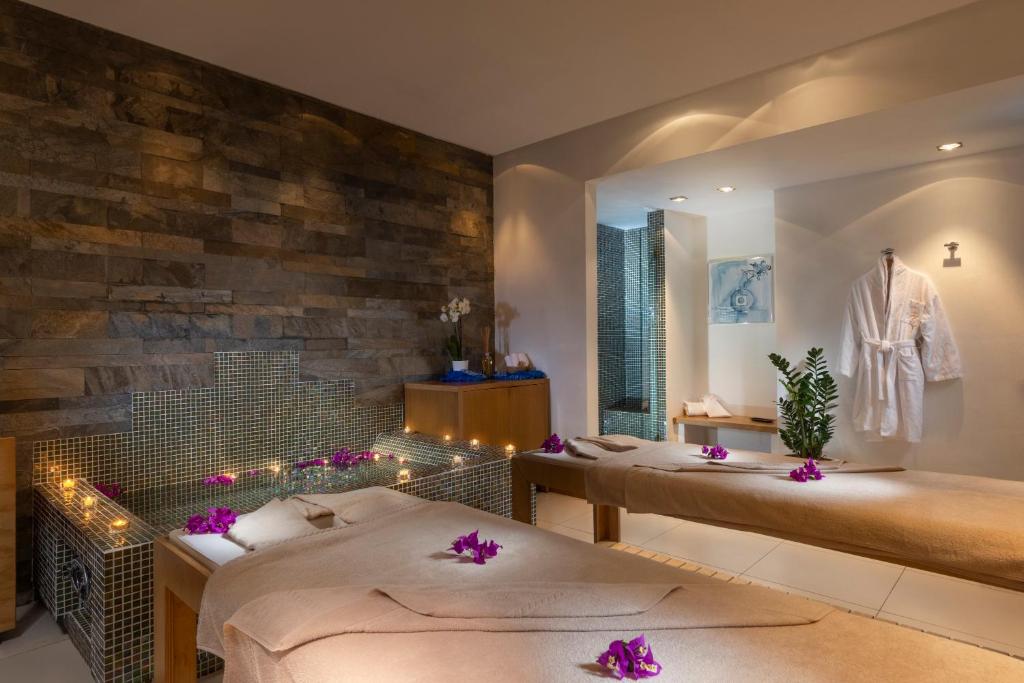
The Gili Beauty & Wellness area is quite large, with four treatment rooms as well as a hair salon by the Roman hair stylist and colorist Fabrizio Narducci. At the spa, treatments incorporate elements from Capri’s natural environment like sea salt and algae, as well as products by Orlane, the Paris-founded skincare label now owned by the Italian family-owned Kelémata cosmetics group. As for the gym, it’s tiny but well-equipped, with TechnoGym machines and weights. There are two pools, one of which is heated, and plenty of daybeds for soaking up the sun. Beside one of the pools, there’s a tiered seating area that resembles an amphitheater with cushions and pillows—perfect for watching the sky and sea change colors from the comfort of the hotel.
The neighborhood/area
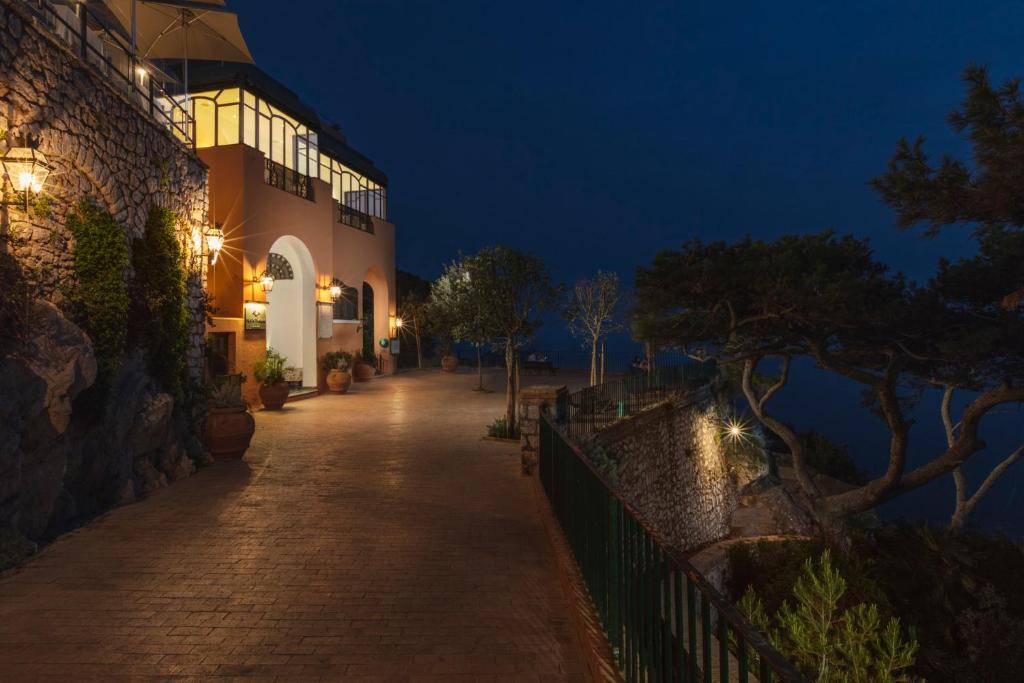
Punta Tragara is in a quiet residential area, flanked by privately owned villas to the north, along Via Tragara; and in the other cardinal directions, the cliffs falling into the Mediterranean. From the hotel, there’s a descending trail that leads to an unaffiliated, so-so restaurant with a killer position on a wooden deck built on the rocky shores; go for a limoncello and the sea.
Walk toward town along the peaceful Via Tragara (watch out for the porters in souped up golf carts ferrying luggage between the hotel and the marina), and it becomes the shopping haven of Via Camerelle, where the usual suspects are to be found: Missoni, Pucci, and Etro before you’re met with Dolce & Gabbana, Bulgari, and Bottega Veneta. (A harbinger of the fashion tides: Jacquemus was building a store when I visited in April 2024; it has since opened.)
For the more nature-inclined, ask the Punta Tragara team to set up excursions to the famous Blue, Green, and White Grottos; to Villa Jovis and Villa Damecuta, residences of the Roman emperor Tiberius; and even to archeological sites like the Phoenecian Steps (confirmed to have actually been built by Greeks) and the path of ancient block houses along the Anacapri coast.
On an aimless stroll one morning, I found myself at the Certosa di San Giacomo, a monastery turned museum and exhibition space, whose permanent collection includes large-scale paintings by the artist Karl Wilhelm Diefenbach and a light and mixed-media installation by Marco Bangoli. Ready for lunch, I followed the streets away from the monastery and ran into nearby Carthusia (be sure to take home one of their creamy hand balms) and stopped in for lunch at the recently reimagined Hotel La Palma.
The service
If there’s one thing I’ll remember about my stay at Punta Tragara, it’s the highly skilled and assuring service of its staff. The front office manager Roberta gave me a fun historical tour of the property; at the restaurant, Vittorio talked me through dinner beautifully; at checkout, Frederica clearly laid out my morning itinerary: have the luggage ready for transfer at this time, have breakfast at this time, walk to the piazzetta where a car will pick me up at this time for the boat back to Naples at this time. As I mentioned, Capri is a high-level exercise in logistics, and the staff at Punta Tragara make it as seamless as possible. All my transfers were organized by the hotel, all the way through from Naples to the resort then back. It was a treat to be able to give myself over to a staff whose polished and confident service style ensured a relaxing stay.
For families
Though there are no kid-specific amenities at the hotel, kids are welcome at Punta Tragara. During my stay, I saw a family on a working holiday with two boys in tow who seemed to have a good time sitting on a poolside daybed sharing a Nintendo Switch. But predominantly, the vibe is grown-up. Most guests and outside visitors were couples either on honeymoon, anniversary trips, or Capri stalwarts who have been regularly coming to the island for decades.
Accessibility
Frankly, Capri is not an ideal destination for travelers with mobility needs. The boat ride can be tricky given the volatile nature of the waters around Capri, and much of Capri town is pedestrian. Furthermore, there are stairs all over the hotel, though there are just as many elevators to assist with moving throughout the property. I highly recommend contacting the Punta Tragara staff to ensure your visit is as accessible as possible.
Anything left to mention?
As ever, weather shapes all of our travel adventures, but Capri is especially susceptible to the whims of the land, sea, and sky: rain can force you inside, and ferries can be delayed or canceled depending on the Med’s conditions. (Bless the couple I saw at lunch one day, adamant that they have their spritzes on the patio, however useless their umbrellas were.) If nothing else, it’s a reminder of the awe-inspiring majesty of our environment—I will never get over the morning views of the vast blue waters below Punta Tragara, the waves that have crashed against the Fragliolini Rocks since time immemorial. And even when I had to stay indoors, I took it as a chance to slow down, to appreciate the stillness. At dinner, with the staff, at Punta Tragara—I gave myself over, time and again. This is a place for fabulous surrender.
Via Tragara 57, Capri, Campania 80073
Italy
https://www.manfredihotels.com/en/punta-tragara/
+39 081 8370844