

Travel is one of life’s greatest joys — and it should be accessible to everyone. Yet for the millions of travelers living with disabilities, the process of booking a hotel room can feel like navigating a minefield of vague descriptions, misleading photos, and unanswered questions. What does “accessible” actually mean? Will the bathroom really accommodate a wheelchair? Are the grab bars in the right places? These concerns shouldn’t stand between anyone and the adventure they deserve. This guide is designed to change that. Whether you use a wheelchair, have a visual or hearing impairment, live with a chronic illness, or support a loved one with a disability, you’ll find everything you need here to book accessible hotel rooms with confidence, clarity, and peace of mind.
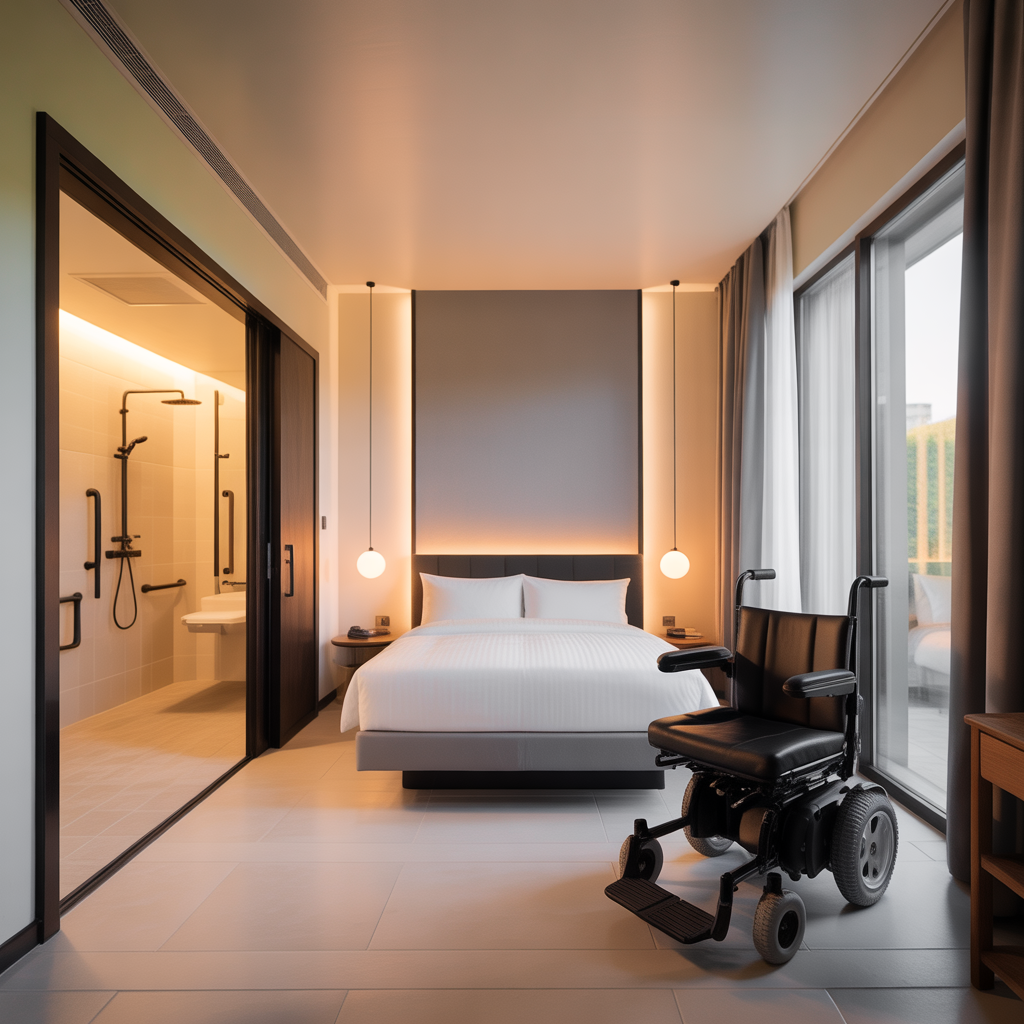
Understanding Accessible Hotel Rooms: What Does “Accessible” Really Mean?
Here’s the uncomfortable truth: “accessible” doesn’t mean the same thing at every hotel. A room labeled “accessible” at one property might have a roll-in shower and wide doorways, while at another, it simply means there’s a grab bar next to the toilet. This inconsistency is one of the biggest frustrations facing travelers with disabilities.
In the United States, the gold standard is ADA compliance — standards set by the Americans with Disabilities Act that specify exact measurements for doorway widths, turning radii, grab bar placement, and more. In the UK, hotels are guided by the Equality Act 2010 and building standards like PAS 128. Across Europe, the EU Accessibility Act is gradually harmonizing requirements. Australia follows the Disability Discrimination Act.
However, even within these frameworks, “ADA-compliant” doesn’t automatically mean a room meets every traveler’s specific needs. A room can be technically compliant yet still fall short for a power wheelchair user or someone with a specific medical condition. The key takeaway: always dig deeper than the label.
Types of Disabilities and What to Look For in a Hotel
Understanding your specific needs — or those of the person you’re booking for — is the essential first step. Different disabilities require very different accommodations:
- Mobility impairments (wheelchair users, limited mobility): Need wide doorways, roll-in showers, lowered beds, and adequate turning space.
- Visual impairments (blindness, low vision): Benefit from Braille materials, consistent room layouts, and staff-assisted orientation tours.
- Hearing impairments (deaf or hard of hearing): Require visual fire alarms, strobe doorbells, captioned phones, and TTY/TDD devices.
- Cognitive disabilities (autism spectrum, dementia): May need quieter rooms, simplified layouts, and clear wayfinding signage.
- Chronic illness and invisible disabilities (fatigue conditions, chronic pain): Often require specific bed heights, allergy-friendly environments, and proximity to elevators.
Once you’ve identified your exact requirements, you can evaluate hotels much more effectively — and ask the right questions before committing to a booking.
Key Accessibility Features to Look For in a Hotel Room
Physical and Mobility Accessibility
For travelers with mobility impairments, the physical layout of a room is everything. Here’s what to look for:
- Roll-in showers with no threshold (vs. walk-in showers with a lip or step)
- Grab bars positioned correctly in the shower, next to the toilet, and near the bathtub
- Doorway widths of at least 32–36 inches (standard wheelchairs require 32 inches minimum; power chairs often need more)
- Lowered or adjustable beds — ideal height is 17–19 inches from floor to mattress surface
- Turning radius of at least 60 inches (5 feet) in key areas like the bathroom and beside the bed
- Lever-style door handles rather than round knobs, which can be impossible for those with limited hand strength
- Accessible closet rods and lowered storage options
Bathroom Accessibility
The bathroom is often the most critical space for travelers with disabilities. Prioritize:
- Handheld showerheads on adjustable slide bars
- Fold-down or fixed shower seats
- Raised toilet seats or comfort-height toilets (17–19 inches)
- Accessible vanity and sink with knee clearance for wheelchair users
In-Room Technology and Communication
For guests who are deaf or hard of hearing, in-room technology can make all the difference:
- Visual fire alarms with strobe lights
- Visual doorbell alerts
- TTY/TDD devices or captioned telephones
- Large-print or Braille room guides and menus
- Smart room controls or voice-activated assistants
Bed and Furniture Layout
- Bed height of 17–19 inches from floor
- Clear floor space of at least 18 inches on both sides of the bed
- Accessible work desks with knee clearance and adjustable-height seating
Hotel Property Accessibility Features Beyond the Room
Don’t stop at the room itself. The surrounding property matters just as much. Before booking, check:
- Accessible parking and drop-off zones close to the entrance
- Step-free entrances and ramp availability (not just an automatic door on a raised platform)
- Elevator dimensions — standard accessible elevators should accommodate a wheelchair and companion
- Accessible pool and fitness facilities — look for pool lifts and roll-in entry options
- Accessible dining areas with enough table clearance for wheelchairs
- Service animal accommodations — designated relief areas and pet/animal policies
- Accessible transportation options near the hotel — accessible taxi services, bus stops, metro stations

How to Search and Filter for Accessible Hotels Online
The good news: major booking platforms have significantly improved their accessibility filters in recent years. Here’s how to use them effectively:
- Booking.com: Use the “Facilities for disabled guests” filter, which breaks down options by wheelchair accessibility, visual aids, hearing accommodations, and more.
- Expedia: Filter by “Accessible” under property amenities and look for detailed accessibility descriptions in the listing.
- Hotels.com: Similar accessibility filters available; always read the fine print in the room description.
- Airbnb: Offers detailed accessibility feature checkboxes including step-free access, grab bars, and wide doorways — useful for apartment-style accommodations.
For deeper peace of mind, consider using specialized accessible travel platforms:
- Wheel the World — vetted, wheelchair-accessible accommodations worldwide
- AccessibleGo — disability-friendly hotels with verified features
- Handiscover — accessible holiday rentals across Europe
Also use Google Maps to check wheelchair accessibility ratings for hotels and nearby attractions, restaurants, and transportation hubs.
One critical tip: read accessibility descriptions skeptically. Phrases like “some accessible features” or “may accommodate guests with disabilities” are red flags. Look for specific, measurable descriptions like “32-inch doorways” or “roll-in shower with fold-down seat.”
How to Book an Accessible Hotel Room: Step-by-Step
Following a clear process dramatically reduces the risk of an unpleasant surprise at check-in.
- Define your specific accessibility requirements before you start searching. Make a checklist of non-negotiables.
- Use accessibility filters on booking platforms to create a shortlist of suitable properties.
- Cross-reference multiple sources — the hotel’s own website, third-party listings, and guest reviews.
- Call the hotel directly. This step is non-negotiable. Online descriptions are often incomplete or outdated. A direct conversation with hotel staff confirms exactly what’s available.
- Ask specific questions (see our complete list in the next section).
- Request written confirmation of all accessibility features — via email is best. This creates a paper trail.
- Reconfirm your booking 48–72 hours before your arrival date to ensure the accessible room hasn’t been reassigned.
Essential Questions to Ask the Hotel Before Booking
When you call the hotel, don’t be shy about being specific. Here are the most important questions to ask:
- Is the accessible room on a floor with elevator access, and what are the elevator dimensions?
- What is the exact shower configuration — roll-in, walk-in, or bathtub? Is there a shower seat?
- Where exactly are the grab bars located — in the shower, beside the toilet, near the tub?
- What is the bed height from floor to mattress?
- What assistive devices are available on request (shower chairs, raised toilet seats, bed rails)?
- Are service animals permitted, and is there a designated relief area on the property?
- Is there step-free access throughout the entire property, including restaurants and pool areas?
- What is your policy if the accessible room becomes unavailable at check-in?
Reading and Evaluating Guest Reviews for Accessibility
Reviews from travelers with disabilities are the single most reliable source of honest accessibility information. Here’s how to find and use them:
- TripAdvisor: Filter reviews using the “Travelers with disabilities” tag to surface firsthand accounts from disabled guests.
- Google Reviews: Search for keywords like “wheelchair,” “accessible bathroom,” or “grab bars” within reviews.
- Disability travel blogs and communities: Sites like Curb Free with Cory Lee and Rolling with the Joneses offer detailed, real-world hotel reviews specifically from the disability travel perspective.
Watch out for these red flags in accessibility descriptions:
- Vague language (“accommodation available for guests with disabilities”)
- No specific measurements mentioned
- Only one accessible room available for the entire property
- Photos that show a “roll-in shower” that still has a small lip or threshold
Tips for Traveling with Specific Disabilities
Tips for Wheelchair Users
- Always book the accessible room early — these rooms are limited and fill up fast.
- Measure your wheelchair (width and turning radius) and compare it against the hotel’s stated doorway and bathroom dimensions.
- Request a room layout diagram or photos directly from the hotel before booking.
- Book ground-floor rooms as a contingency in case the elevator is out of service.
Tips for Visually Impaired Travelers
- Ask hotel staff for an orientation tour of the room and property upon arrival.
- Confirm availability of large-print or Braille materials for menus, room guides, and emergency information.
- Use apps like Aira (live visual interpreting) or Be My Eyes (volunteer sighted assistance) to navigate unfamiliar hotel environments.
Tips for Deaf and Hard of Hearing Travelers
- Confirm that visual alert systems (strobe fire alarms, flashing doorbell lights) are working in your room before settling in.
- Request written communication options at the front desk and ask if the hotel has a messaging app.
- Many hotels now offer text or app-based communication — ask in advance.
Tips for Travelers with Invisible Disabilities
- Don’t hesitate to communicate your needs — you are not obligated to explain or justify a disability that isn’t visible.
- Request quieter rooms away from elevators, ice machines, and high-traffic corridors.
- Ask about allergy-friendly or fragrance-free room options if chemical sensitivities are a concern.
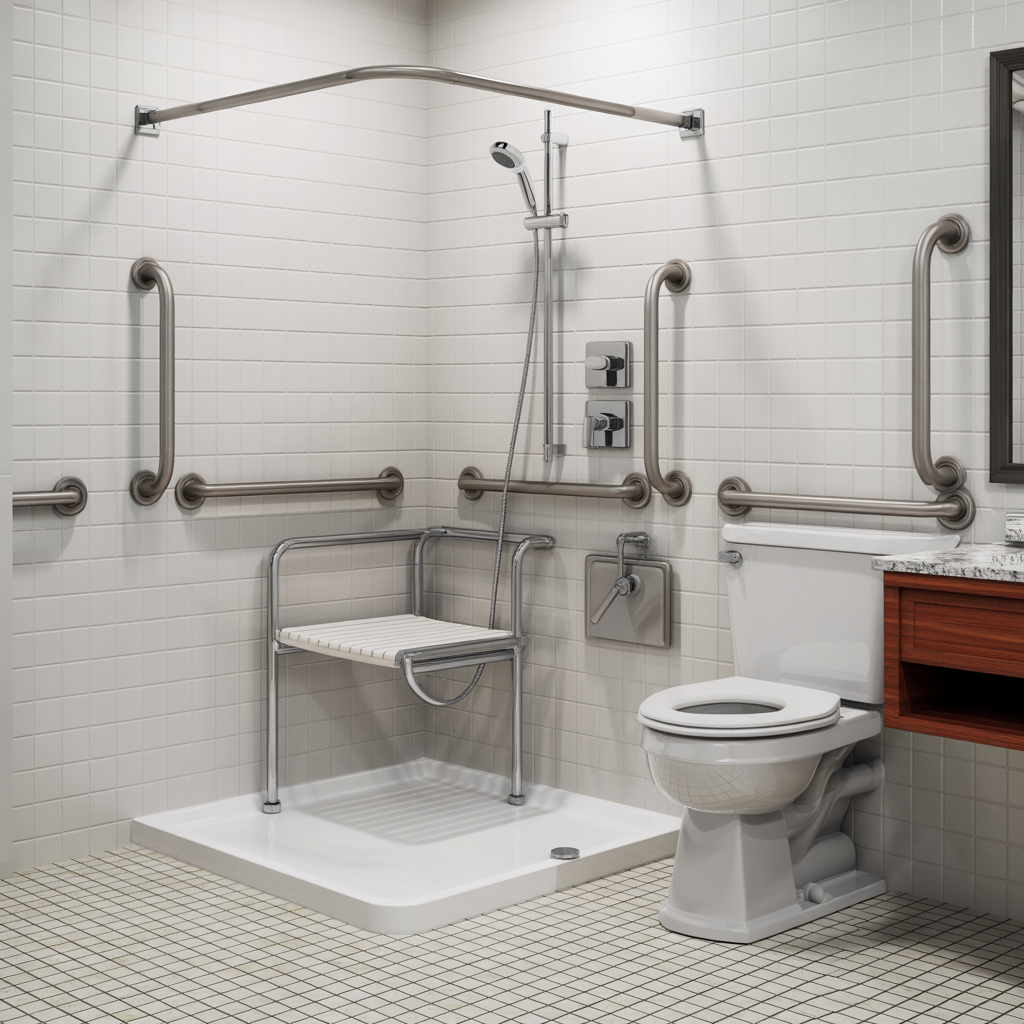
Know Your Rights: Legal Protections for Travelers with Disabilities
Understanding your legal rights can be empowering — and practically useful if something goes wrong.
- United States — ADA: Hotels with more than a certain number of rooms are required to provide a minimum number of accessible rooms. They cannot charge more for accessible rooms than for comparable standard rooms. Hotels must also maintain accessibility features in working order.
- United Kingdom — Equality Act 2010: Hotels are required to make “reasonable adjustments” to accommodate guests with disabilities.
- European Union — EU Accessibility Act: Phased implementation requires services and facilities to meet accessibility standards across member states.
- Australia — Disability Discrimination Act: Hotels must not discriminate against guests with disabilities and are required to provide equal access to facilities.
If a hotel fails to deliver the accessible room it promised:
- Document everything — keep your written confirmation and take photos at the property.
- Request a comparable alternative immediately and escalate to management.
- In the U.S., file a complaint with the U.S. Department of Justice ADA Information Line at 1-800-514-0301.
- In the UK, contact the Equality Advisory and Support Service (EASS).
- Leave detailed, factual reviews to help other travelers with disabilities.
Also consider purchasing travel insurance that covers disability-related trip interruptions, including hotel changes due to inadequate accessibility.
Recommended Resources and Tools for Accessible Travel Planning
These platforms and tools can make your accessible travel planning smoother:
- Booking platforms: Wheel the World, AccessibleGo, Handiscover
- Navigation apps: Google Maps (wheelchair-accessible routes), AccessNow (crowdsourced accessibility map)
- Assistance apps: Aira, Be My Eyes
- Government resources: U.S. Access Board (access-board.gov), VisitBritain Accessibility Guide, Tourism for All (UK)
- Travel communities: Curb Free with Cory Lee, Disabled Travelers, Society for Accessible Travel and Hospitality (SATH)
Common Mistakes to Avoid When Booking Accessible Hotel Rooms
Even experienced accessible travelers make these errors. Avoid them to save yourself stress and disappointment:
- Relying solely on online filters without calling ahead to verify — filters are a starting point, not a guarantee.
- Assuming “ADA-compliant” means fully accessible for your needs — compliance is a minimum baseline, not a perfect fit.
- Booking too late — accessible rooms are limited in number. Book as early as possible.
- Not getting accessibility confirmations in writing — verbal promises can evaporate at check-in.
- Overlooking the hotel’s surrounding area — a perfectly accessible room loses its value if the neighborhood is full of curbs, cobblestones, or inaccessible public transport.
- Forgetting to check transportation options — research accessible taxi services, shuttle options, and nearby metro or bus accessibility before you arrive.
Conclusion
Accessible travel is not just possible — it’s absolutely achievable when you know what to look for and how to ask the right questions. The process of booking an accessible hotel room may require more preparation than a standard booking, but the reward is a trip where you can focus on the experience rather than worrying about what awaits you at check-in. Use this guide as your foundation: understand what “accessible” really means, know your specific needs, dig beneath the surface of online listings, and never skip that direct call to the hotel. Your journey matters, and you deserve accommodations that truly support it. If you’ve found this guide helpful, explore more accessible travel resources and destination guides at RoomNetic.com — and feel free to share your own tips and experiences in the comments below.
Frequently Asked Questions About Accessible Hotel Rooms
What is an ADA-accessible hotel room?
An ADA-accessible hotel room is one that meets the standards set by the Americans with Disabilities Act in the United States. These standards specify exact requirements for doorway widths (minimum 32 inches), turning radius (60 inches), grab bar placement, shower configurations, bed height, and other features designed to accommodate guests with mobility and other disabilities.
How do I book an accessible hotel room online?
Start by using accessibility filters on major booking platforms like Booking.com, Expedia, or Hotels.com. Narrow down your options using specialized platforms like Wheel the World or AccessibleGo. Always read room descriptions carefully, cross-check with guest reviews from travelers with disabilities, and call the hotel directly to confirm the specific features before booking.
What questions should I ask a hotel about accessibility?
Key questions include: What is the shower configuration (roll-in, walk-in, or bathtub)? Where are grab bars located? What is the bed height? Is the accessible room on a floor with elevator access? What assistive devices are available on request? Are service animals permitted? Is there step-free access throughout the entire property?
Are accessible hotel rooms more expensive?
In the United States, the ADA prohibits hotels from charging more for accessible rooms than for comparable standard rooms. In most countries, accessible rooms should be priced equivalently to similar non-accessible rooms. If you encounter price differences, this may be grounds for a complaint with the relevant regulatory body.
How many accessible rooms are hotels required to have?
In the U.S., ADA guidelines specify minimum accessible room requirements based on total room count. For example, hotels with 26–50 rooms must have at least 2 accessible rooms; hotels with 501–1,000 rooms must have at least 2% of rooms accessible. Requirements vary by country under respective national legislation.
What is the difference between an accessible room and a handicap room?
“Handicap room” is an older, now largely outdated term. “Accessible room” is the current preferred terminology, reflecting a more respectful and inclusive approach to disability. Both terms generally refer to rooms designed to accommodate guests with disabilities, though “accessible” more accurately suggests compliance with modern accessibility standards and person-first language.
Can I travel internationally in a wheelchair and find accessible hotels?
Yes, absolutely. While accessibility standards vary significantly between countries, accessible hotels can be found worldwide. Specialized platforms like Wheel the World and Handiscover vet international properties for genuine accessibility. Research each destination’s standards in advance, use local disability travel organizations as resources, and always verify hotel features directly before booking.