

Imagine waking up in a five-star hotel room — plush linens, a rooftop pool, panoramic city views — and paying half the rate of the guest next door. That’s the promise behind secret hotel bookings, and for millions of savvy travelers, it’s a promise that actually delivers. But if you’ve never tried one before, the idea of paying upfront for a hotel you can’t see might feel a little unsettling. Are these deals too good to be true? Is your money safe? Could you end up somewhere you’d rather not be? This guide breaks down exactly how secret and opaque hotel bookings work, which platforms offer them, how safe they really are — and how to get the most out of them without the stress.
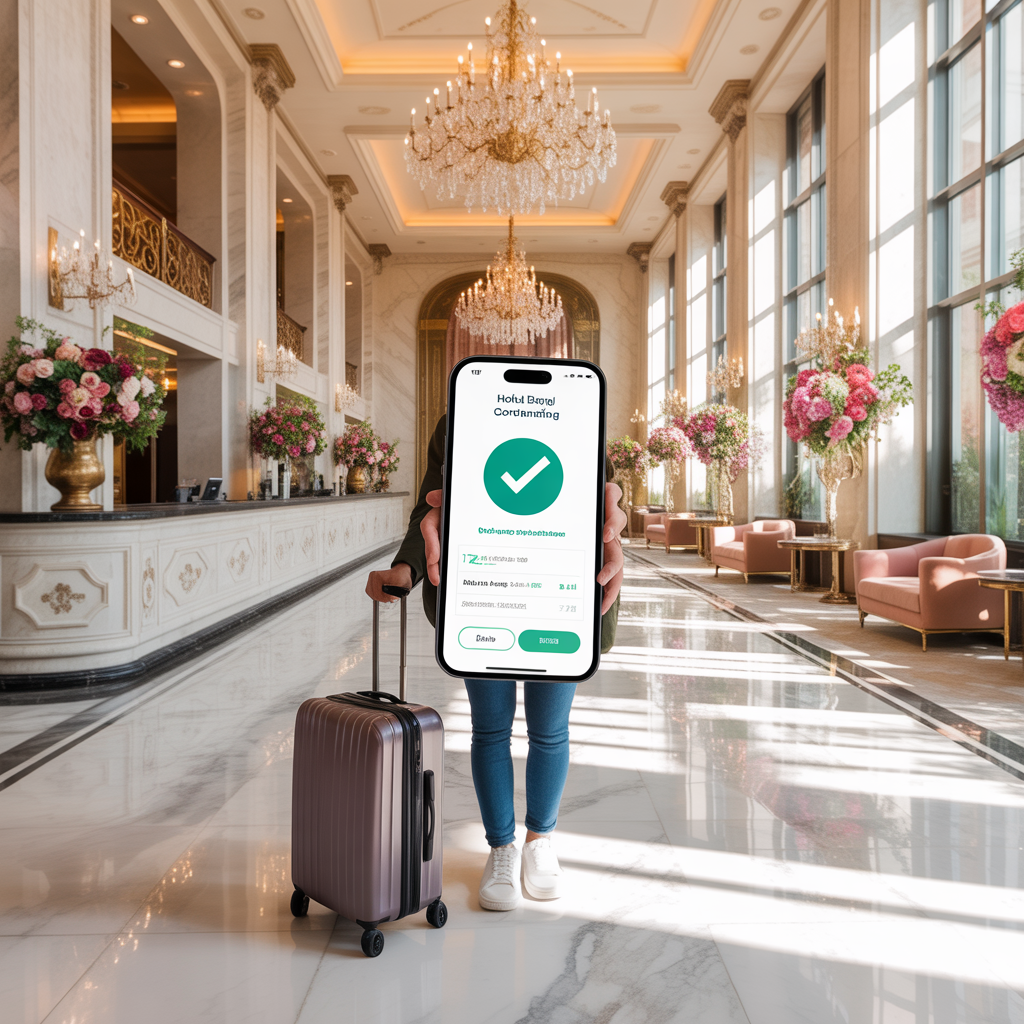
What Are Secret or Opaque Hotel Bookings?
In the travel industry, the technical term is opaque hotel bookings. The word “opaque” captures the essence perfectly — you can see through it just enough to make a decision, but not clearly enough to know exactly what’s on the other side. Consumer-facing platforms tend to use friendlier terms like “secret hotels,” “hot rate hotels,” or “express deals,” but the mechanics are the same.
Here’s the core concept: you pay first, and the hotel is revealed after your booking is confirmed. You’re essentially agreeing to stay at a property that meets a defined set of criteria — star rating, general neighborhood, amenity list — without knowing its name or exact address until your credit card has been charged.
The fundamental trade-off is straightforward: lower price in exchange for less control. Hotels participate in these programs because it allows them to fill empty rooms at discounted rates without publicly advertising those discounts, which would undercut their direct booking prices and damage their brand image. The opacity protects the hotel’s pricing strategy while giving budget-savvy travelers access to deals that simply don’t exist in the regular market.
This model first emerged in the late 1990s with the rise of online travel agencies (OTAs). Priceline pioneered the “Name Your Own Price” concept, which eventually evolved into today’s more streamlined opaque deal formats offered across multiple major platforms.
How Do Opaque Hotel Bookings Work? (Step-by-Step)
The process is simpler than most people expect. Here’s what typically happens:
- Browse deals by location, star rating, and general area: You select your destination city, travel dates, and filter by star rating (e.g., 3-star, 4-star, 5-star). You’ll also be able to filter by general neighborhood or zone.
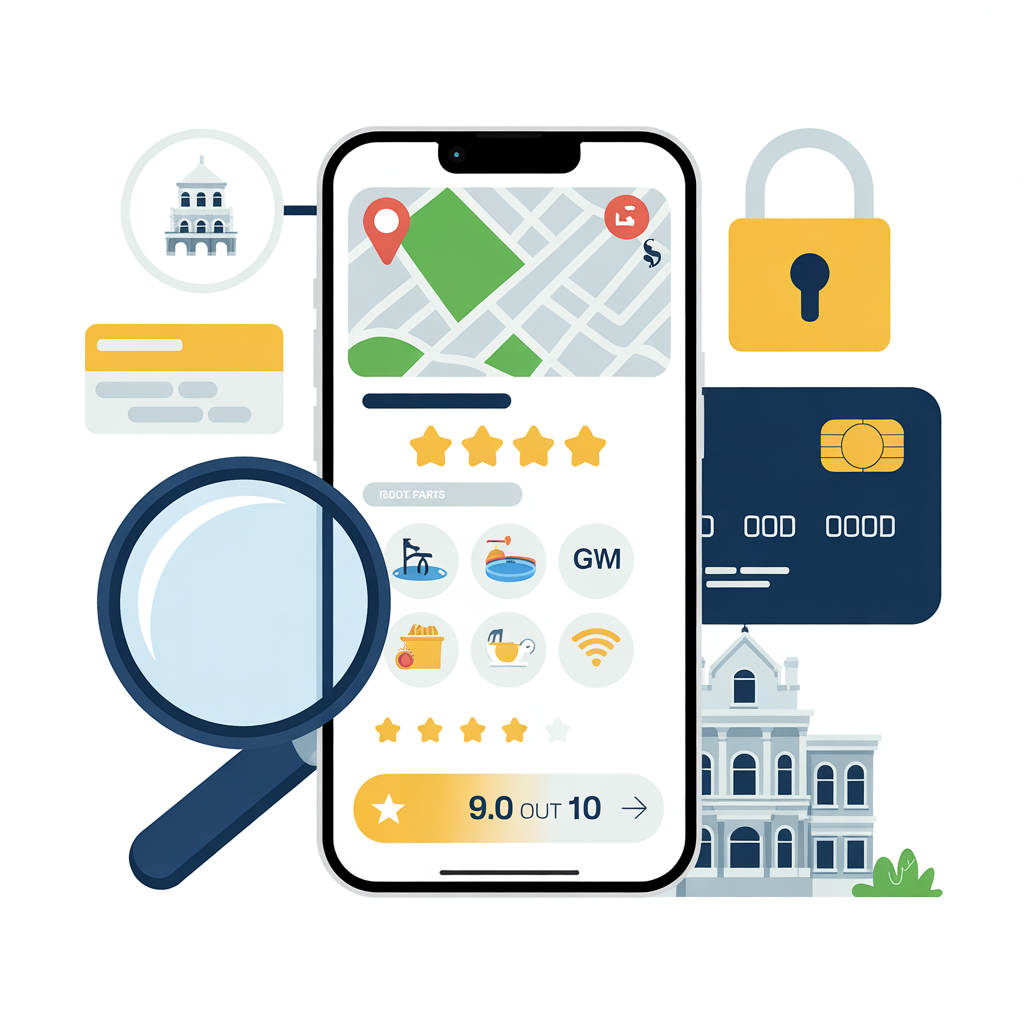
- Review partial clues: Before paying, you’ll see a list of amenities (free breakfast, gym, pool, parking), a guest review score, a blurred or approximate map location, and sometimes additional hints about the property type.
- Pay upfront — non-refundable in most cases: Once you decide, you complete the payment. This is the point of no return for most opaque bookings. Unlike standard hotel reservations, free cancellation is rarely an option.
- Hotel revealed immediately after payment: The moment your payment is processed, the hotel’s full name, exact address, and booking confirmation are displayed and sent to your email.
Discount ranges typically fall between 30% and 60% off standard rates, though the actual savings depend on the destination, season, and how aggressively the hotel is trying to fill rooms.
Popular Platforms Offering Secret and Opaque Hotel Deals
Several major travel platforms have built their reputations around opaque hotel deals. Here’s a breakdown of the most popular ones:
- Hotwire: One of the pioneers of the opaque model. Their “Hot Rate” hotels show you star rating, amenities, neighborhood, and guest score — but not the name. Known for some of the deepest discounts available.
- Priceline: Offers “Express Deals,” which are semi-opaque — you get more clues than Hotwire, including a more specific location and sometimes the hotel’s general brand tier. Priceline also historically offered “Name Your Own Price,” though this feature has been largely phased out.
- Hotels.com: “Secret Prices” are exclusive to logged-in members and loyalty program participants. These are less opaque — you often know the hotel — but prices are significantly lower than public rates.
- Booking.com: Offers member-only deals for logged-in users. Similar to Hotels.com in that the hotel is usually visible, but pricing is restricted.
- HotelTonight: Focuses on last-minute deals (same-day or near-future bookings) with a semi-opaque approach. Great for spontaneous travelers.
- Expedia: Member-only secret prices available to logged-in users, with varying levels of transparency depending on the deal.
| Platform | Model Type | Refundable? | Clues Provided |
|---|---|---|---|
| Hotwire | Fully opaque | No | Stars, neighborhood, amenities, score |
| Priceline Express Deals | Semi-opaque | No | Stars, zone, amenities, brand tier |
| Hotels.com Secret Prices | Transparent (member-gated) | Sometimes | Full hotel details |
| Booking.com Member Deals | Transparent (member-gated) | Sometimes | Full hotel details |
| HotelTonight | Semi-opaque / last-minute | Rarely | Stars, area, amenities |
| Expedia Member Prices | Transparent (member-gated) | Sometimes | Full hotel details |
What Information Do You Get Before Booking?
Understanding exactly what you can and cannot see before paying is crucial. Here’s the breakdown:
What IS typically revealed before payment:
- Star rating (e.g., 4-star)
- General neighborhood or zone within the city
- Full amenity list (pool, gym, free breakfast, spa, airport shuttle, etc.)
- Guest review score (aggregated rating from verified guests)
- Approximate location on a blurred or zoomed-out map
What is NOT revealed until after payment:
- Hotel name and brand
- Exact street address
- Specific room type or floor
- Photos of the actual property
These clues are enough for experienced opaque bookers to narrow down the hotel — and there’s actually an entire community dedicated to doing exactly that (more on that in the decoding section below).
Are Secret Hotel Bookings Safe?
This is the question most first-timers ask — and rightly so. Let’s break “safe” into four distinct dimensions.
Financial Safety
The major platforms offering opaque hotel deals — Hotwire, Priceline, Hotels.com, Expedia, and Booking.com — are legitimate, well-established companies with millions of annual users. They use industry-standard SSL encryption and secure payment gateways, so your credit card information is handled as safely as it would be on any major e-commerce site.
The primary financial risk is the non-refundable nature of most opaque bookings. If your plans change, you generally cannot get your money back. This is a real trade-off, not a scam — it’s the mechanism that allows the discount to exist. Always book with this in mind.
Property Safety and Quality
Can you end up at a bad hotel? Technically, yes — but the risk is lower than you might think. The combination of star ratings (which are standardized within each country’s rating system) and aggregated guest review scores provides a meaningful quality filter. A 4-star hotel with a 8.5/10 guest score is unlikely to be a disaster.
The more realistic risk is a mismatch between expectations and reality — you might book a 4-star hotel and end up at a perfectly decent but dated property in a less convenient part of town. It won’t be dangerous, but it might not be what you hoped for. This is where the “flexible traveler” mindset matters.
Personal Data Safety
Reputable OTAs maintain robust privacy policies in compliance with regulations like GDPR and CCPA. Your personal data — name, email, payment details — is handled according to established industry standards. Stick to recognized platforms and you have no more data risk than booking through any other major travel site.
Scam Awareness
The danger zone is unofficial third-party websites that mimic the opaque booking model but are not legitimate OTAs. Red flags to watch for include:
- No verifiable company address or customer service number
- Deals that seem impossibly cheap (e.g., 80%+ off with zero clues)
- Unsecured payment pages (no HTTPS)
- No recognizable brand presence or online reviews of the platform itself
If you stick to the established platforms listed in this guide, you’re operating in safe territory.
Pros and Cons of Secret Hotel Bookings
Before deciding whether opaque bookings are right for you, it’s worth weighing both sides honestly.
Pros
- Significant cost savings: Discounts of 30–60% off standard rates are genuinely common, not just marketing language.
- Access to upscale hotels within budget: You may stay at a 4-star property for the price of a 2-star one.
- Reliable platforms with buyer protections: Major OTAs have customer support and dispute resolution processes in place.
- Great for flexible travelers: If you don’t have strong hotel preferences, the savings are hard to beat.
Cons
- Non-refundable in most cases: Plan changes can mean lost money.
- No control over exact hotel choice: You may not love where you end up.
- Risk of unsuitable location: The “neighborhood” clue can be broad, and some zones are more convenient than others.
- Not ideal for special occasions: Honeymoons, anniversaries, or milestone birthdays deserve a carefully chosen property.
- Limited loyalty points: Most opaque bookings don’t earn hotel brand loyalty points or OTA reward credits.
Who Should (and Shouldn’t) Use Secret Hotel Deals?
Opaque hotel bookings aren’t for everyone — and knowing your traveler profile is the key to deciding whether they’re worth trying.
Best Suited For:
- Solo travelers and budget-conscious travelers who prioritize value over predictability
- Flexible travelers with no strong attachment to a specific hotel or brand
- Last-minute bookers who need a room quickly at minimal cost
- Business travelers focused on cutting accommodation expenses
Not Ideal For:
- Couples on honeymoons or celebrating special milestones
- Travelers with specific accessibility requirements who need to verify facilities in advance
- Those who require flexible cancellation policies (common for frequent schedule changes)
- Loyal members of hotel brand programs who want to earn points and status
Tips to Minimize Risk with Opaque Hotel Bookings
A little preparation goes a long way. Here are seven practical tips to help you book smarter:
- Research the neighborhood before booking: Use Google Maps to explore the zone indicated. Is it close to your planned activities? Is it well-connected by transit?
- Cross-reference clues to “decode” the hotel: Use the amenity list, star rating, and zone to narrow down candidates on review sites like TripAdvisor before committing.
- Read all amenity clues carefully: Specific amenities (airport shuttle, rooftop bar, casino) can dramatically narrow down which hotel it is.
- Only use established, reputable OTA platforms: If you haven’t heard of the website, do a thorough background check before entering payment details.
- Check the platform’s cancellation and dispute policy: Know your options before you book, especially regarding what happens if the hotel fails to honor the reservation.
- Book with a credit card: Credit cards offer purchase protection and chargeback options that debit cards typically don’t. This adds an extra safety layer for non-refundable bookings.
- Use decoding communities: Websites like BetterBidding.com and Reddit forums dedicated to Priceline and Hotwire deals can help you identify the hotel before paying.
How to “Decode” a Secret Hotel Before Booking
Hotel decoding is the art (and sometimes science) of identifying a secret hotel before you pay — using only the clues provided. A dedicated community of travelers has turned this into a surprisingly reliable system.
Here’s how it works in practice:
Step 1 — Gather your clues: Note down the star rating, neighborhood zone, guest score, and every amenity listed. Even “quirky” amenities like a rooftop bar, valet parking, or 24-hour room service can be highly specific identifiers.
Step 2 — Search review sites: Go to TripAdvisor or Google Maps and filter hotels in the indicated neighborhood by star rating. Cross-reference the amenity list to eliminate properties that don’t match.
Step 3 — Use dedicated decoding resources:
- BetterBidding.com: A community forum where users share past opaque booking results, making it possible to match clues to known hotel identities.
- Reddit (r/priceline, r/frugaltravel): Active communities where members help each other decode deals in real time.
- Priceline-specific decoder tools: Several fan-made tools allow you to input your clues and generate a likely hotel match based on historical data.
With a bit of practice, experienced decoders can identify the hotel with 80–90% accuracy before paying — effectively removing most of the “blind” risk from the equation.

Secret Hotel Bookings vs. Regular Hotel Bookings: A Quick Comparison
| Feature | Secret Booking | Regular Booking |
|---|---|---|
| Price | Lower (30–60% off) | Standard rate |
| Transparency | Limited (clues only) | Full information upfront |
| Cancellation | Usually non-refundable | Often flexible options available |
| Loyalty Points | Rarely earned | Usually earned |
| Best For | Flexible, budget-focused travelers | Planners with specific needs |
Frequently Asked Questions
Can I get a refund on an opaque hotel booking?
In most cases, no. Opaque hotel bookings are non-refundable by design — this is part of the arrangement that makes the deep discount possible. Some platforms offer limited exceptions for extenuating circumstances, but don’t count on it. Always book with the assumption that the charge is final.
What happens if the hotel is fully booked after I pay?
This is extremely rare, but when it does happen, the platform is obligated to find you comparable alternative accommodation or issue a full refund. Major OTAs have protocols in place for this scenario, and it’s covered under their booking guarantees.
Do secret hotel bookings include taxes and fees?
Most platforms display a total price that includes taxes and fees, but always review the price breakdown carefully before completing payment. Some platforms show a base rate and add taxes at checkout — the final amount should be clearly indicated before you confirm.
Can I earn hotel loyalty points with secret deals?
Generally no. Because the booking goes through a third-party OTA at a rate well below the hotel’s published pricing, hotel loyalty programs typically don’t award points or status nights for opaque bookings. If loyalty points are important to you, this is a meaningful drawback.
Is Hotwire or Priceline better for secret hotel deals?
Both are excellent, with slightly different strengths. Hotwire tends to offer a cleaner, more streamlined opaque experience with clear amenity clues. Priceline’s Express Deals provide slightly more information upfront and are often favored by experienced decoders. The best platform depends on your destination and travel dates — it’s worth checking both before committing.
What if the hotel doesn’t meet the star rating advertised?
If you can demonstrably prove the property doesn’t meet the advertised star rating (e.g., it’s listed as 4-star but is objectively a 3-star facility), you have grounds to file a complaint with the platform’s customer service. Major OTAs take these claims seriously, as their reputation depends on accuracy. Document everything with photos and written records.
Conclusion
Secret and opaque hotel bookings are, on balance, genuinely safe when used on reputable platforms — and the savings they offer are real. The platforms that power these deals have been operating for decades, handling millions of transactions with robust financial security and customer protection policies in place.
That said, they’re not for everyone. The non-refundable nature, the lack of control over your specific property, and the absence of loyalty point earning are legitimate trade-offs that matter to certain travelers. If you’re flexible, budget-focused, and willing to do a little homework before booking, opaque hotel deals can be one of the smartest moves in your travel toolkit — potentially putting you in a five-star hotel room for a three-star price.
The key is approaching these deals with the right mindset: think of it as an exciting upgrade gamble with a very solid safety net, not a leap into the unknown. Use the decoding techniques, stick to trusted platforms, pay with a credit card, and you’ll be well-positioned to enjoy everything these deals have to offer.
Ready to explore more smart travel strategies and insider tips? Browse our full collection of travel guides at RoomNetic.com — your go-to resource for traveling smarter, not just cheaper.