





Why book? Retro Japanese luxury is alive and well at the Okura, and for a fraction of the cost of some of the city’s other high-end players.
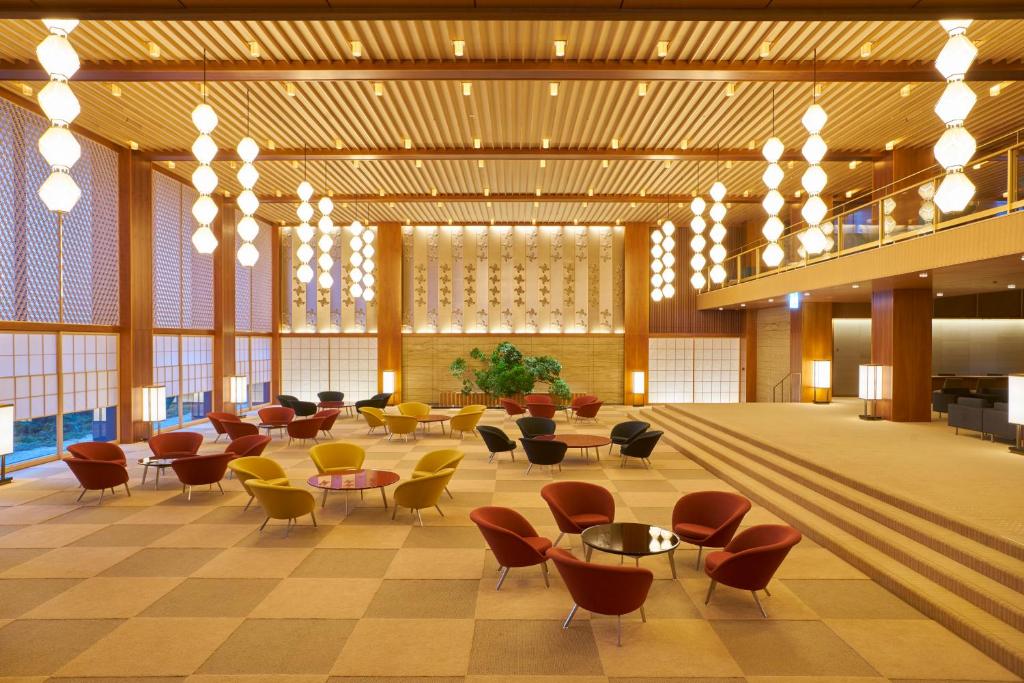
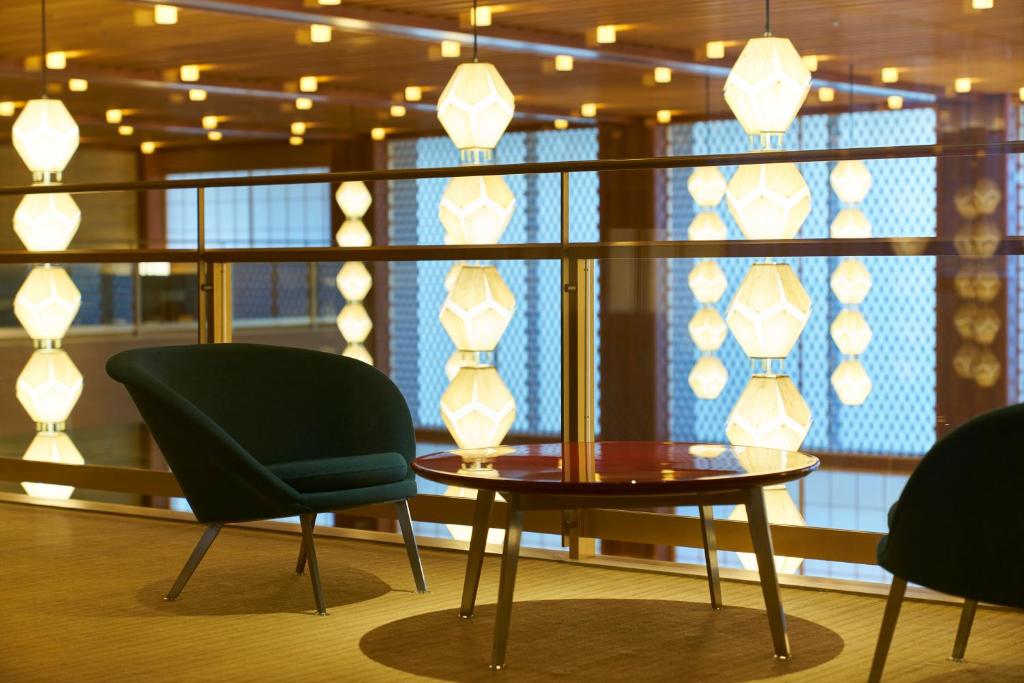
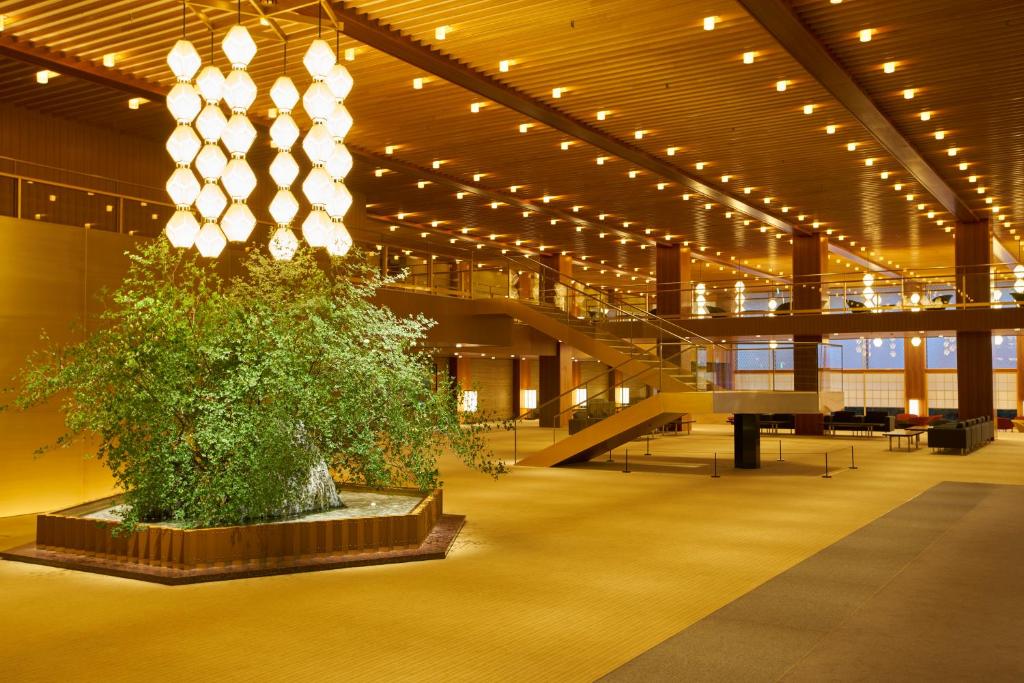
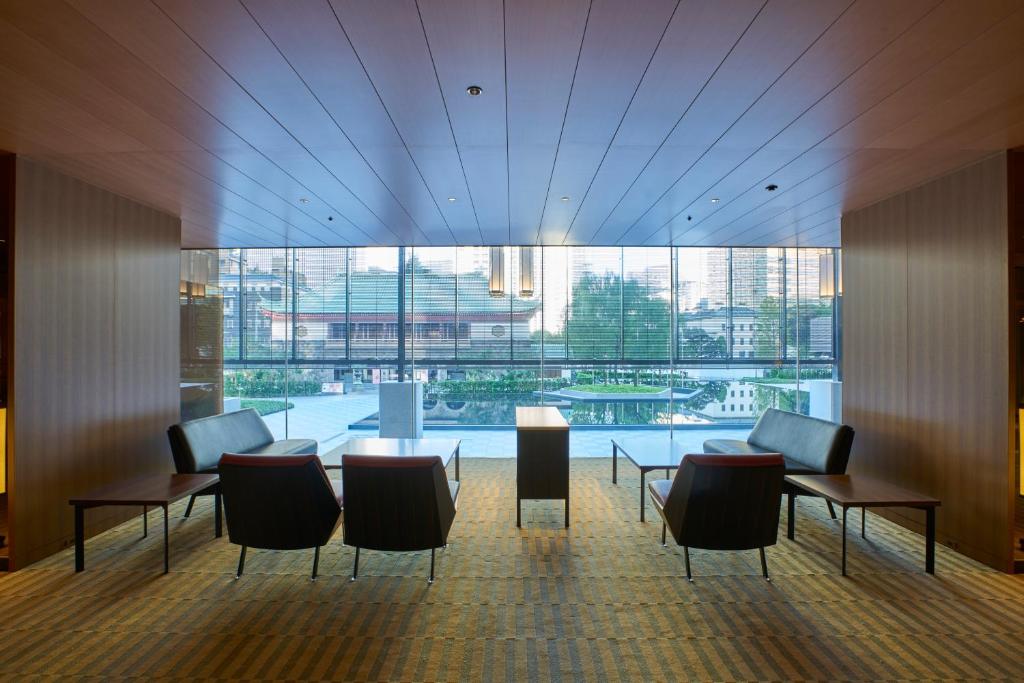
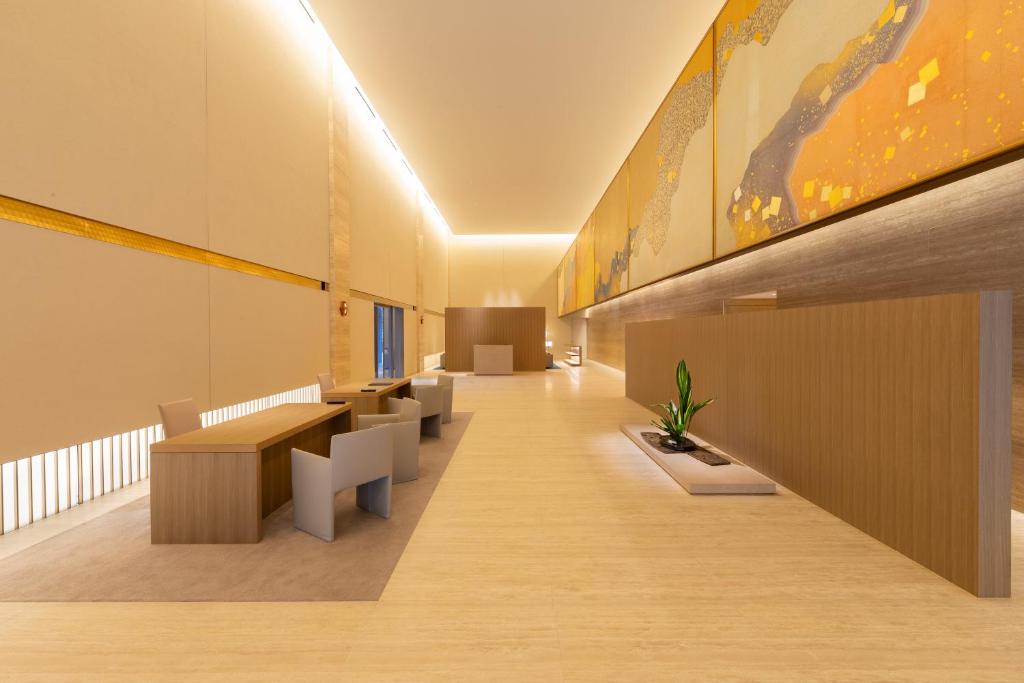
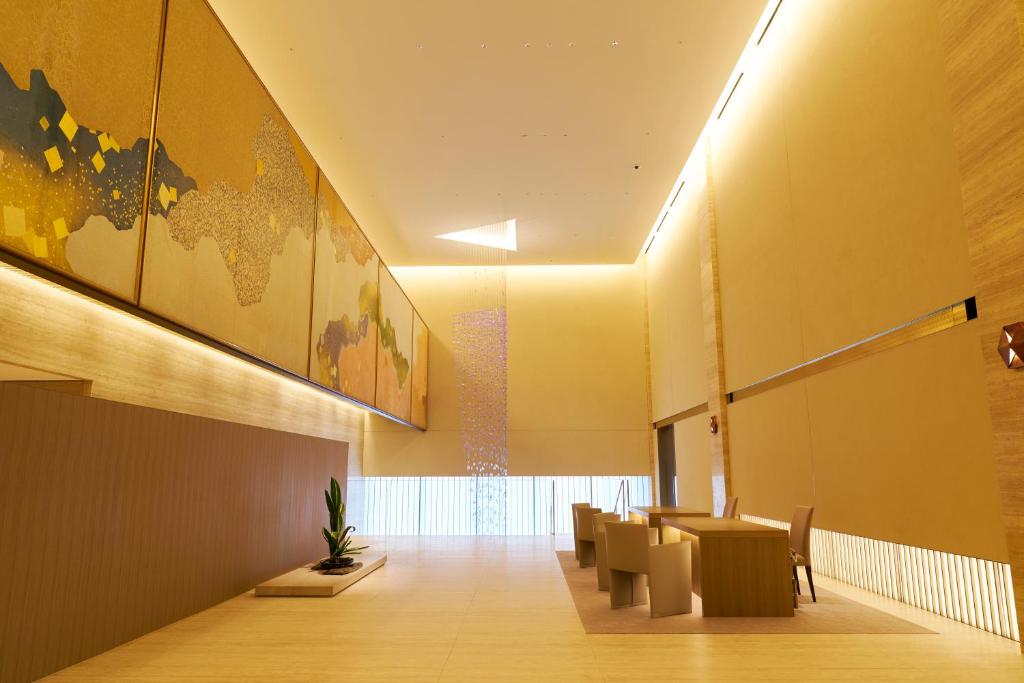
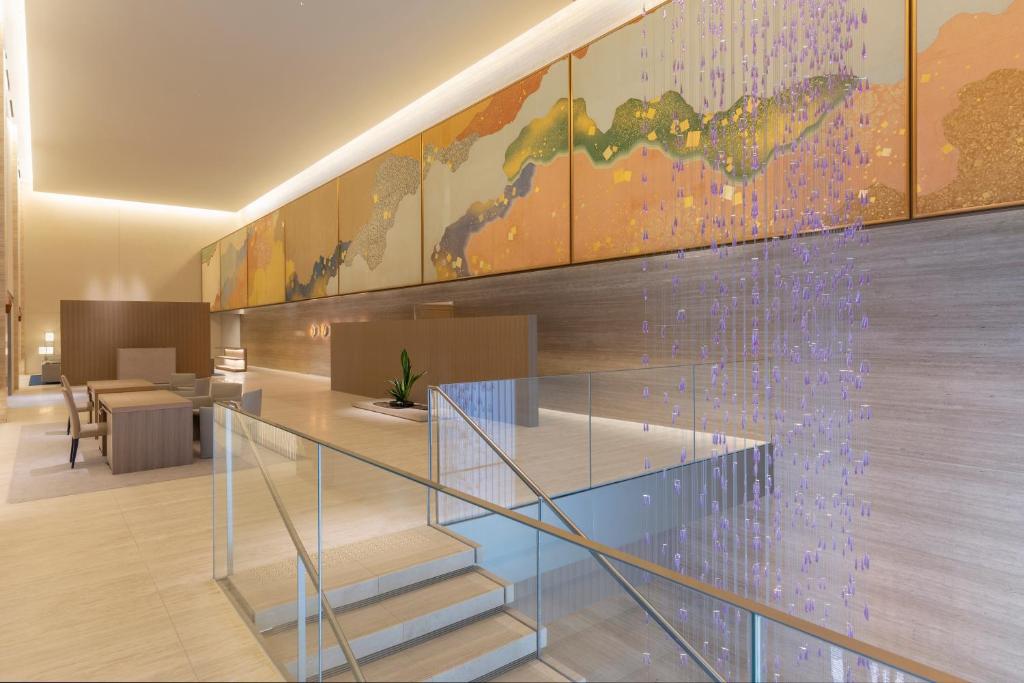
Set the scene The mid-mod lobby is practically a museum dedicated to Japan’s flourish in the 1960s when the whole world witnessed the country’s ascent to the modern global stage. Now the Okura’s at it again, with a phalanx of next-gen businessmen lounging on the lobby’s Eames- and Juhl-inspired furniture. Catering equally to the corporate and casual traveler, suited-up staff never miss an opportunity to serenade guests with an earnest bow and hello.
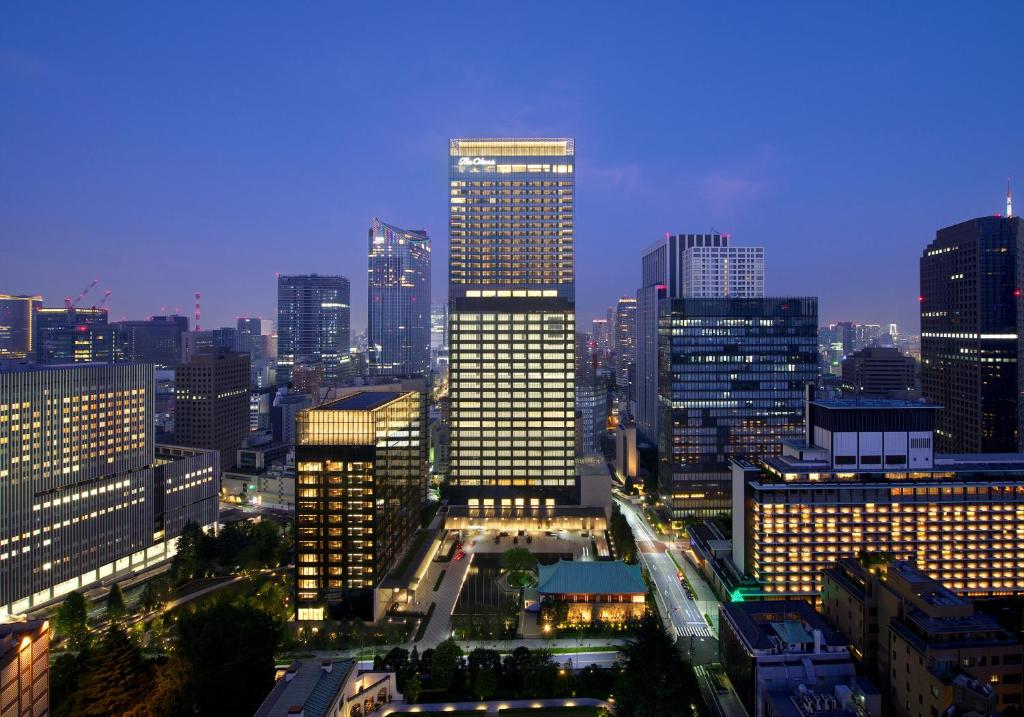
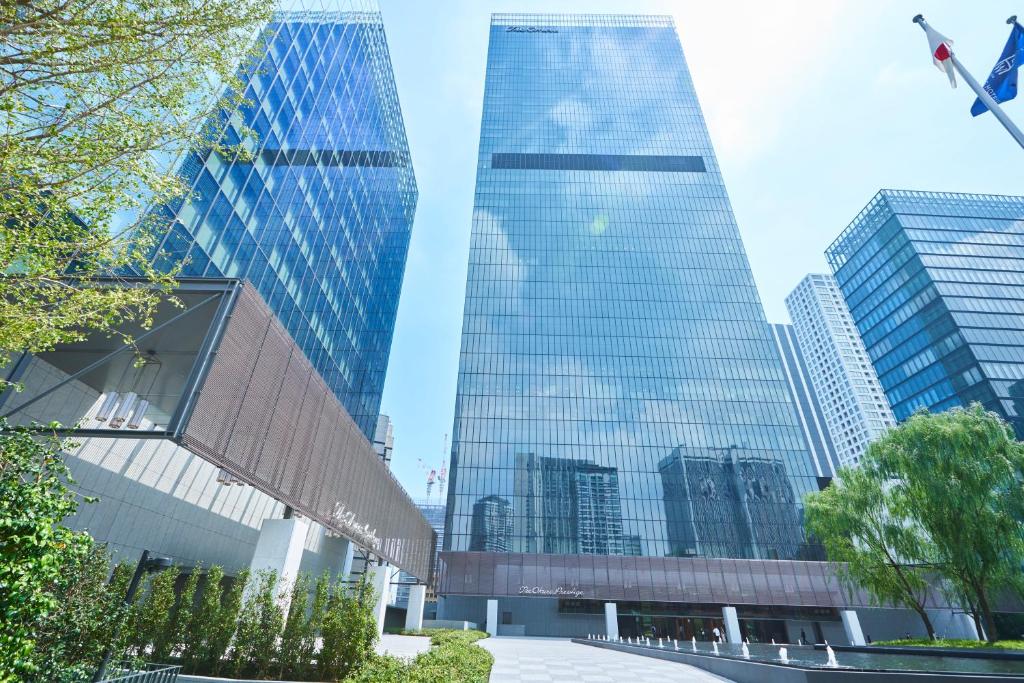
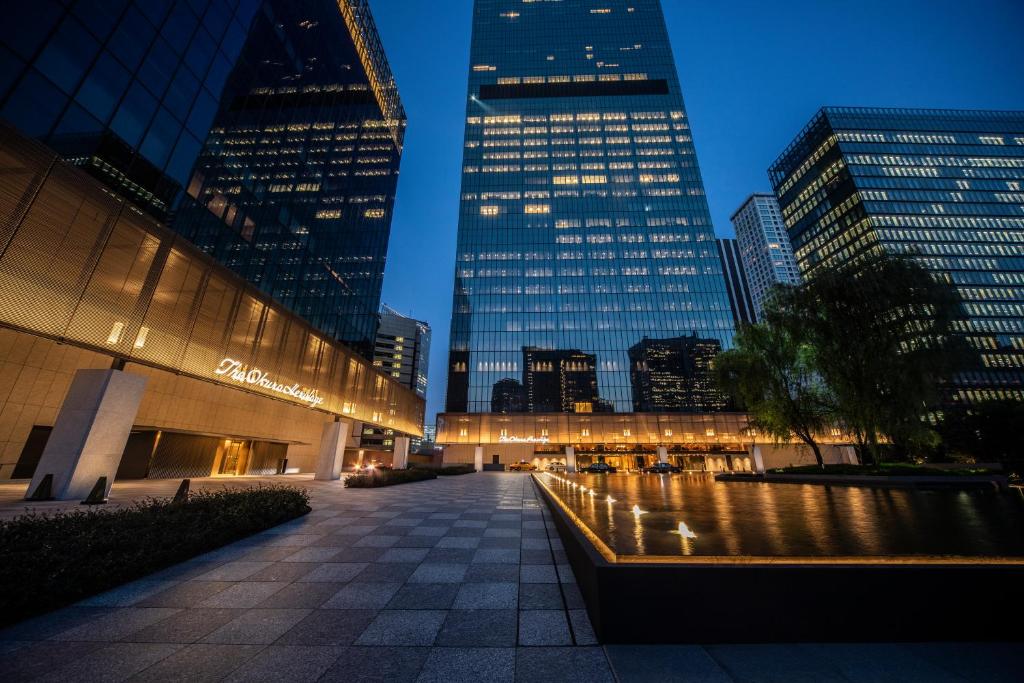
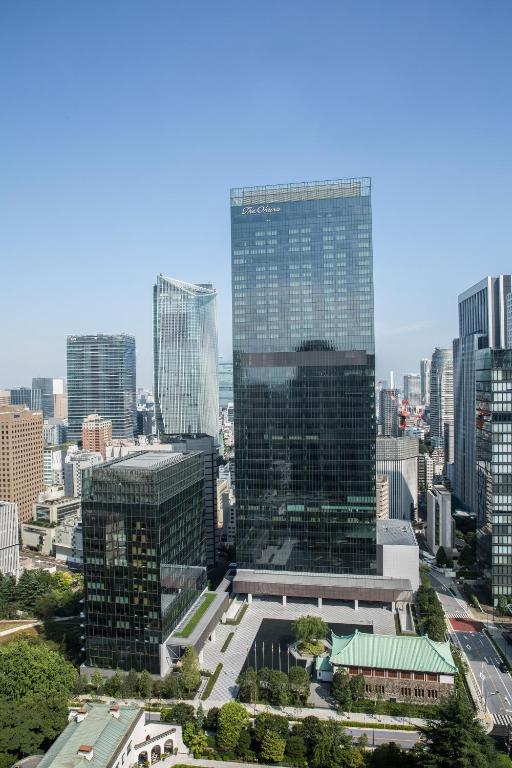
The backstory In the early 1960s, the Okura was one of Tokyo’s premiere hotels that opened to welcome international diplomats and spectators for the 1964 Olympics—the first Games televised around the world. Fifty years later, the Okura, once the paradigm of Tokyo’s bright future, reinvented itself to yet again be the talk of the town. But rather than a renovation, the property was completely demolished (very typical for Tokyo to redo a building instead of remodel it) and transformed into two glittering towers—one for business travelers and the other geared toward leisure visitors.
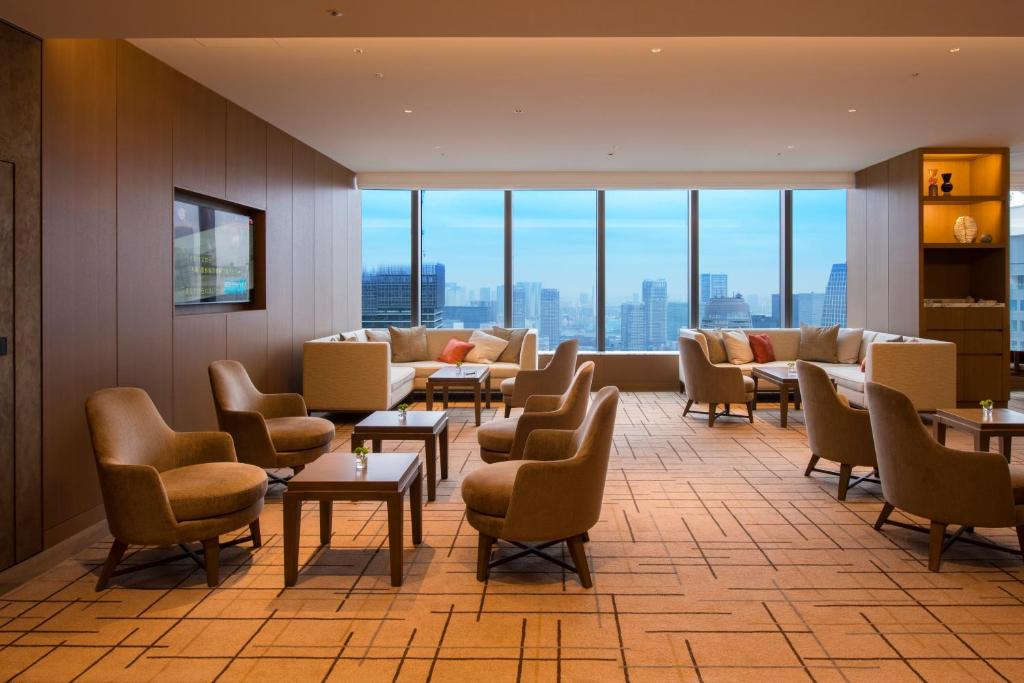
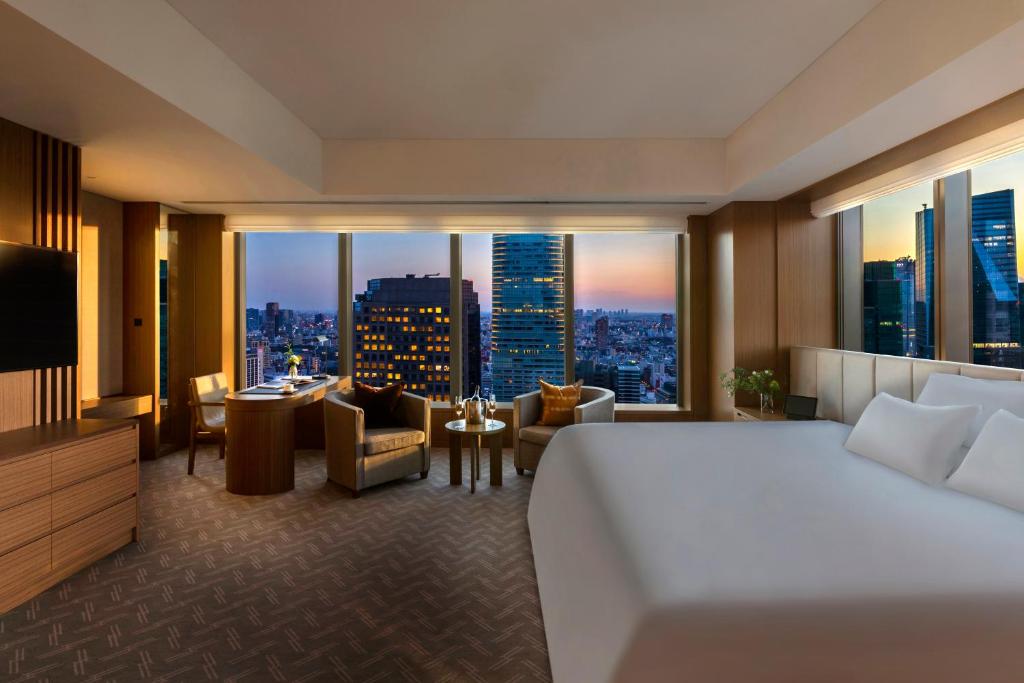
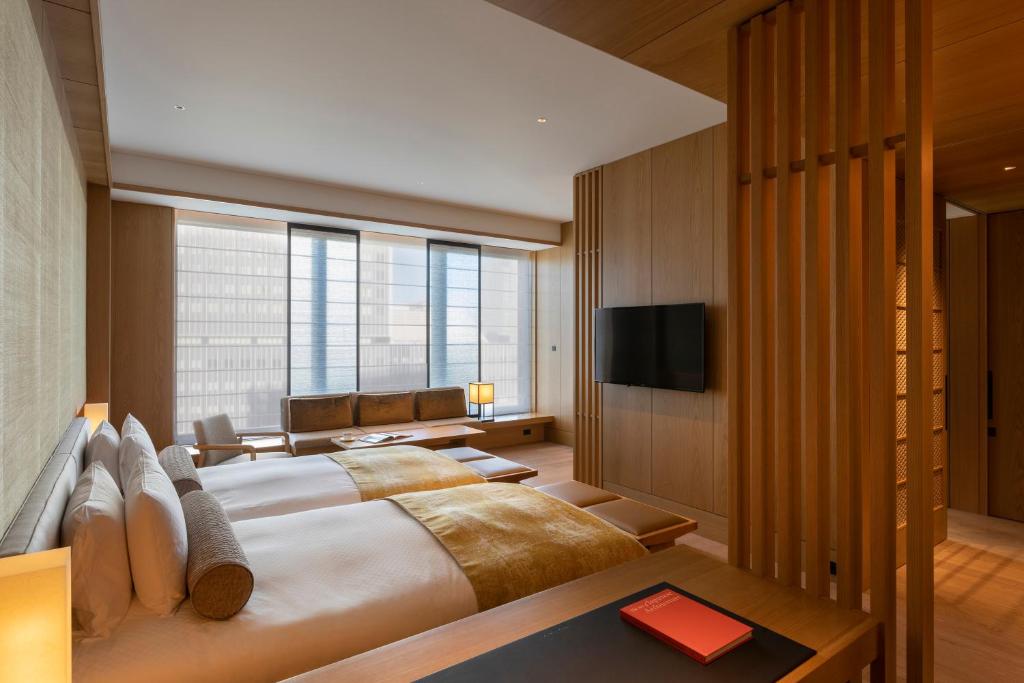
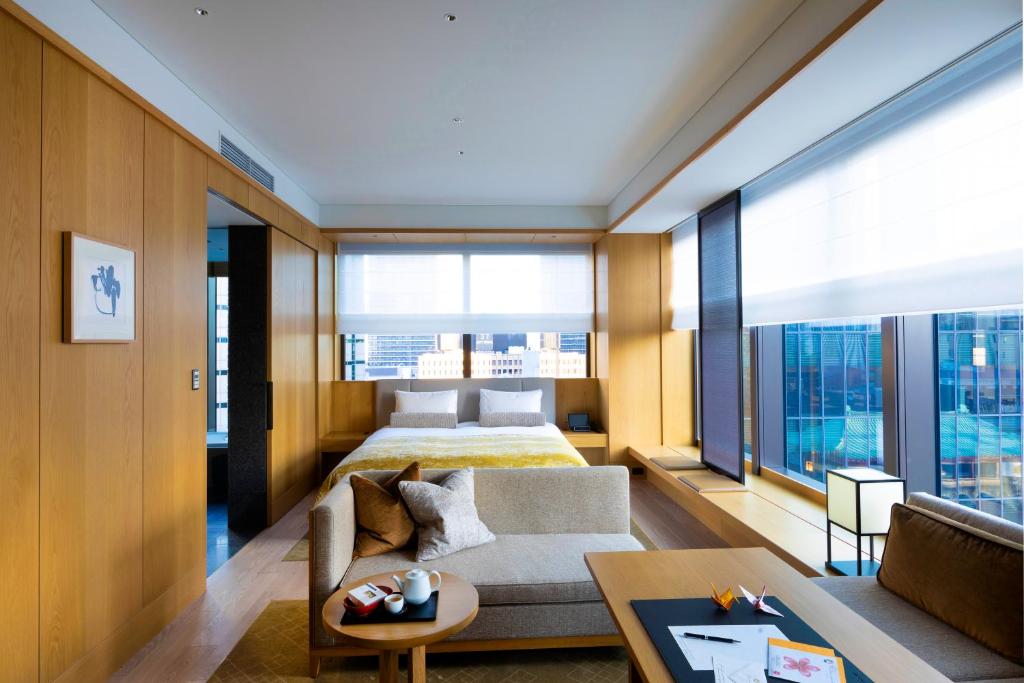
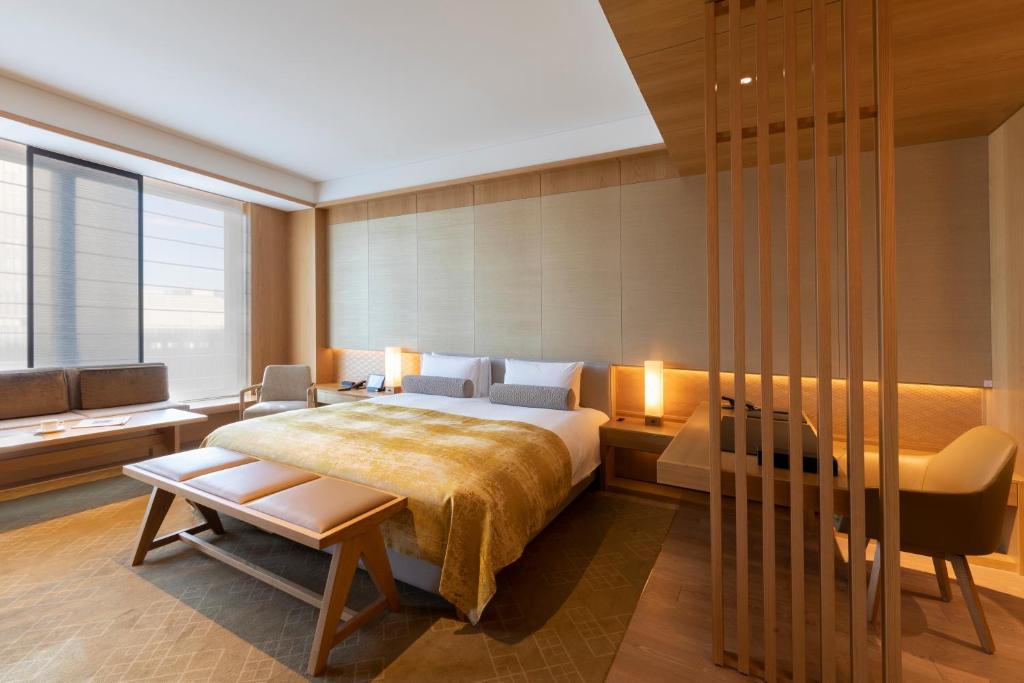
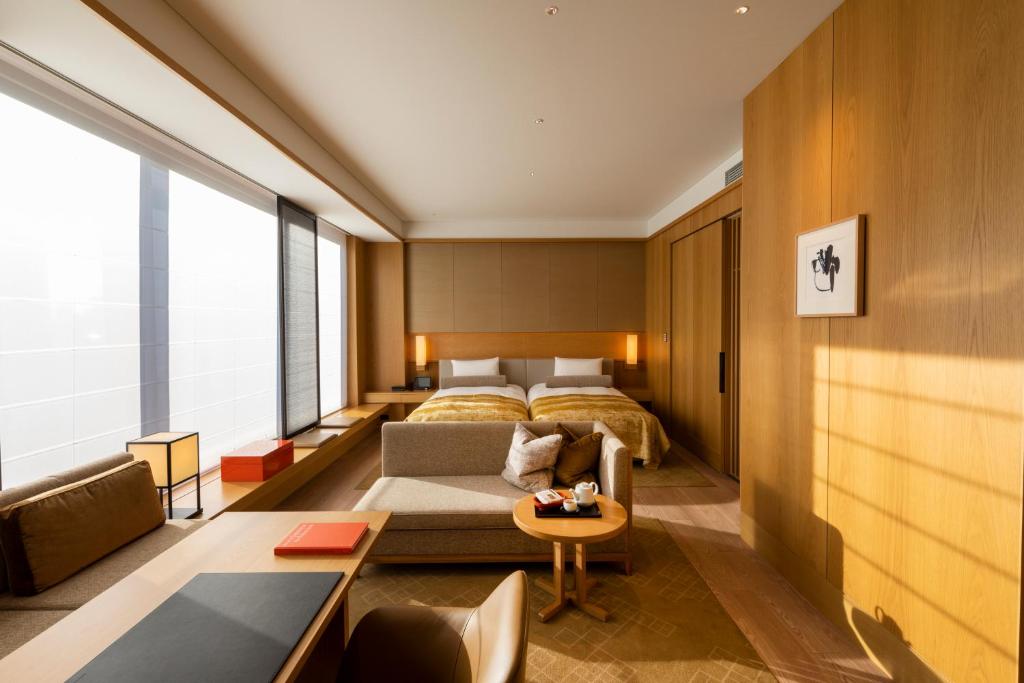
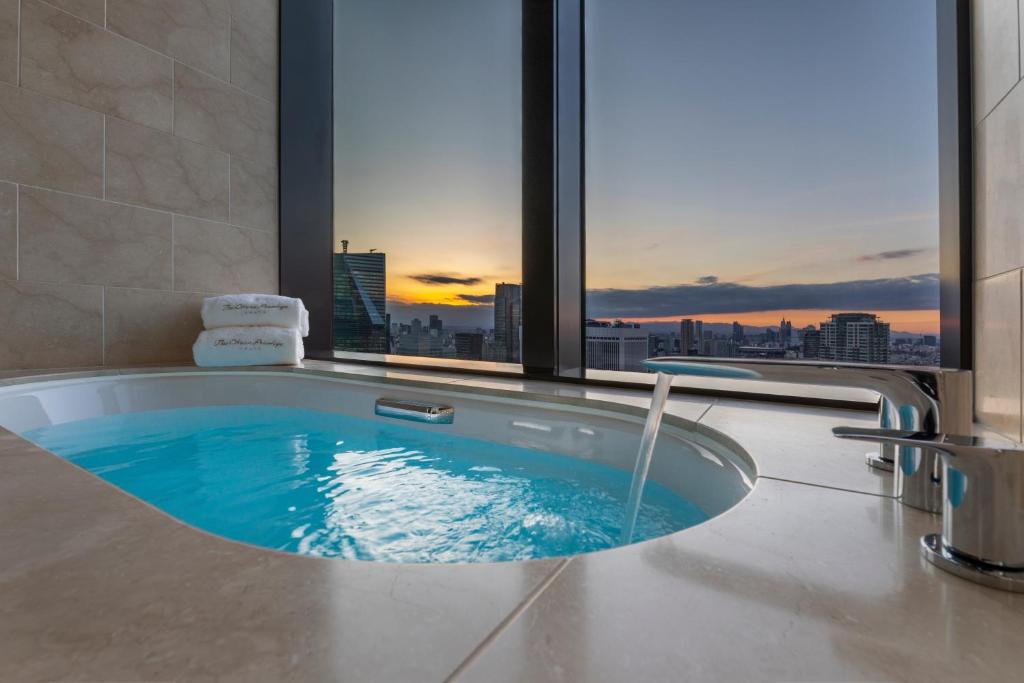
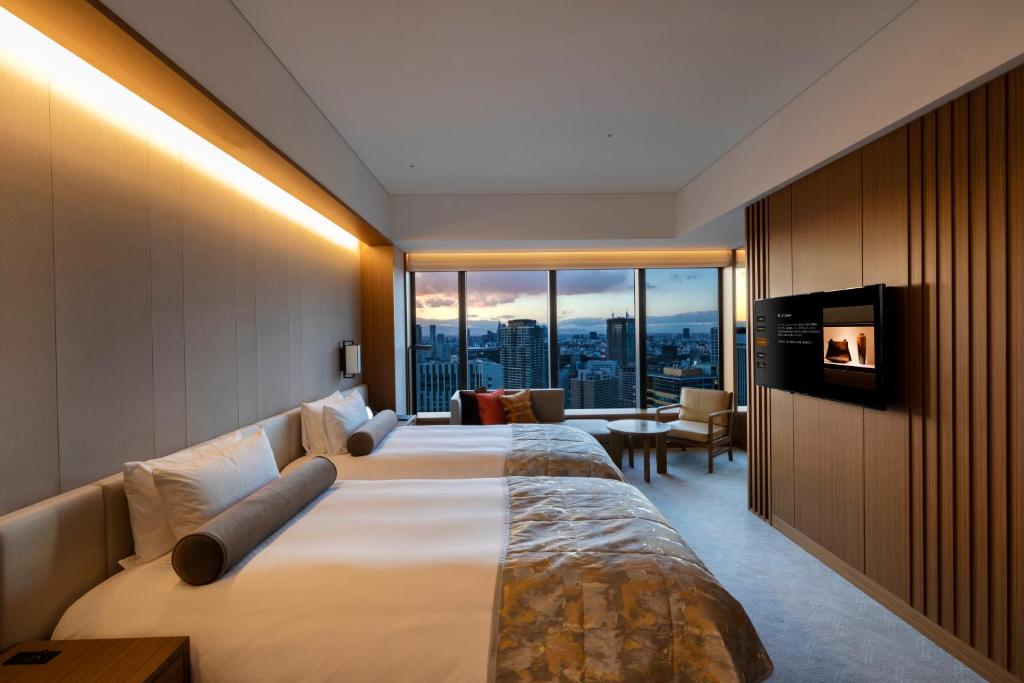
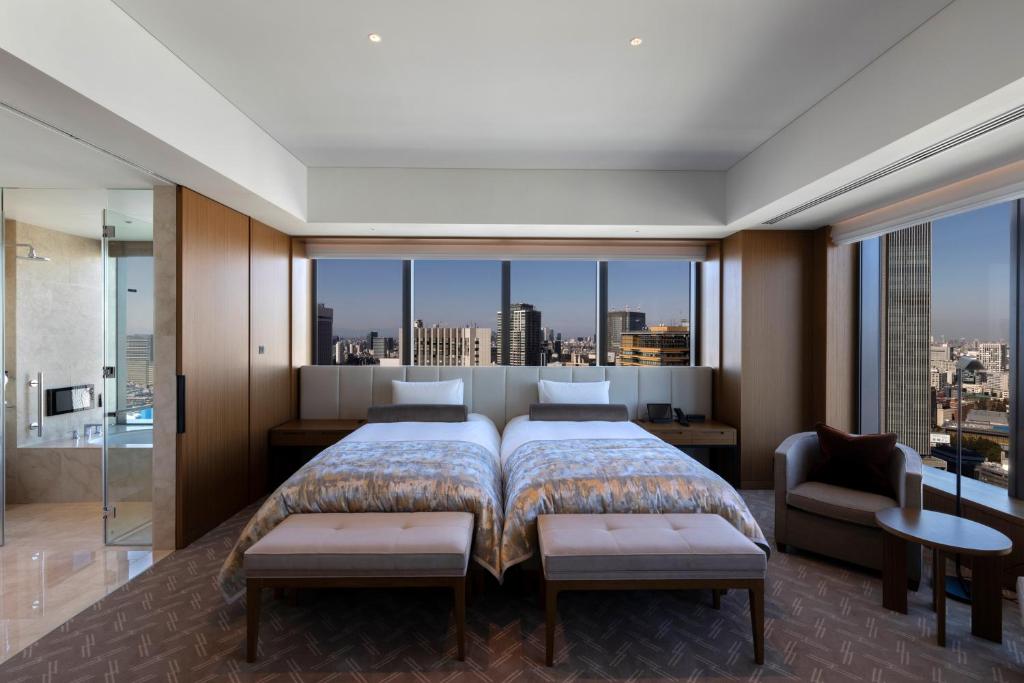
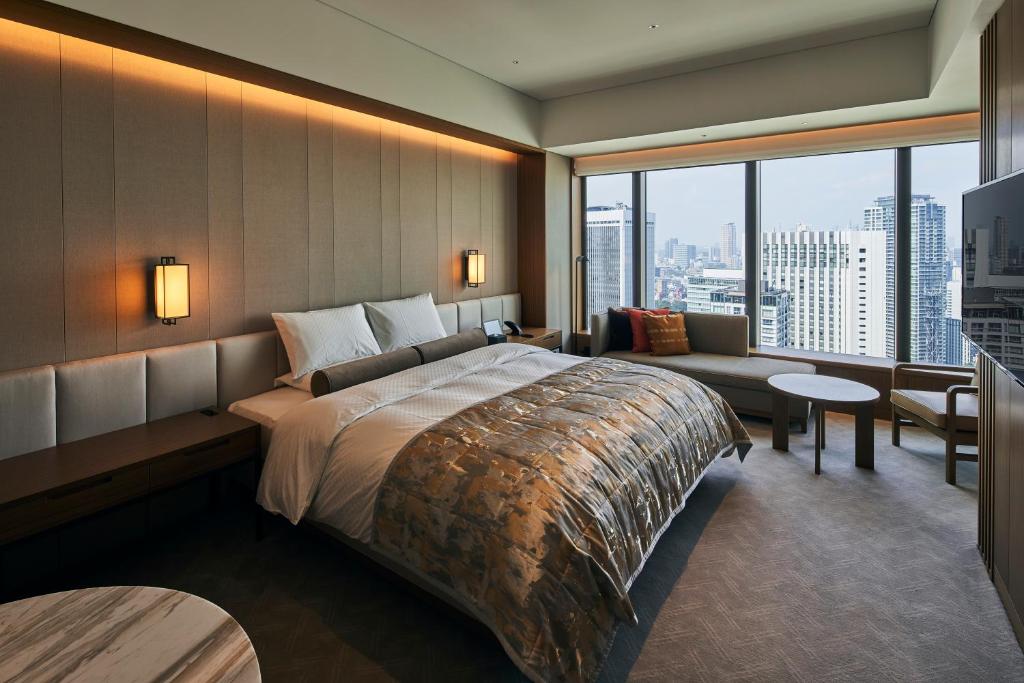
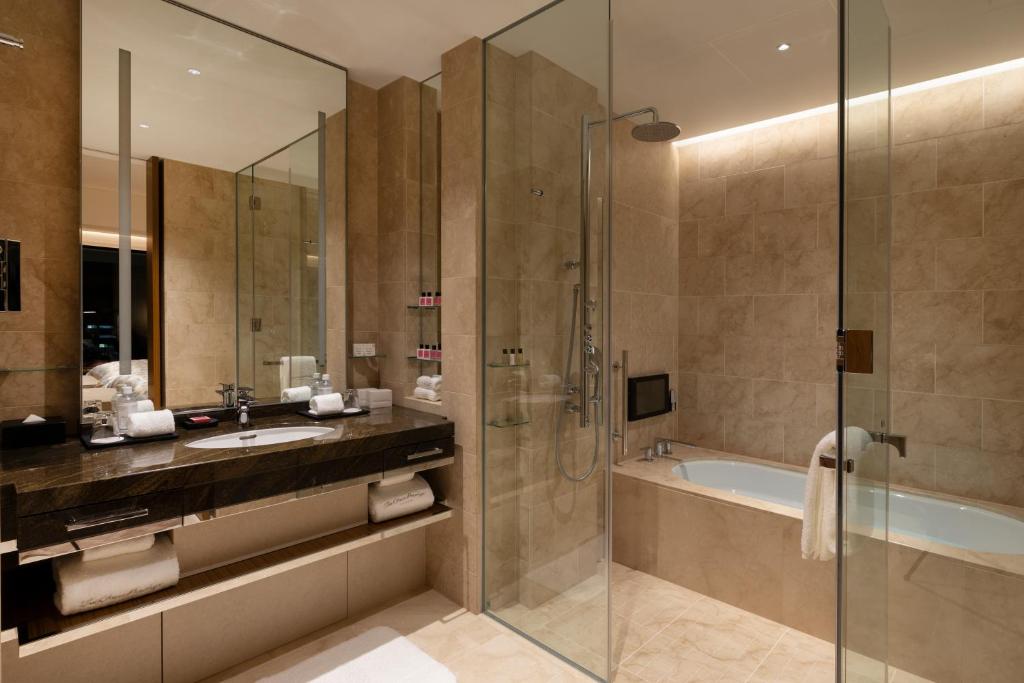
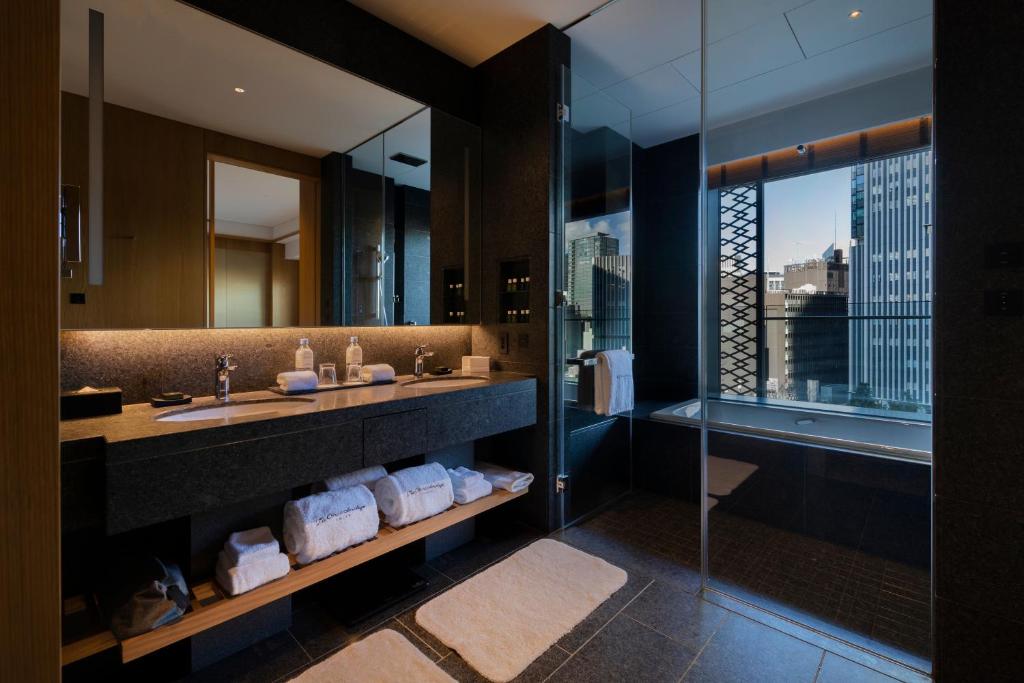
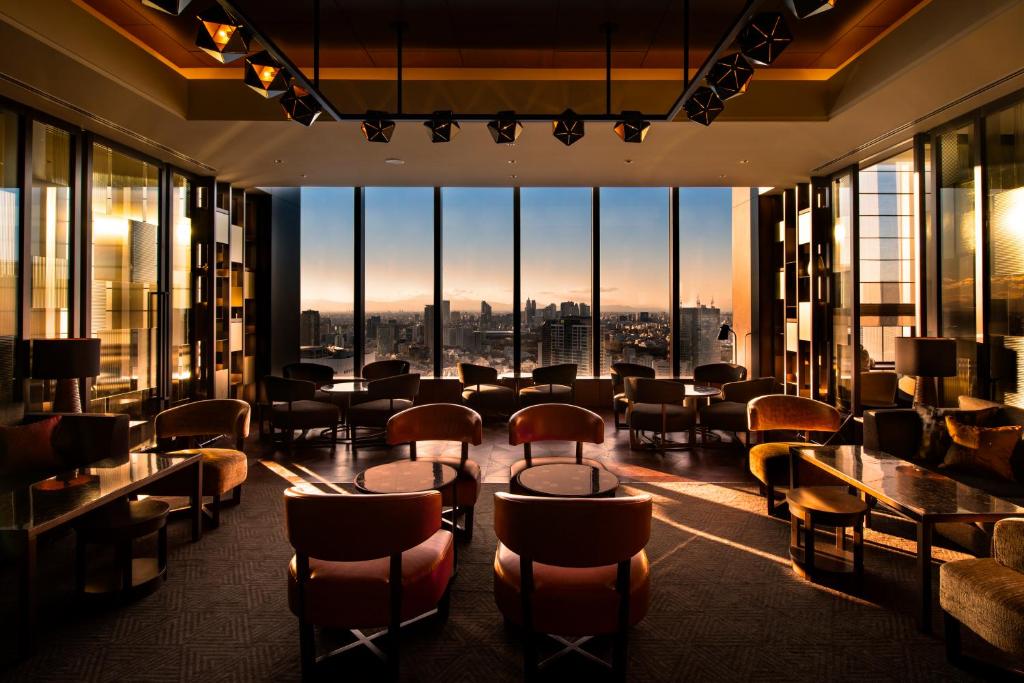
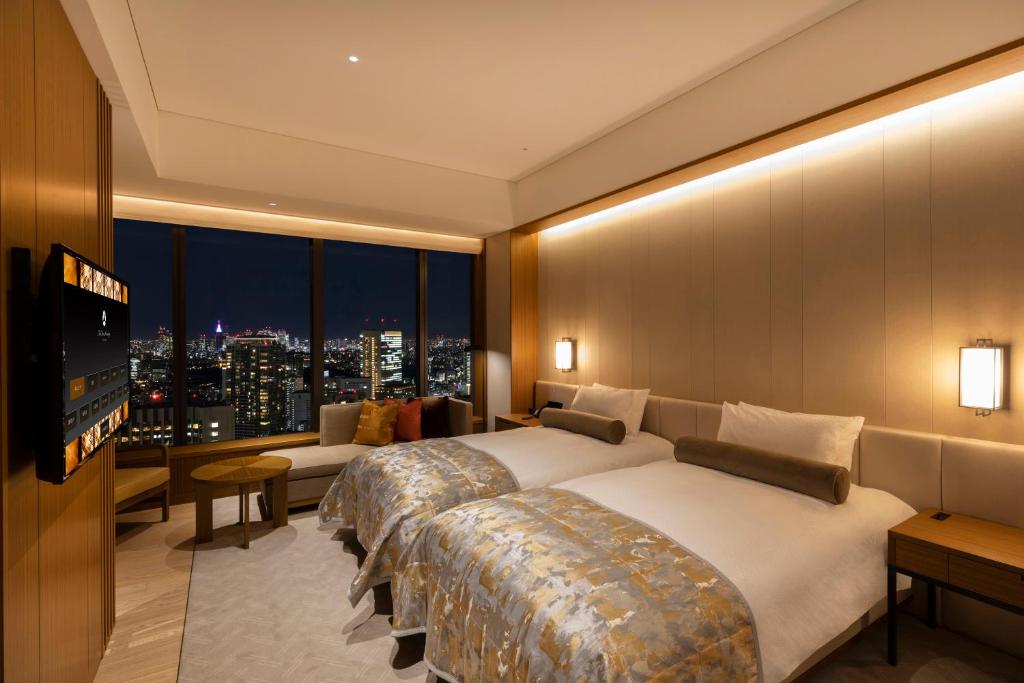
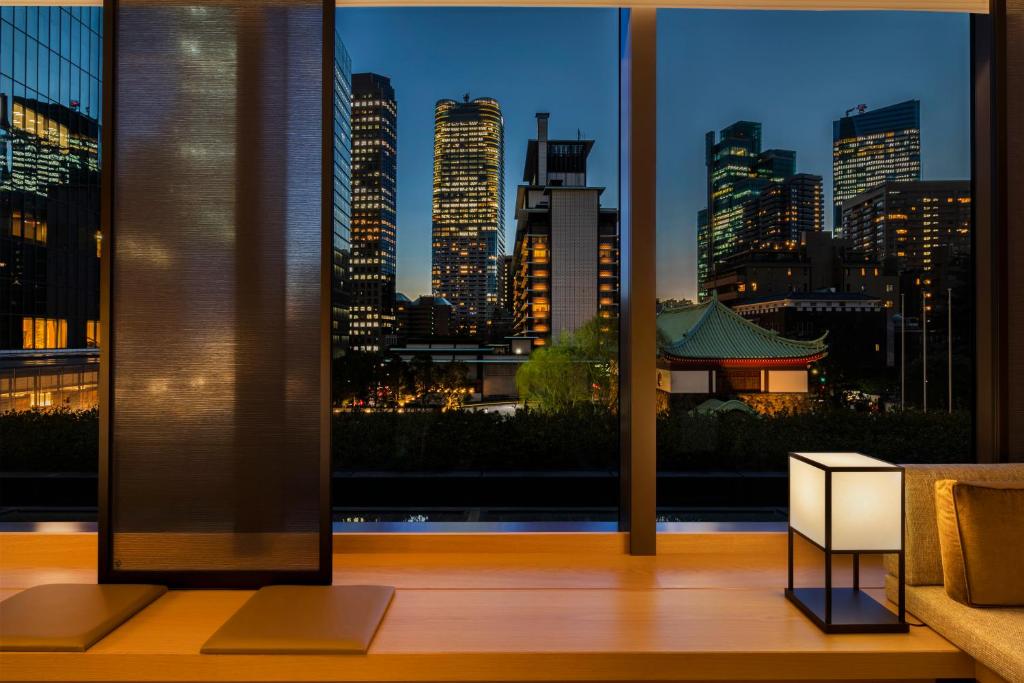
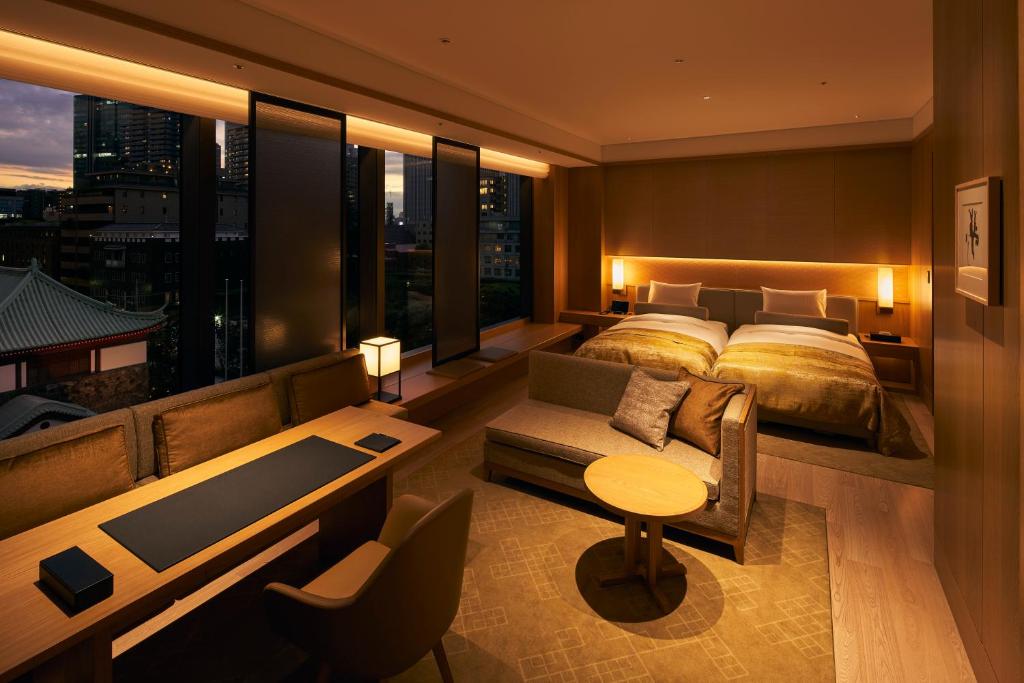
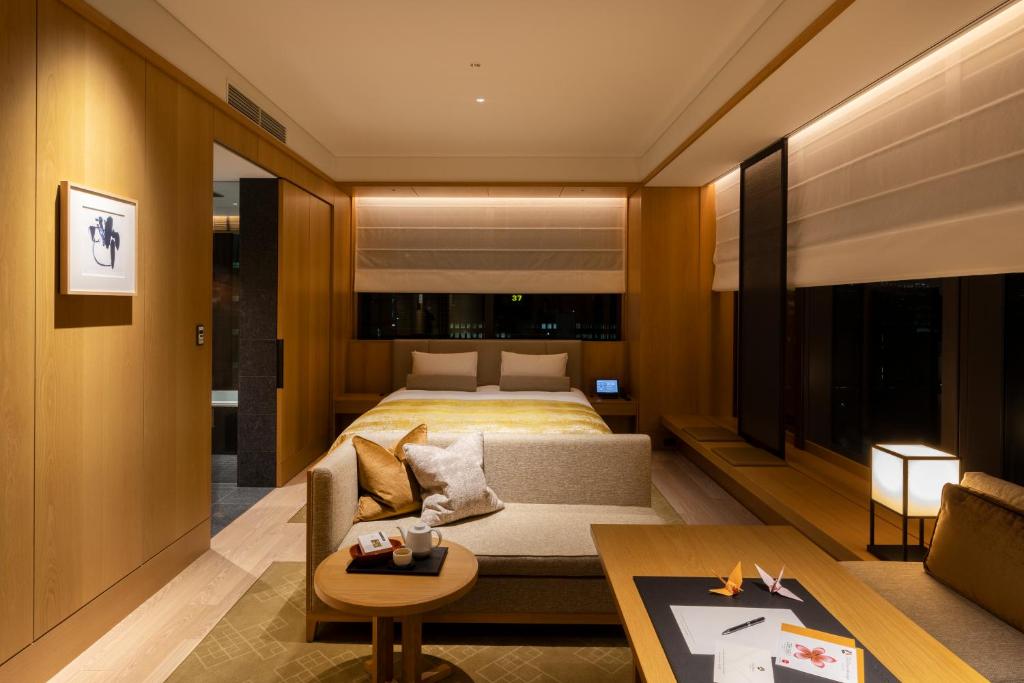
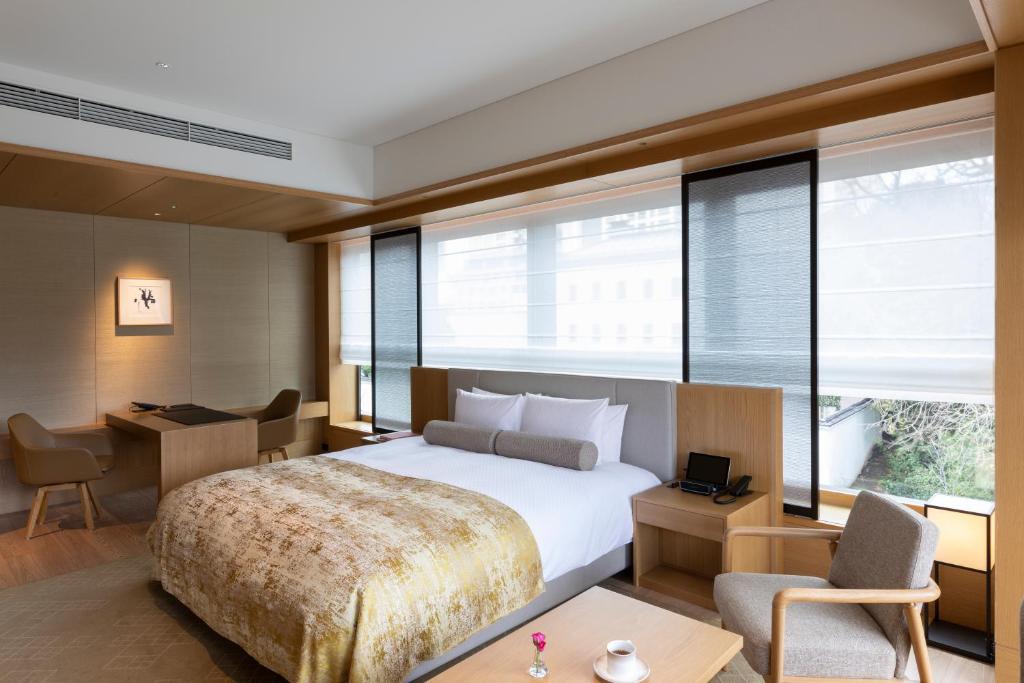
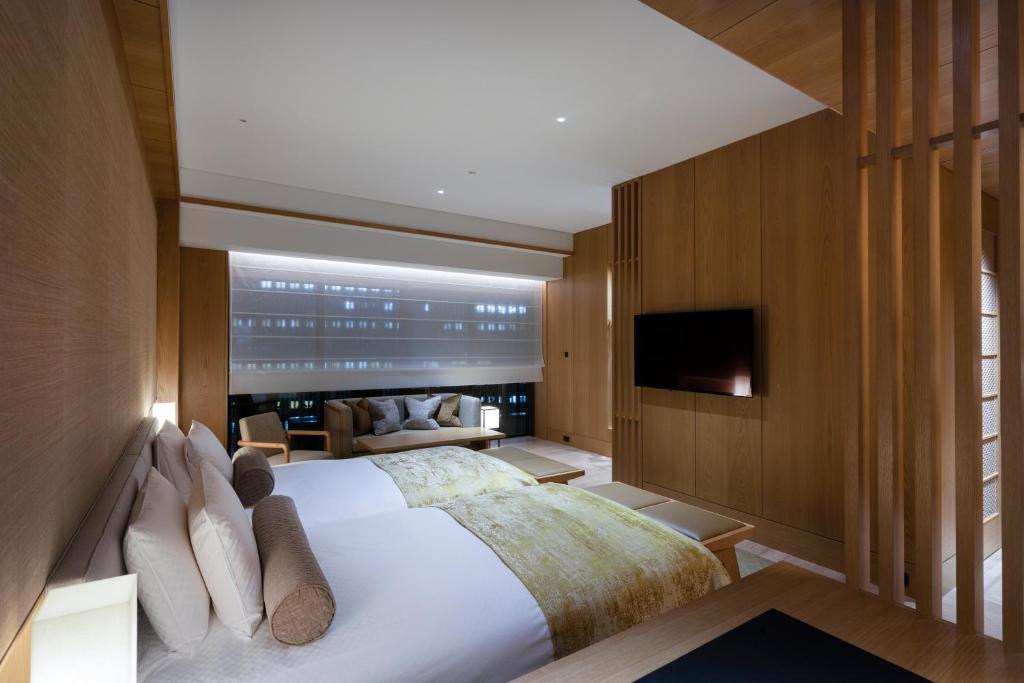
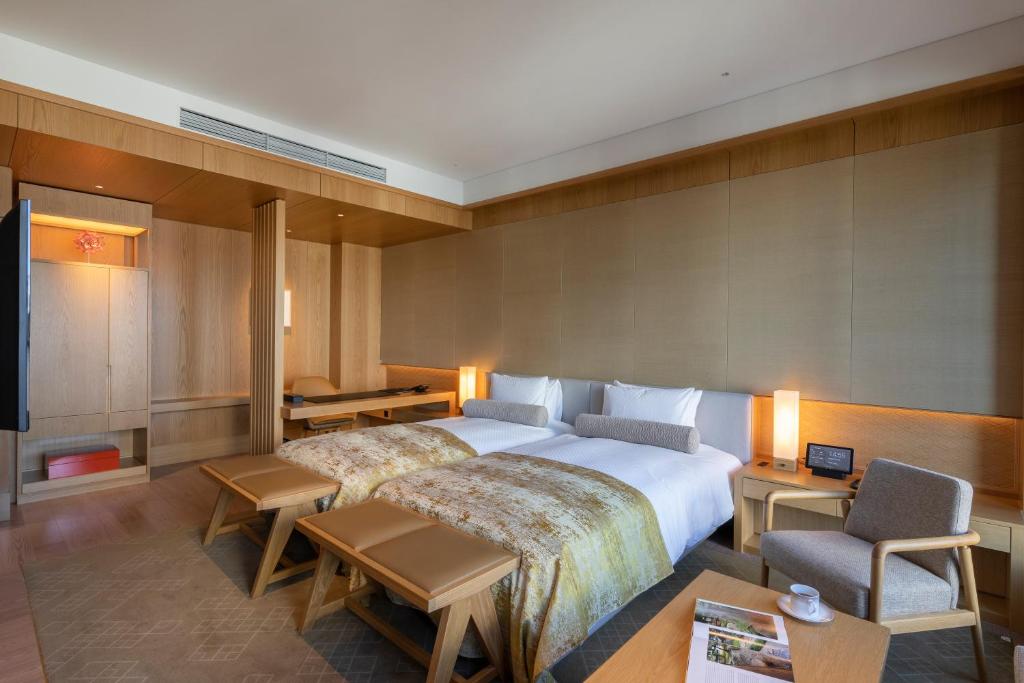
The rooms Rooms are divided into two towers: The lower-slung Heritage Wing targets the leisure traveler in town on holiday—rooms are larger and bathed in warm golden tones on the upholstering and duvets. In the Prestige Tower, high above a stack of office floors, rooms are thinner with the business traveler in mind. Of the two, we were slightly partial to the Prestige Tower rooms as the views across the metropolis can’t be beat, and they’re in closer proximity to the property’s amenities like the Club Lounge and wellness facilities.
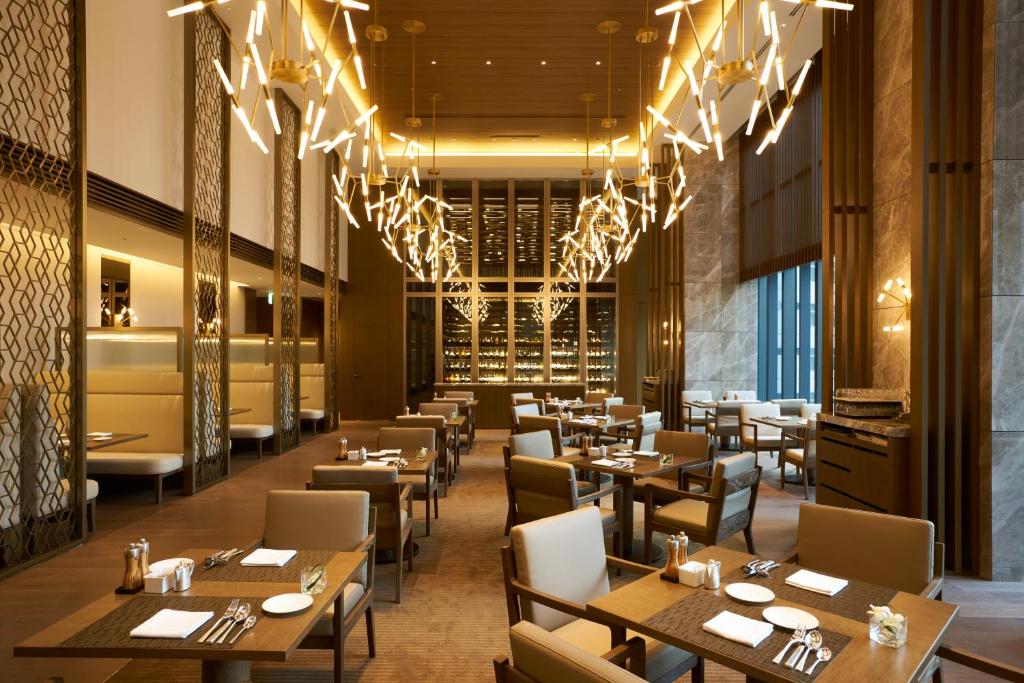
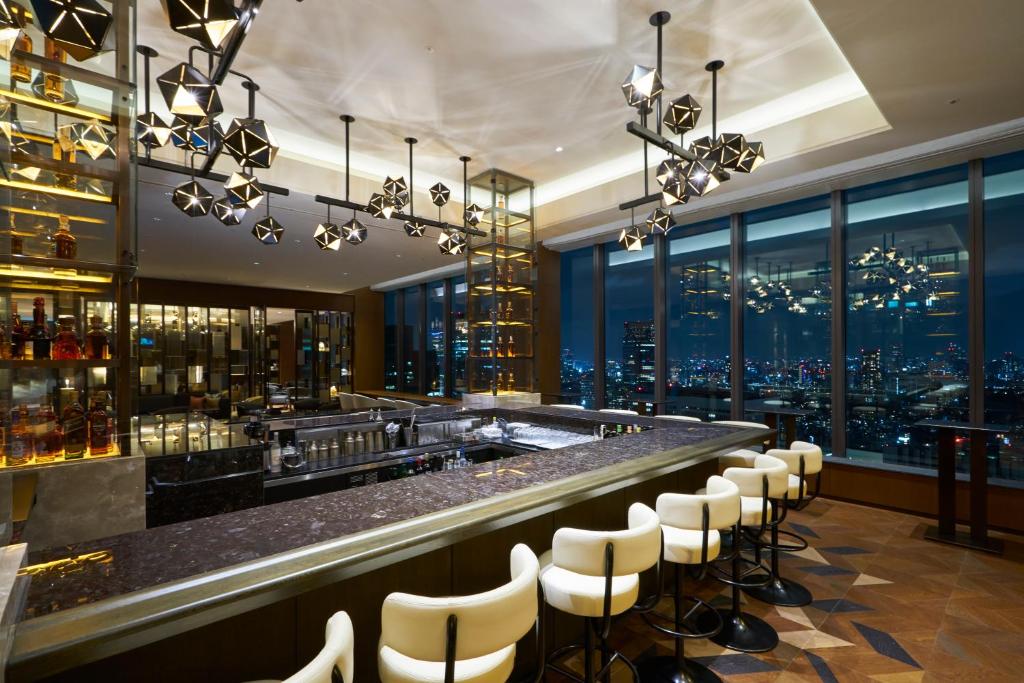
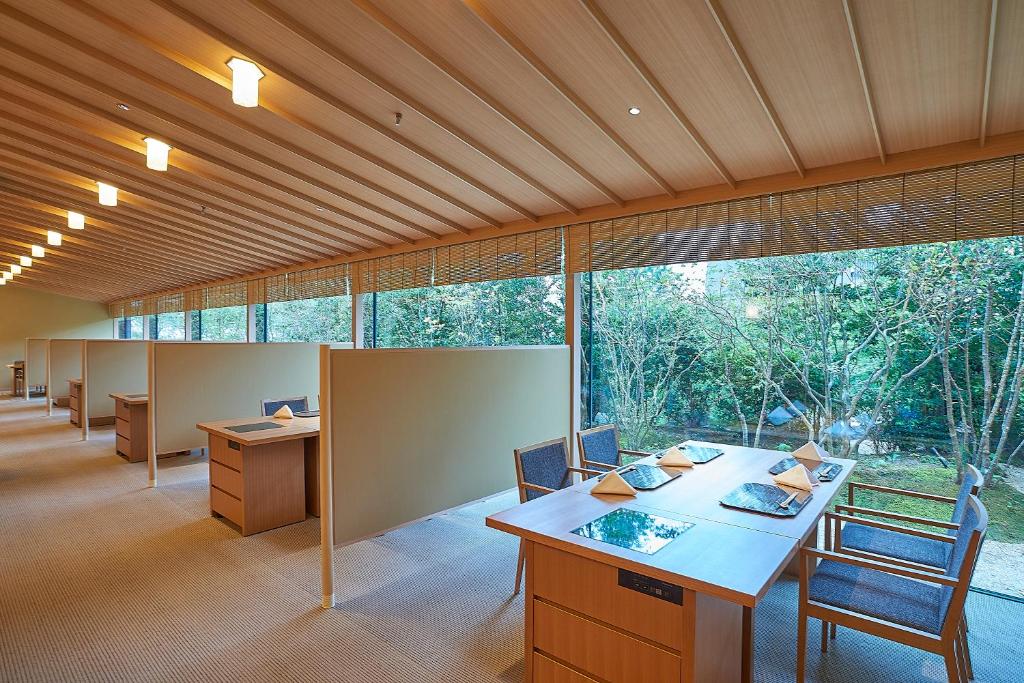
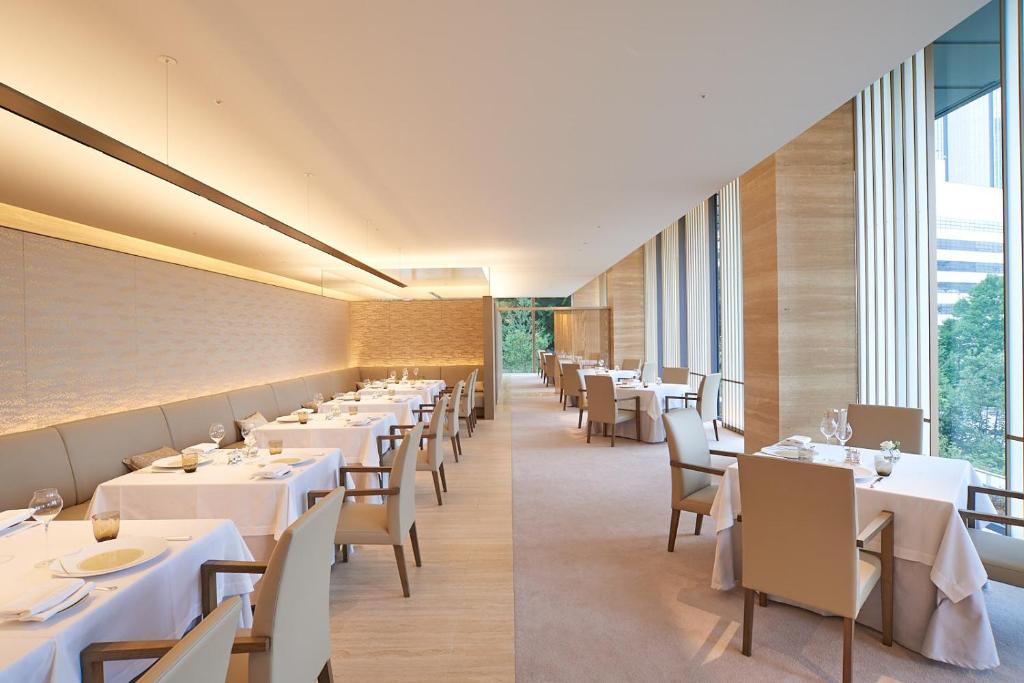
Food and drink Even if you’re not staying on property it’s worth checking out the Okura’s diverse eating options from hallowed kaiseki multi-course meals to more playful teppanyaki options. Fun fact: the hotel lays claim to inventing teppanyaki—hot plate cooking with a pinch of chef acrobatics designed to delight visiting dignitaries during the 1964 Olympics. For a power lunch, there’s Yamazato’s assortment of seasonal and sushi set menus.
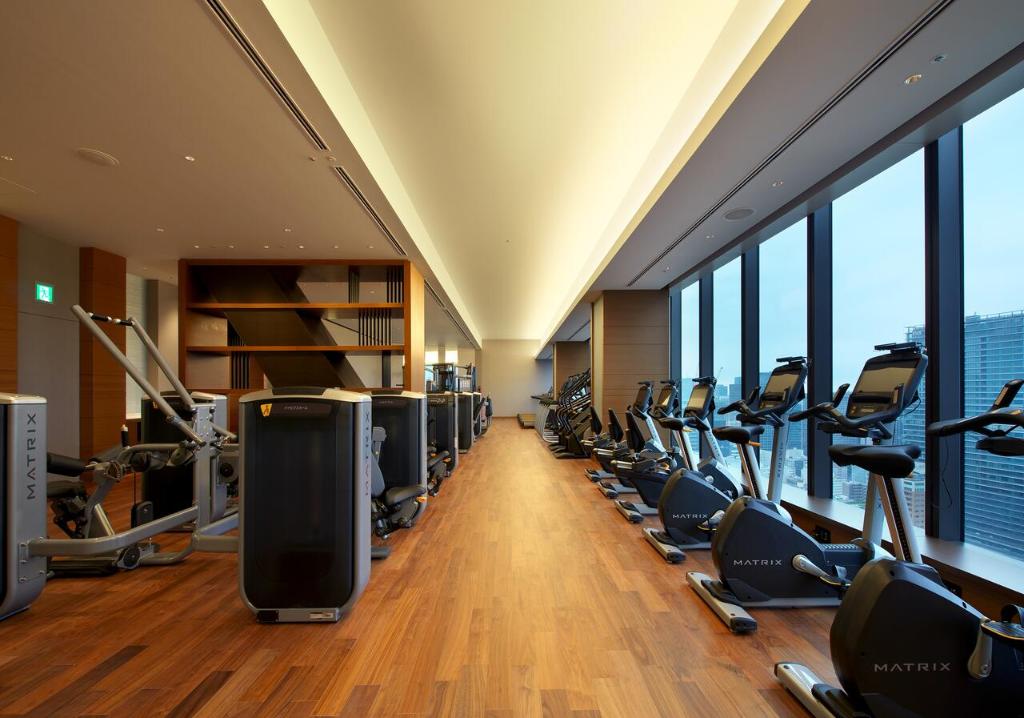
The spa The Okura checks all the wellness boxes: state-of-the-art gym equipment, a capacious indoor swimming pool and a handful of treatment rooms.
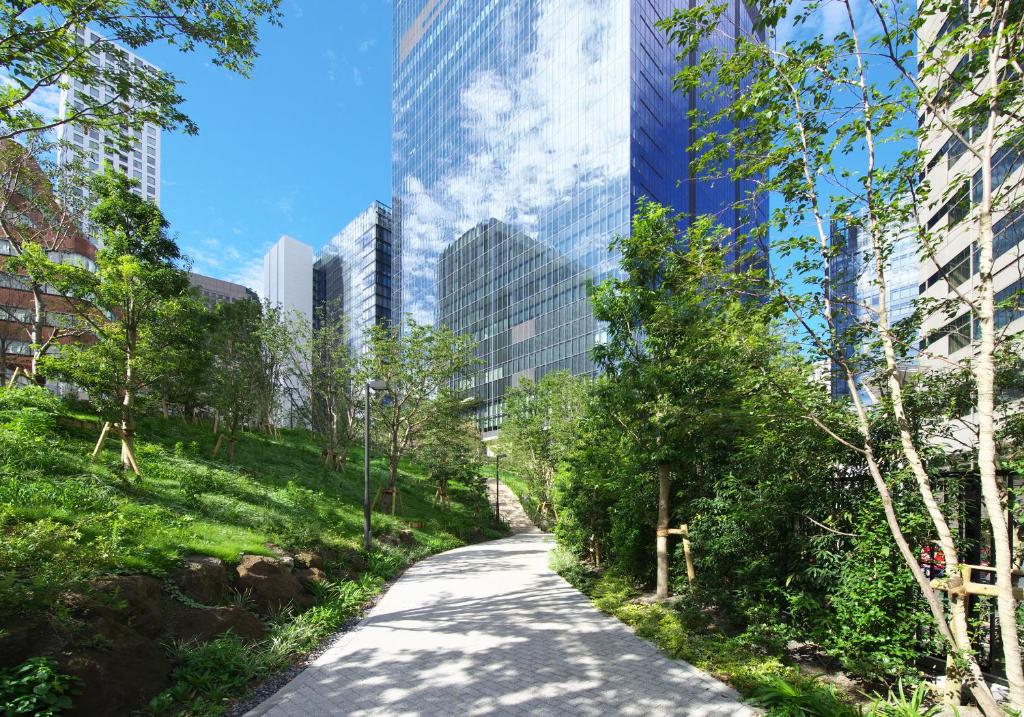
The neighborhood/area The Okura Tokyo offers walking access to a variety of desirable neighborhoods including Roppongi—a favorite among foreigners—and the business-centric Akasaka district.
The service Expect nothing but ultra-polished old-school Japanese hospitality.
2-10-4 Toranomon, Minato-ku, Tokyo, 105-0001
Japan
http://www.hotelokura.co.jp/tokyo/en/
+81 3-3582-0111